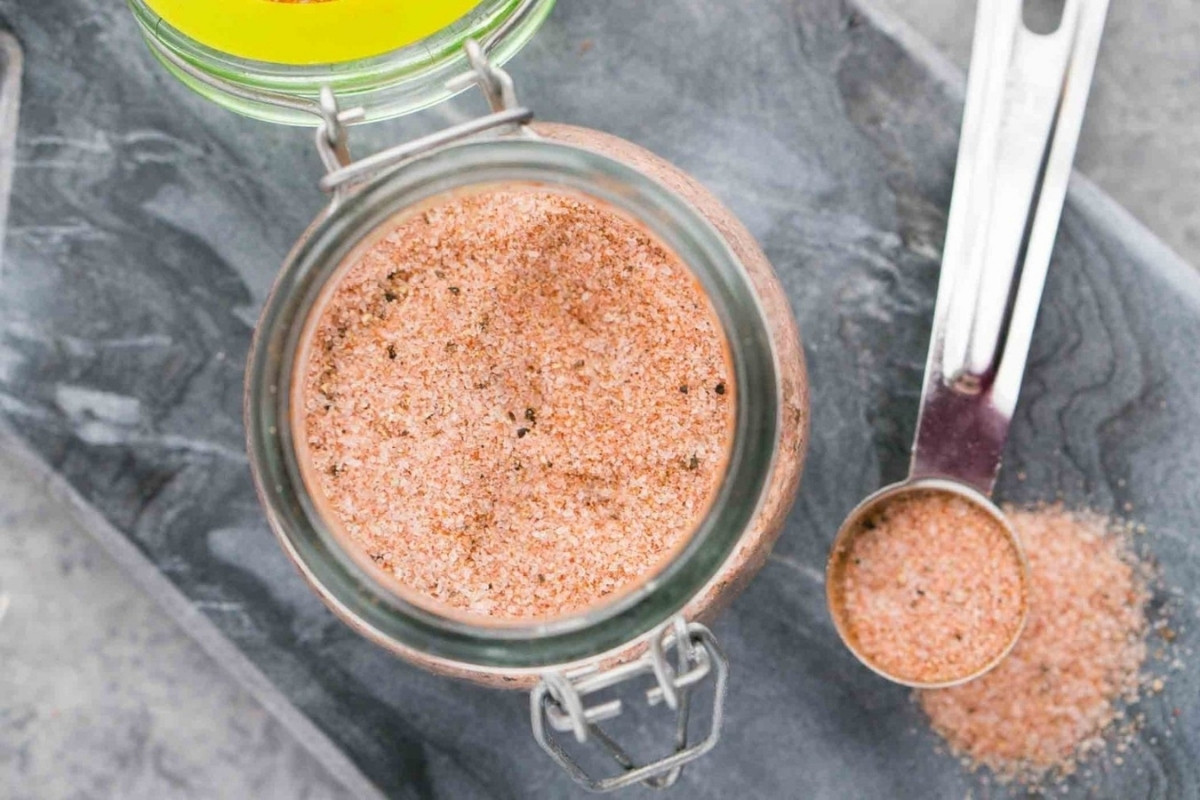
This Italian seasoning blend is a versatile and aromatic mix that can elevate your dishes with the authentic flavors of Italy. Perfect for pasta, pizza, marinades, and more, this homemade blend is easy to make and store.
Some ingredients in this recipe, such as marjoram and sage, might not be common in every household. When visiting the supermarket, look for these dried herbs in the spice aisle. They add unique flavors that are essential for an authentic Italian seasoning blend.
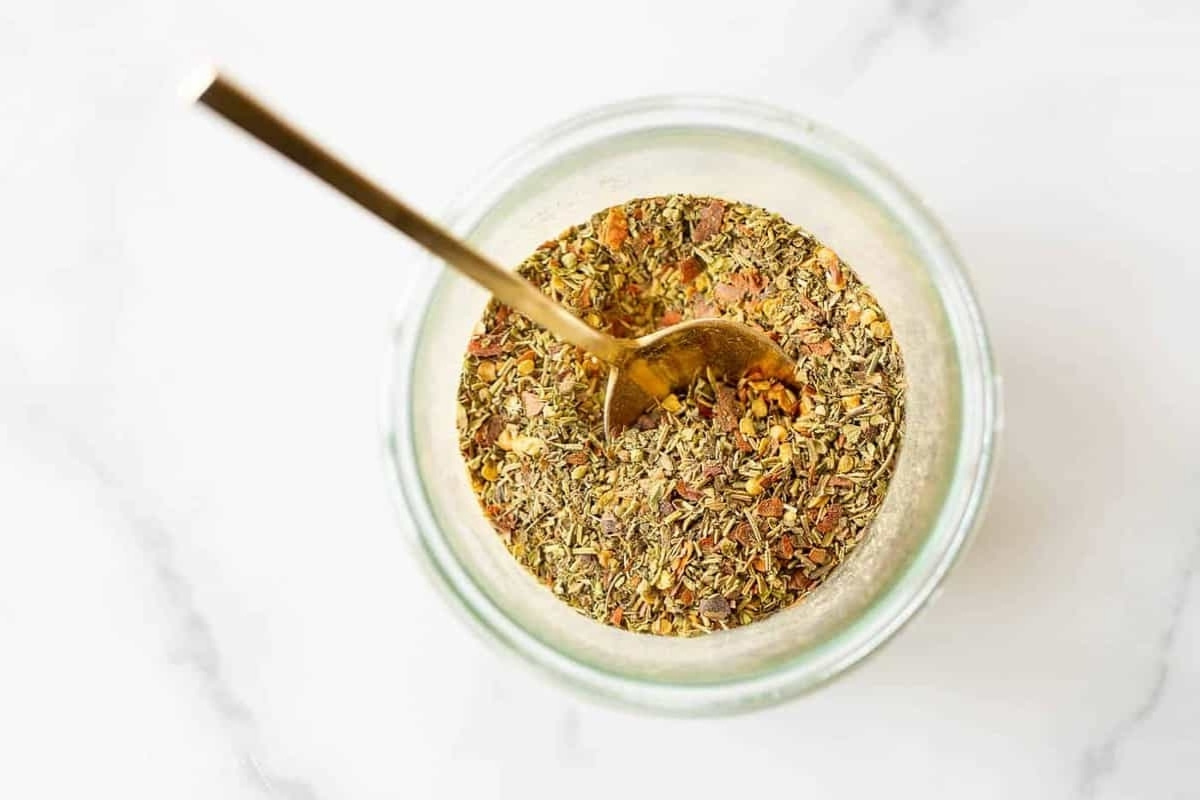
Ingredients for Italian Seasoning Recipe
Basil: A sweet and slightly peppery herb that is a staple in Italian cuisine.
Oregano: Known for its robust and slightly bitter flavor, it is essential in many Italian dishes.
Rosemary: A fragrant herb with a woody taste that adds depth to the seasoning.
Thyme: Offers a subtle earthy flavor that complements other herbs well.
Marjoram: Similar to oregano but milder and sweeter, it adds a delicate touch.
Sage: Provides a slightly peppery flavor with hints of mint and lemon.
Garlic powder: Adds a savory and pungent taste that enhances the overall flavor.
Onion powder: Contributes a sweet and slightly sharp flavor.
Red pepper flakes: Optional, but adds a spicy kick to the seasoning.
Technique Tip for Making This Seasoning
When preparing this Italian seasoning blend, consider lightly crushing the dried herbs between your fingers before mixing. This releases their essential oils, enhancing the overall flavor profile. Additionally, if you prefer a finer texture, you can pulse the mixture in a spice grinder or mortar and pestle for a few seconds. This technique ensures a more uniform distribution of flavors in your dishes.
Suggested Side Dishes
Alternative Ingredients
dried basil - Substitute with dried parsley: While it has a milder flavor, dried parsley can add a fresh, slightly peppery note similar to basil.
dried oregano - Substitute with dried marjoram: Marjoram is a close relative to oregano with a slightly sweeter and milder taste.
dried rosemary - Substitute with dried thyme: Thyme has a similar earthy and slightly minty flavor, making it a good stand-in for rosemary.
dried thyme - Substitute with dried savory: Savory has a peppery flavor that is somewhat similar to thyme, though a bit more robust.
dried marjoram - Substitute with dried oregano: Oregano is a bit stronger but shares a similar flavor profile with marjoram.
dried sage - Substitute with dried savory: Savory can mimic the earthy and slightly peppery taste of sage.
garlic powder - Substitute with granulated garlic: Granulated garlic has a similar flavor but a slightly coarser texture.
onion powder - Substitute with granulated onion: Granulated onion provides a similar flavor with a slightly different texture.
red pepper flakes - Substitute with cayenne pepper: Cayenne pepper can add a similar level of heat, though it is more finely ground.
Other Alternative Recipes Similar to This Seasoning
How To Store / Freeze Your Seasoning Blend
- Ensure your Italian seasoning is stored in a cool, dark place. Exposure to light and heat can degrade the potency of the herbs and spices.
- Use an airtight container to keep your seasoning fresh. Mason jars, spice jars with tight-fitting lids, or even resealable plastic bags work well.
- Label your container with the date you made the seasoning. This helps you keep track of its freshness. While dried herbs and spices don't spoil, they do lose their flavor over time.
- For optimal flavor, try to use your Italian seasoning within six months. After this period, the herbs may start to lose their vibrant taste.
- If you want to extend the shelf life, consider storing the seasoning in the freezer. Place the airtight container in the freezer, and it can last up to a year without significant loss of flavor.
- When using frozen seasoning, there's no need to thaw it. Simply measure out the amount you need and add it directly to your soups, stews, or meat dishes.
- Avoid storing your seasoning near the stove or other heat sources. The constant temperature changes can cause condensation inside the container, which can lead to clumping or mold growth.
- Keep the seasoning away from moisture. Always use a dry spoon when scooping out the seasoning to prevent introducing any moisture into the container.
- If you notice any changes in color, smell, or texture, it might be time to make a fresh batch. Freshness is key to achieving the best flavor in your Italian dishes.
- Regularly check your pantry for any expired or old spices and herbs. Keeping your spice collection fresh ensures that every dish you make is bursting with flavor.
How To Reheat Leftovers
- For a quick and easy method, sprinkle the Italian seasoning over your leftover pasta or pizza before reheating. This will refresh the flavors and give it a delightful aroma.
- If you're reheating soup or stew, add a pinch of the seasoning to the pot while warming it on the stove. This will enhance the depth of flavor and make it taste freshly made.
- When reheating roasted vegetables, toss them with a bit of olive oil and a sprinkle of the seasoning before placing them in the oven. This will revive their crispiness and add a burst of flavor.
- For leftover meats, such as chicken or beef, rub a little of the seasoning onto the meat before reheating in the oven or on the stovetop. This will infuse the meat with a fresh, herby taste.
- If you have leftover bread or garlic bread, brush it with butter and sprinkle the seasoning on top before reheating in the oven. This will make it taste like it just came out of the oven.
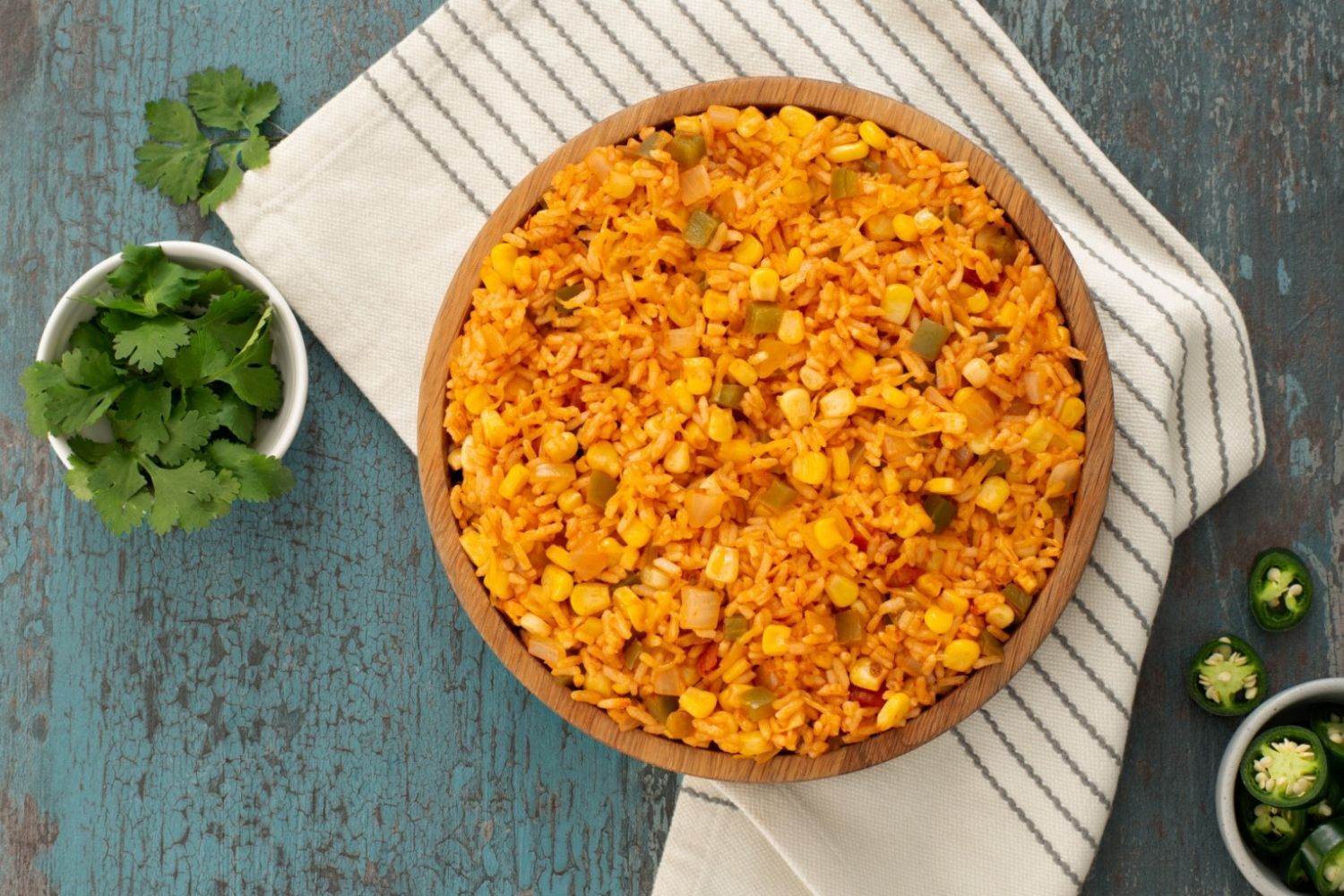
- For leftover rice, mix in a bit of the seasoning and a splash of chicken broth or vegetable broth before microwaving. This will keep the rice moist and flavorful.
- When reheating casseroles, sprinkle a bit of the seasoning on top before placing it in the oven. This will refresh the dish and add a new layer of flavor.
- For leftover salads, especially those with grains or pasta, mix in a bit of the seasoning and a drizzle of olive oil before serving. This will give the salad a fresh, vibrant taste.
Best Tools for Making This Seasoning
Mixing bowl: Use this to combine all the dried herbs and spices together.
Measuring spoons: These are essential for accurately measuring out each ingredient to ensure the perfect blend.
Spoon or whisk: Use this to stir the ingredients thoroughly to ensure an even mix.
Airtight container: Store your Italian seasoning in this to keep it fresh and flavorful for a longer period.
How to Save Time on Making This Seasoning
Pre-measure ingredients: Measure out all dried herbs and spices in advance to save time during mixing.
Use a spice grinder: If you prefer a finer blend, quickly pulse the herbs in a spice grinder.
Batch preparation: Make a large batch of Italian seasoning and store it for future use.
Label containers: Clearly label your airtight containers to avoid confusion and save time when cooking.
Organize your pantry: Keep all your spices and herbs in one place for easy access.
Italian Seasoning Recipe
Ingredients
Main Ingredients
- 2 tablespoon Dried Basil
- 2 tablespoon Dried Oregano
- 1 tablespoon Dried Rosemary
- 1 tablespoon Dried Thyme
- 1 tablespoon Dried Marjoram
- 1 tablespoon Dried Sage
- 1 teaspoon Garlic Powder
- 1 teaspoon Onion Powder
- 1 teaspoon Red Pepper Flakes optional
Instructions
- 1. Combine all ingredients in a mixing bowl.
- 2. Stir well to mix evenly.
- 3. Store in an airtight container.
Nutritional Value
Keywords
More Amazing Recipes to Try 🙂
- Oven Fried Chicken Recipe1 Hours
- Pink Lemonade Recipe10 Minutes
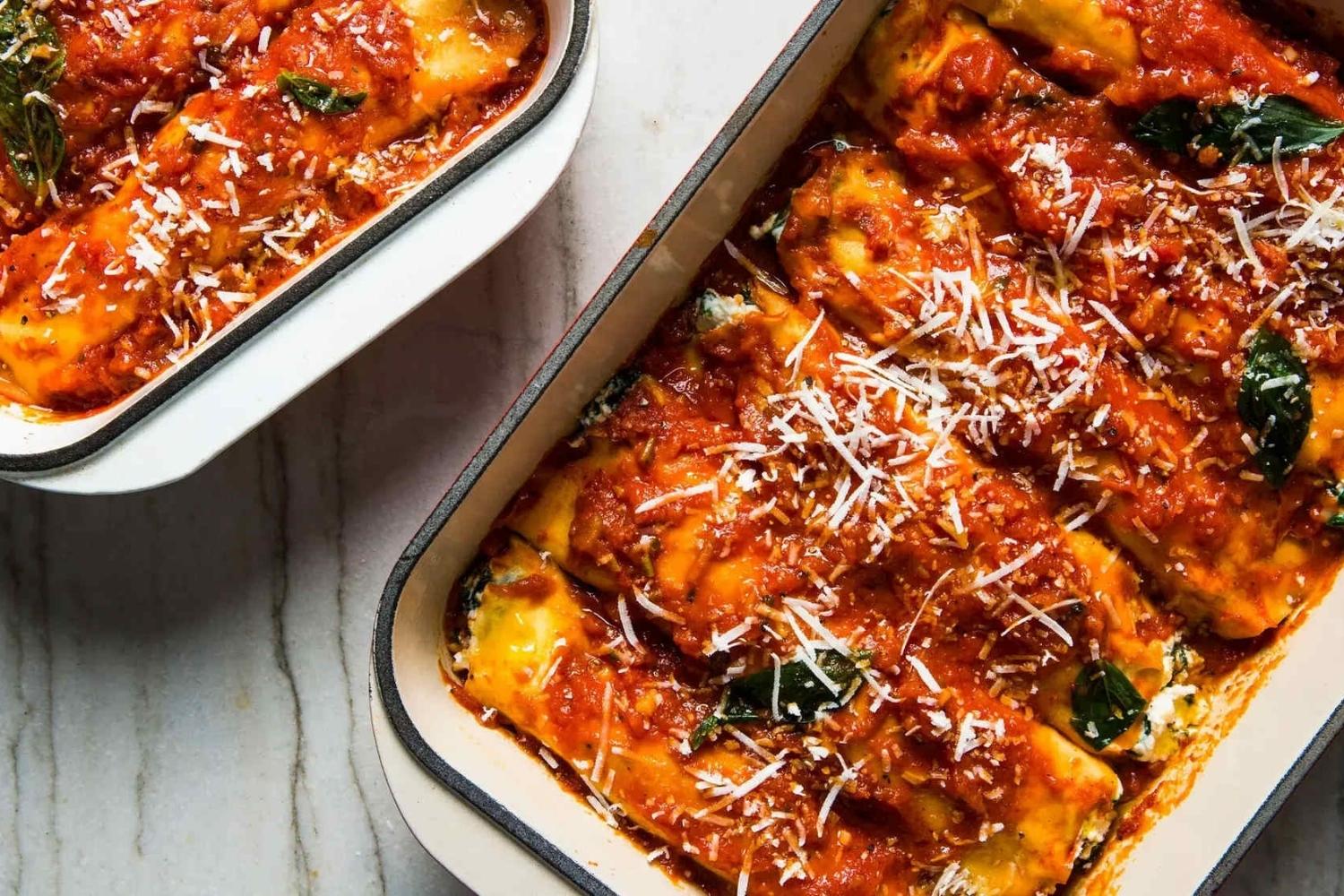
- Manicotti Recipe1 Hours
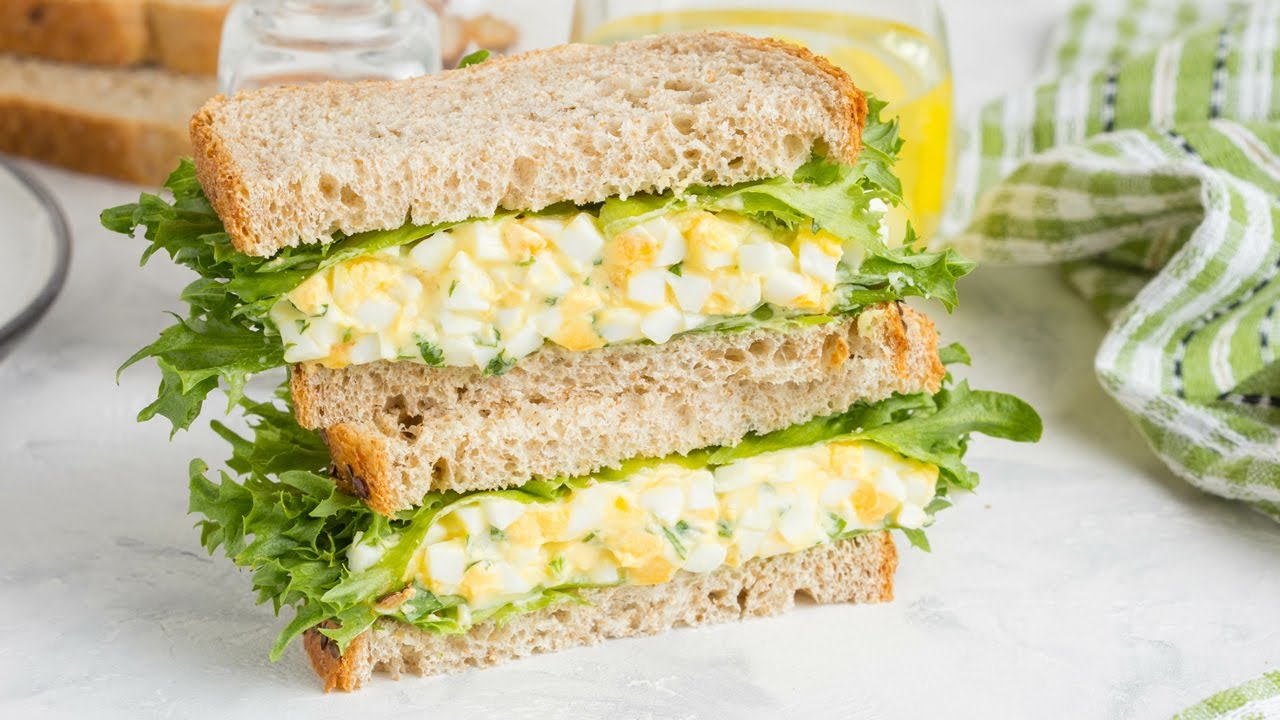
- Curried Egg Sandwiches Recipe20 Minutes
- Ramen Noodle Soup Recipe30 Minutes
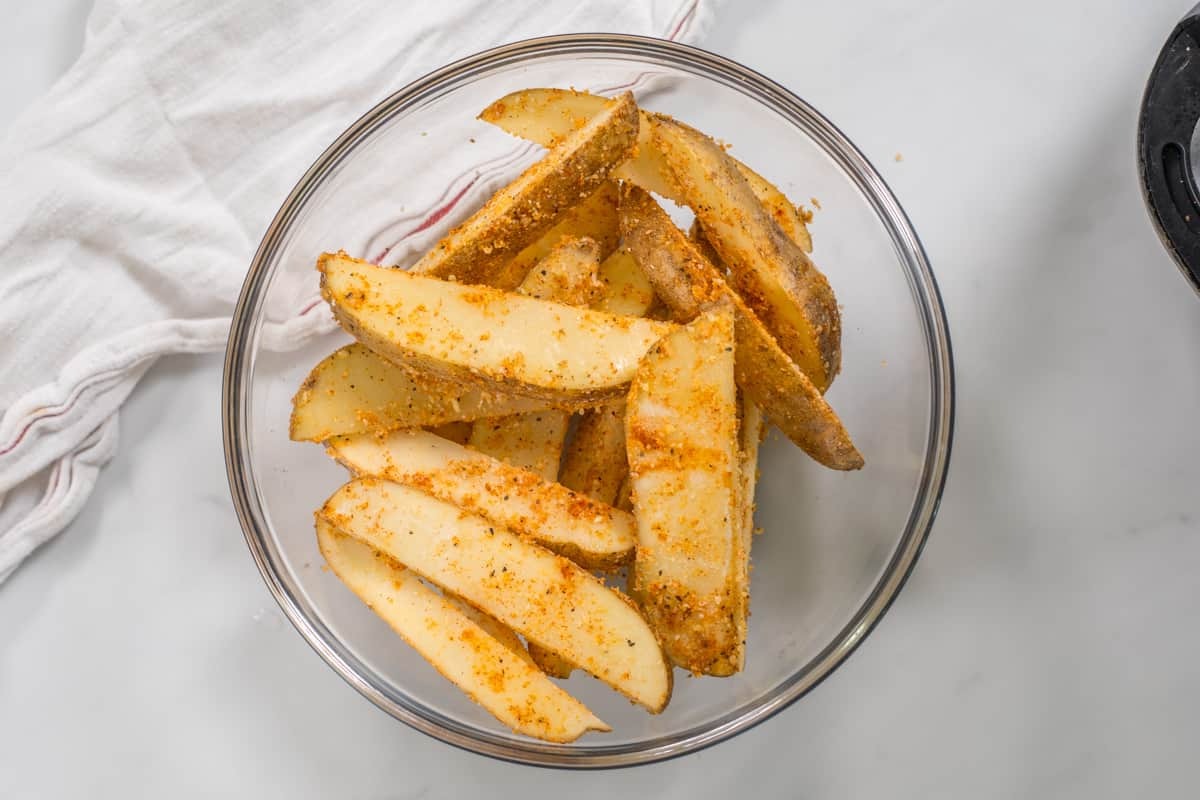
- Air Fryer Potato Wedges Recipe30 Minutes
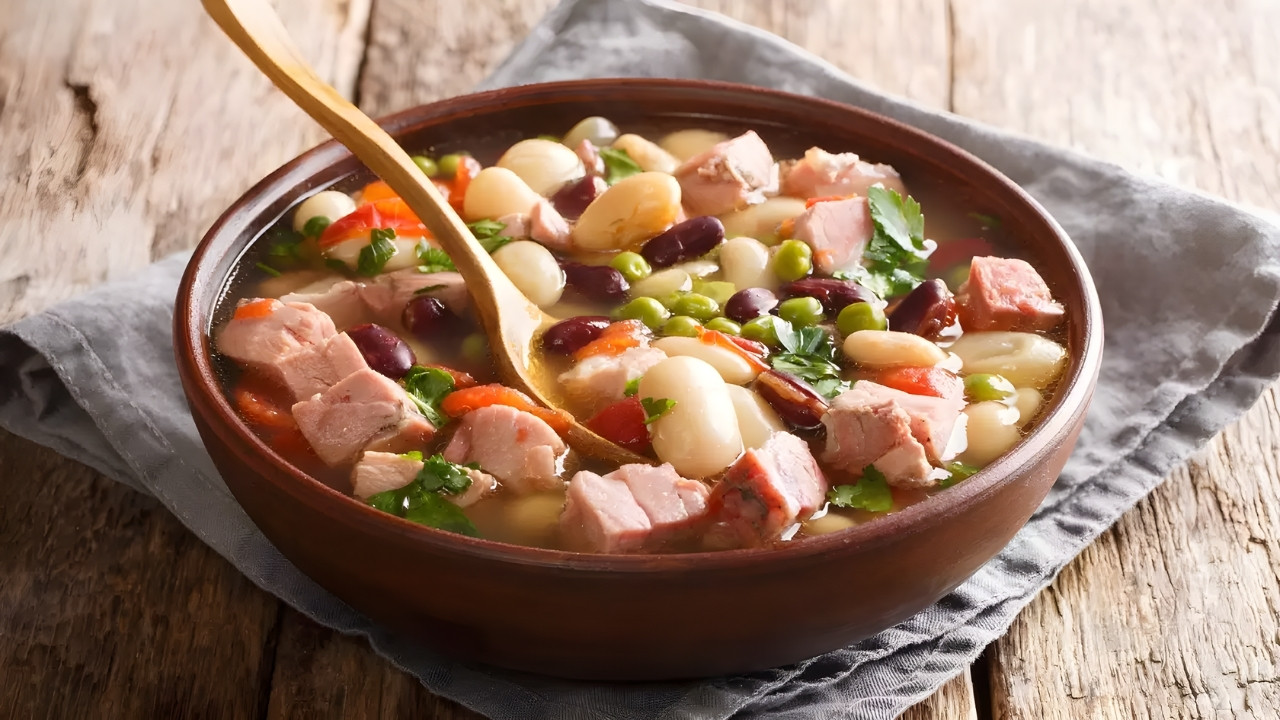
- Slow Cooker Ham and Bean Soup Recipe8 Hours 15 Minutes
- Crab Salad Recipe15 Minutes




Leave a Reply