
Pickled okra is a delightful way to preserve this unique vegetable, offering a tangy and slightly spicy flavor that complements many dishes. This recipe is simple and quick, making it perfect for both beginners and experienced home cooks. Enjoy the crisp texture and zesty taste of homemade pickled okra.
Some ingredients in this recipe might not be staples in every household. For instance, mustard seeds and dill seeds are essential for the pickling process but may not be commonly found in your pantry. Make sure to check the spice aisle at your local supermarket for these items. Fresh okra is also crucial, so look for firm and unblemished pods in the produce section.
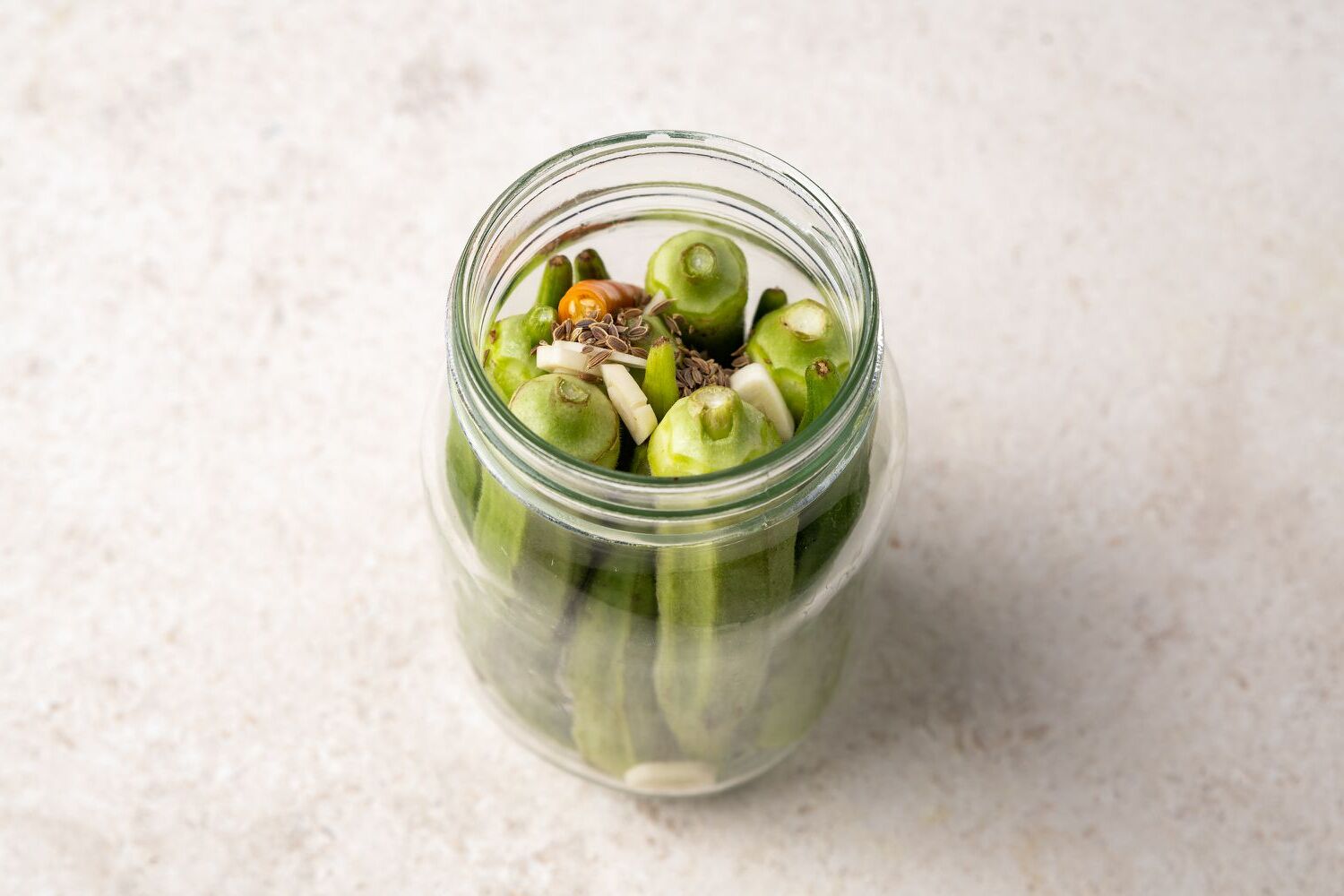
Ingredients For Pickled Okra Recipe
Okra: Fresh vegetable that is the star of this recipe, known for its unique texture and flavor.
White vinegar: Provides the acidic base for the pickling brine.
Water: Dilutes the vinegar to balance the acidity.
Salt: Essential for flavor and preservation.
Sugar: Adds a touch of sweetness to balance the tanginess.
Mustard seeds: Adds a subtle, spicy flavor to the pickling brine.
Dill seeds: Imparts a distinctive, aromatic flavor to the pickles.
Garlic: Adds a robust, savory note to the pickles.
Technique Tip for This Recipe
When packing the okra into the jar, make sure to arrange them vertically, with the stems facing up. This not only maximizes space but also ensures that the vinegar mixture can circulate evenly around each piece, resulting in a more consistent pickle. Additionally, lightly tapping the jar on the counter after pouring in the vinegar mixture helps to remove any air bubbles, ensuring a better seal and longer shelf life.
Suggested Side Dishes
Alternative Ingredients
fresh okra - Substitute with green beans: Green beans have a similar texture and can absorb the pickling flavors well.
white vinegar - Substitute with apple cider vinegar: Apple cider vinegar provides a slightly sweeter and fruitier flavor that complements pickled vegetables.
water - Substitute with vegetable broth: Vegetable broth can add an extra layer of flavor to the pickling brine.
salt - Substitute with kosher salt: Kosher salt has a similar texture and salinity, making it a good alternative for pickling.
sugar - Substitute with honey: Honey adds a natural sweetness and a hint of floral flavor to the pickling brine.
mustard seeds - Substitute with caraway seeds: Caraway seeds provide a slightly different but complementary flavor profile to the pickling brine.
dill seeds - Substitute with fennel seeds: Fennel seeds offer a sweet, anise-like flavor that works well in pickling.
peeled garlic - Substitute with shallots: Shallots provide a milder, sweeter flavor compared to garlic, but still add depth to the pickling brine.
Other Alternative Recipes Similar to This Recipe
How to Store / Freeze This Recipe
Ensure the pickled okra is completely cooled to room temperature before considering storage options. This helps prevent condensation inside the jar, which can affect the pickling process.
Store the sealed jar in the refrigerator. The cool environment slows down the fermentation process, ensuring your okra remains crisp and flavorful.
For long-term storage, consider using a canning method. Sterilize your jars and lids by boiling them in water for at least 10 minutes. This step is crucial to prevent any bacterial growth.
Once sterilized, fill the jars with the okra and hot vinegar mixture, leaving about ½ inch of headspace. Wipe the rims clean to ensure a good seal.
Process the jars in a boiling water bath for about 10 minutes. This step ensures that the jars are sealed properly and can be stored at room temperature for up to a year.
If you prefer freezing, transfer the cooled pickled okra into freezer-safe containers or heavy-duty freezer bags. Leave some space at the top to allow for expansion during freezing.
Label the containers with the date of preparation. This helps you keep track of how long the okra has been stored.
When ready to use, thaw the pickled okra in the refrigerator overnight. This gradual thawing process helps maintain the texture and flavor.
Always check for any signs of spoilage before consuming. If the okra appears slimy, has an off smell, or the brine looks cloudy, it's best to discard it.
Enjoy your pickled okra as a tangy snack, a crunchy addition to salads, or a unique garnish for cocktails.
How to Reheat Leftovers
For a quick and easy method, simply remove the pickled okra from the refrigerator and let it sit at room temperature for about 15-20 minutes. This will take the chill off without compromising the crispness.
If you prefer a slightly warm pickled okra, you can place it in a microwave-safe dish and microwave on low power for about 10-15 seconds. Be cautious not to overheat, as this can make the okra mushy.
For a more traditional approach, you can gently warm the pickled okra in a saucepan over low heat. Add a splash of water or vinegar to the pan to prevent the okra from drying out. Heat for 2-3 minutes, stirring occasionally.
If you want to add a smoky flavor, consider grilling the pickled okra. Preheat your grill to medium heat and place the okra on a grill basket or skewer. Grill for 1-2 minutes on each side, just enough to warm through and add a slight char.
Another creative method is to incorporate the pickled okra into a warm dish. For example, you can add it to a stir-fry or soup during the last few minutes of cooking. This will gently heat the okra while infusing the dish with its tangy flavor.
Best Tools for This Recipe
Saucepan: Used to combine vinegar, water, salt, and sugar, and bring the mixture to a boil.
Knife: Essential for trimming the stems off the okra.
Cutting board: Provides a safe surface for trimming the okra.
Measuring cups: Necessary for accurately measuring the vinegar and water.
Measuring spoons: Used to measure out the salt, sugar, mustard seeds, and dill seeds.
Jar: Used to pack the okra, garlic, mustard seeds, and dill seeds, and to hold the pickling mixture.
Lid: Used to seal the jar after pouring the hot vinegar mixture over the okra.
Tongs: Helpful for packing the okra into the jar without burning your fingers.
Stove: Needed to heat the saucepan and bring the vinegar mixture to a boil.
Cooling rack: Useful for letting the sealed jar cool to room temperature before refrigerating.
How to Save Time on Making This Recipe
Prepare ingredients in advance: Wash and trim the okra ahead of time to streamline the pickling process.
Use pre-measured spices: Measure out the mustard seeds, dill seeds, salt, and sugar before starting to save time during cooking.
Boil the brine first: Start by boiling the vinegar and water mixture while you prepare the jars and other ingredients.
Sterilize jars in advance: Sterilize your jars ahead of time so they are ready to use immediately when the brine is hot.
Pickled Okra Recipe
Ingredients
Main Ingredients
- 1 lb fresh okra
- 2 cups white vinegar
- 1 cup water
- 2 tablespoon salt
- 1 tablespoon sugar
- 1 teaspoon mustard seeds
- 1 teaspoon dill seeds
- 4 cloves garlic peeled
Instructions
- 1. Wash the okra and trim the stems.
- 2. In a saucepan, combine vinegar, water, salt, and sugar. Bring to a boil.
- 3. Pack the okra, garlic, mustard seeds, and dill seeds into a jar.
- 4. Pour the hot vinegar mixture over the okra in the jar, leaving some headspace.
- 5. Seal the jar and let it cool to room temperature before refrigerating.
- 6. Let the okra pickle for at least 24 hours before serving.
Nutritional Value
Keywords
More Amazing Recipes to Try 🙂
- Oven Fried Chicken Recipe1 Hours
- Pink Lemonade Recipe10 Minutes
- Manicotti Recipe1 Hours
- Curried Egg Sandwiches Recipe20 Minutes
- Ramen Noodle Soup Recipe30 Minutes
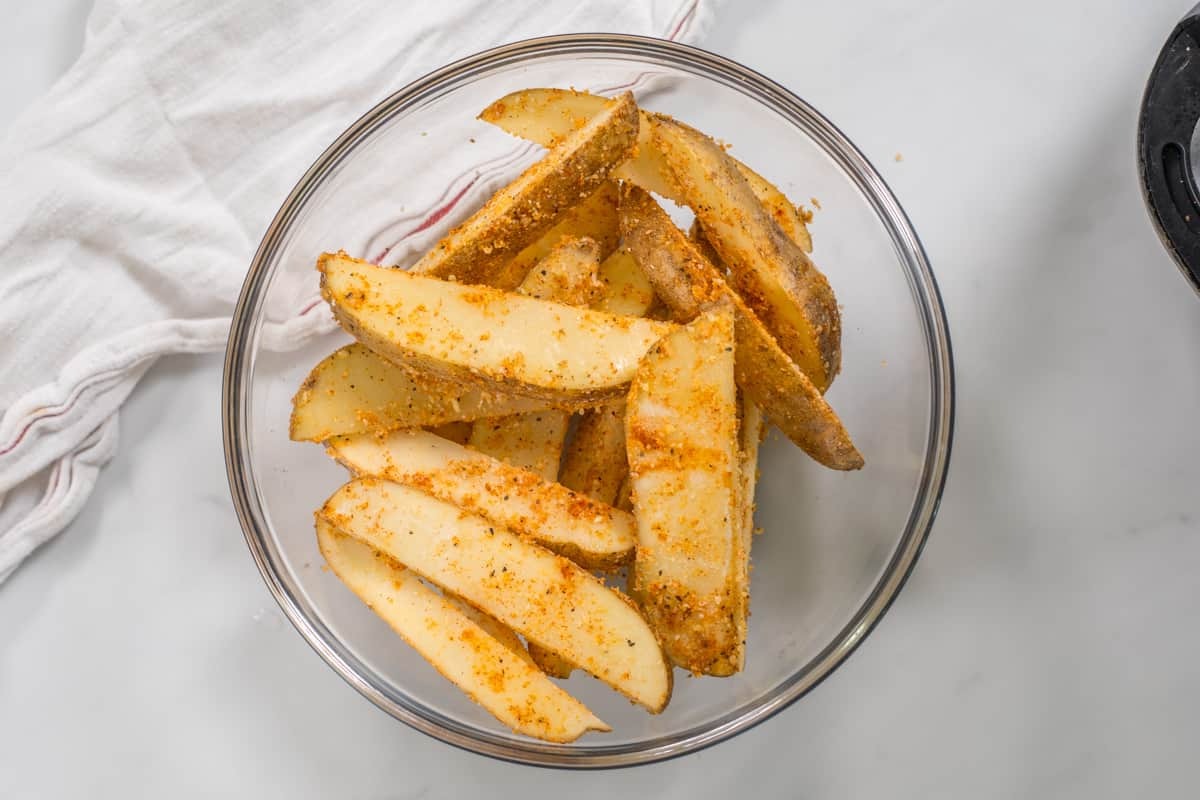
- Air Fryer Potato Wedges Recipe30 Minutes
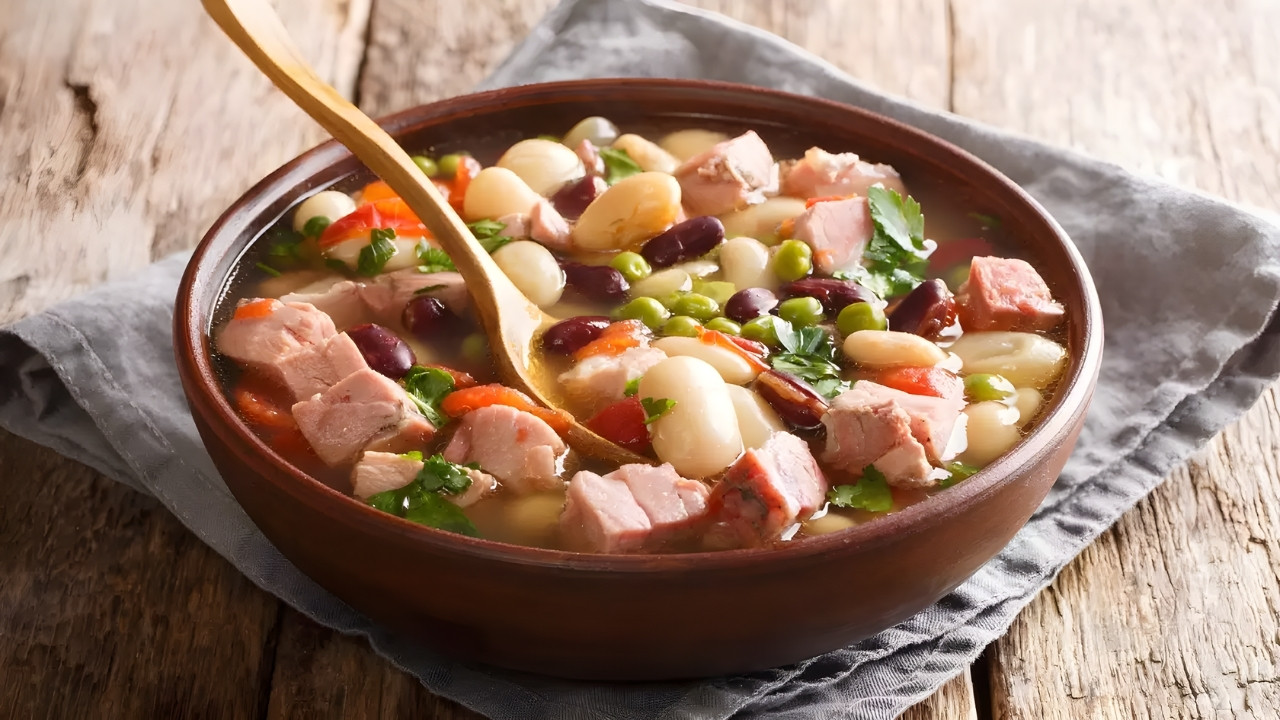
- Slow Cooker Ham and Bean Soup Recipe8 Hours 15 Minutes
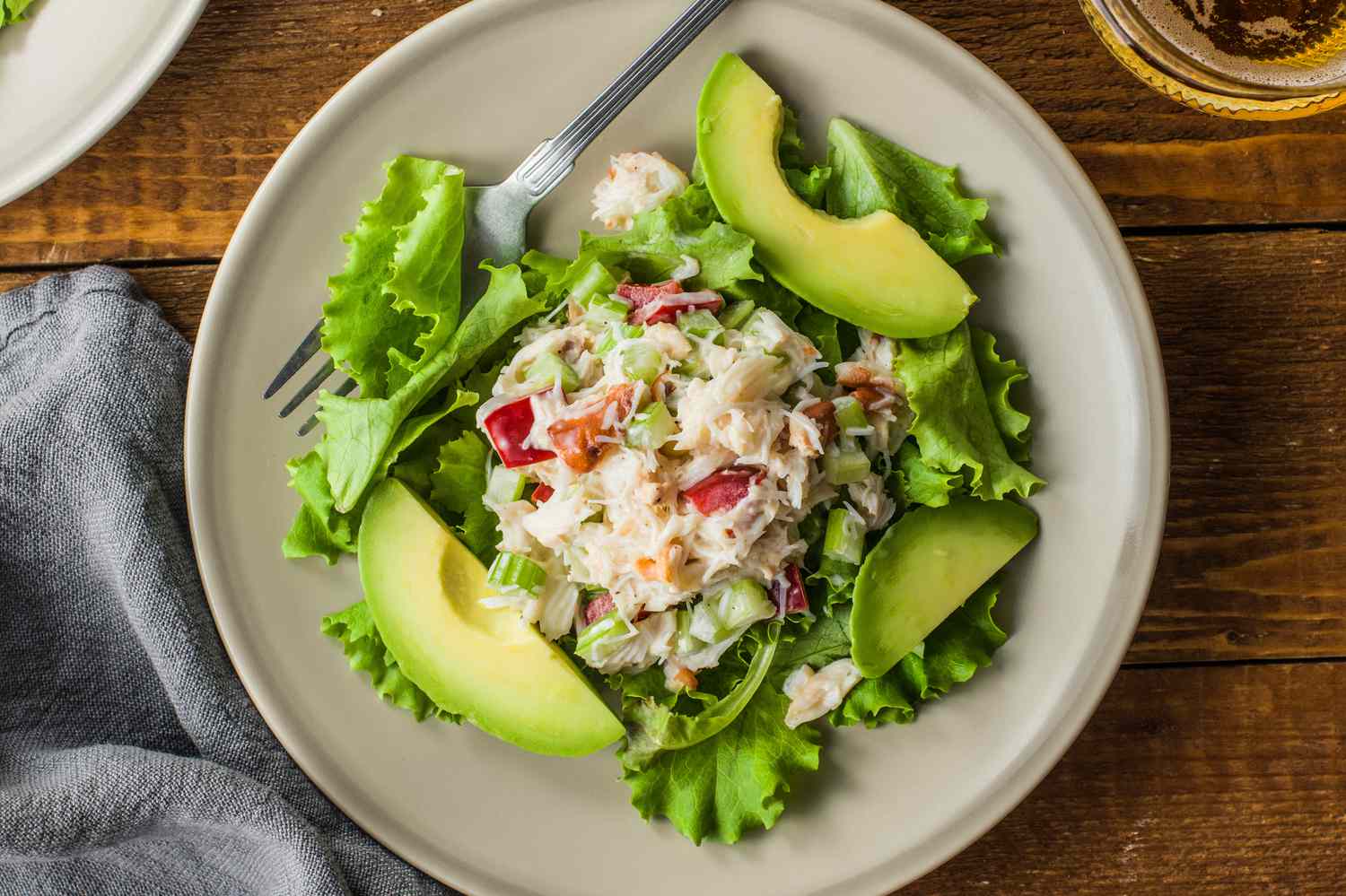
- Crab Salad Recipe15 Minutes



Leave a Reply