Creating your own sauerkraut at home is a rewarding and simple process that yields a tangy, probiotic-rich condiment. This traditional method of fermenting cabbage not only enhances its flavor but also boosts its nutritional value. Perfect as a side dish or a topping, homemade sauerkraut adds a delightful crunch and zest to any meal.
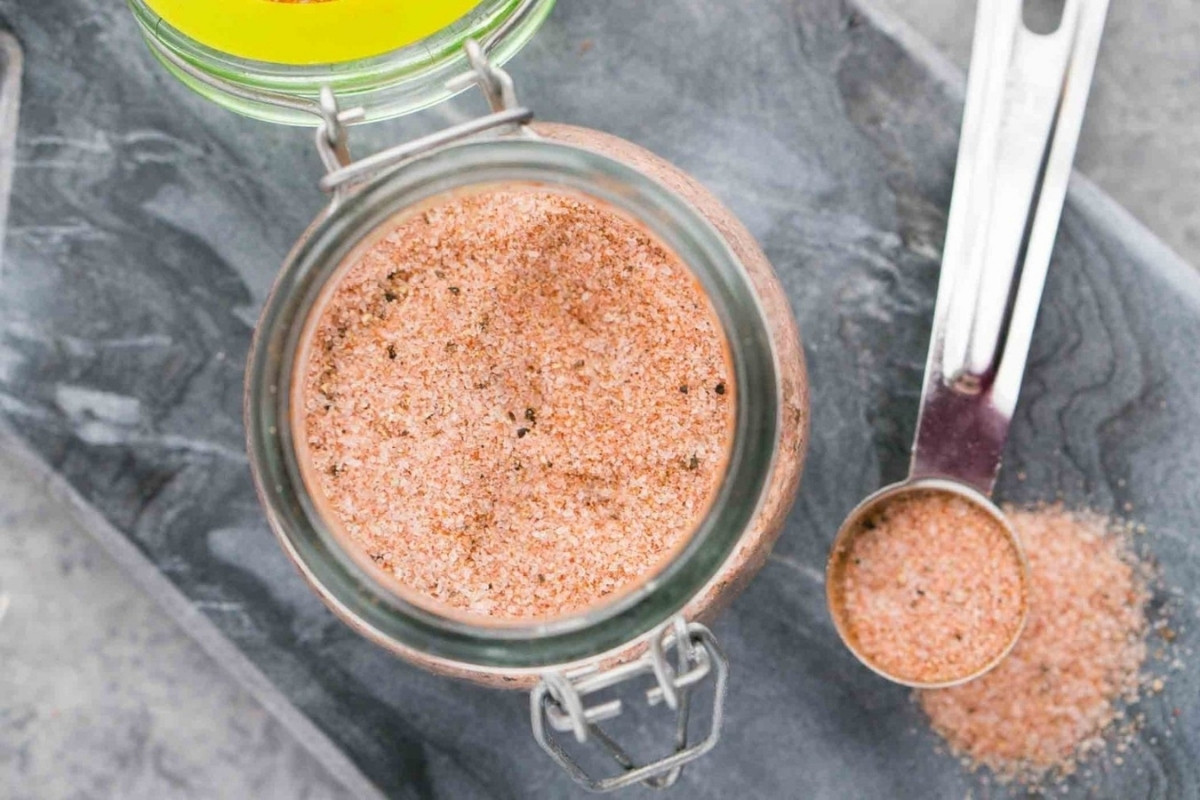
The ingredients for this sauerkraut recipe are straightforward, but it's important to use non-iodized salt to ensure proper fermentation. Non-iodized salt helps maintain the beneficial bacteria needed for the fermentation process. If you don't already have it at home, you can easily find it in the spice aisle of your local supermarket.

Ingredients For Sauerkraut Recipe
Green cabbage: The main ingredient, shredded finely to create the base of the sauerkraut.
Non-iodized salt: Essential for drawing out the moisture from the cabbage and facilitating the fermentation process.
Technique Tip for Making Sauerkraut
When preparing sauerkraut, it's crucial to use non-iodized salt because iodized salt can inhibit the fermentation process. Additionally, ensure that the cabbage is packed tightly into the fermentation crock or jar to minimize air pockets, which can lead to spoilage.
Suggested Side Dishes
Alternative Ingredients
shredded green cabbage - Substitute with shredded red cabbage: Red cabbage will provide a slightly different flavor and a vibrant color, but it will still ferment well and give you a similar texture.
shredded green cabbage - Substitute with shredded napa cabbage: Napa cabbage has a more delicate texture and a milder taste, but it can still be used to make a delicious sauerkraut.
non-iodized salt - Substitute with kosher salt: Kosher salt is also free of iodine and additives, making it a suitable alternative for fermentation.
non-iodized salt - Substitute with sea salt: Sea salt is another excellent option as it is natural and free from additives that could interfere with the fermentation process.
Other Alternative Recipes Similar to Sauerkraut
How to Store or Freeze Sauerkraut
- Once your sauerkraut has reached the desired tanginess, transfer it to clean, airtight jars or containers. This will help maintain its flavor and texture.
- Store the jars in the refrigerator. The cool temperature will slow down the fermentation process, keeping your sauerkraut fresh for several months.
- For longer storage, consider freezing your sauerkraut. Portion it into freezer-safe bags or containers, removing as much air as possible to prevent freezer burn.
- Label each container with the date of preparation to keep track of its freshness.
- When ready to use, thaw the sauerkraut in the refrigerator overnight. Avoid using a microwave to defrost, as it can alter the texture and flavor.
- If you notice any off smells, discoloration, or mold, discard the sauerkraut immediately. Proper storage should prevent these issues, but it's always best to be cautious.
- For a creative twist, mix your sauerkraut with other vegetables like carrots or beets before freezing. This can add a burst of color and flavor to your dishes.
- Use your stored sauerkraut in a variety of recipes, from soups to sandwiches, or even as a tangy topping for meats and salads.
- Remember, the key to maintaining the best quality is to keep your sauerkraut submerged in its brine, whether it's in the fridge or freezer. This ensures it stays crisp and flavorful.
How to Reheat Leftovers
Stovetop Method:
- Place the sauerkraut in a saucepan.
- Add a splash of water or broth to prevent it from drying out.
- Heat over medium-low heat, stirring occasionally, until warmed through.
Microwave Method:
- Transfer the sauerkraut to a microwave-safe dish.
- Cover with a microwave-safe lid or plastic wrap with a few holes poked in it.
- Heat on medium power for 1-2 minutes, stirring halfway through, until evenly heated.
Oven Method:
- Preheat your oven to 350°F (175°C).
- Place the sauerkraut in an oven-safe dish.
- Cover with aluminum foil to retain moisture.
- Bake for 15-20 minutes, stirring halfway through, until hot.
Slow Cooker Method:
- Add the sauerkraut to your slow cooker.
- Set it on low heat.
- Allow it to warm for about 1-2 hours, stirring occasionally.
Steaming Method:
- Place the sauerkraut in a steaming basket.
- Set the basket over a pot of simmering water.
- Cover and steam for about 5-10 minutes, until heated through.
Best Tools for Making Sauerkraut
Cabbage shredder: A specialized tool for finely shredding cabbage, ensuring uniform pieces for even fermentation.
Knife: An alternative to the cabbage shredder, used for finely slicing the cabbage if a shredder is not available.
Large bowl: Used to mix the shredded cabbage with salt and allow it to sit and release its juices.
Fermentation crock: A container designed specifically for fermenting vegetables, allowing gases to escape while keeping contaminants out.
Jar: An alternative to the fermentation crock, used to pack the cabbage tightly and ensure it stays submerged in its own juice.
Cloth: Used to cover the jar, allowing air to circulate while keeping dust and insects out.
Rubber band: Secures the cloth over the jar, ensuring it stays in place during the fermentation process.
Hands: Essential for massaging the cabbage to release its juices and for packing it tightly into the fermentation container.
How to Save Time on Making Sauerkraut
Use a food processor: Shred the cabbage quickly by using a food processor instead of a knife.
Pre-mix salt: Measure and mix the salt beforehand to save time during preparation.
Batch massage: Massage the cabbage in smaller batches to speed up the process of releasing juices.
Use a fermentation weight: Place a fermentation weight on top of the cabbage to keep it submerged without daily pressing.
Label the jar: Mark the start date on the jar to easily track the fermentation time.
Sauerkraut Recipe
Ingredients
Main Ingredients
- 2 kg Green cabbage shredded
- 3 tablespoon Salt non-iodized
Instructions
- 1. Shred the cabbage finely using a cabbage shredder or knife.
- 2. In a large bowl, mix the shredded cabbage with salt. Let it sit for 10 minutes.
- 3. Massage the cabbage with your hands until it releases its juices.
- 4. Pack the cabbage tightly into a fermentation crock or jar, ensuring it's submerged in its own juice.
- 5. Cover the jar with a cloth and secure it with a rubber band. Let it ferment at room temperature for 1-2 weeks.
- 6. Check the sauerkraut daily and press it down if needed to keep it submerged.
- 7. Once it reaches the desired tanginess, transfer it to the fridge to slow down fermentation.
Nutritional Value
Keywords
More Amazing Recipes to Try 🙂
- Oven Fried Chicken Recipe1 Hours
- Pink Lemonade Recipe10 Minutes
- Manicotti Recipe1 Hours
- Curried Egg Sandwiches Recipe20 Minutes
- Ramen Noodle Soup Recipe30 Minutes
- Air Fryer Potato Wedges Recipe30 Minutes
- Slow Cooker Ham and Bean Soup Recipe8 Hours 15 Minutes
- Crab Salad Recipe15 Minutes










Leave a Reply