
This Japanese restaurant style salad dressing is a delightful blend of flavors that will elevate any salad. With its perfect balance of savory, tangy, and sweet notes, it brings a touch of authentic Japanese cuisine to your table. Whether you're preparing a simple green salad or a more elaborate dish, this dressing is sure to impress.
Some of the ingredients in this recipe might not be staples in every household. Soy sauce and rice vinegar are common in Asian cuisine but may not be in everyone's pantry. Sesame oil adds a unique nutty flavor and aroma, which is essential for this dressing. If you don't have these on hand, they can be found in the international aisle of most supermarkets.
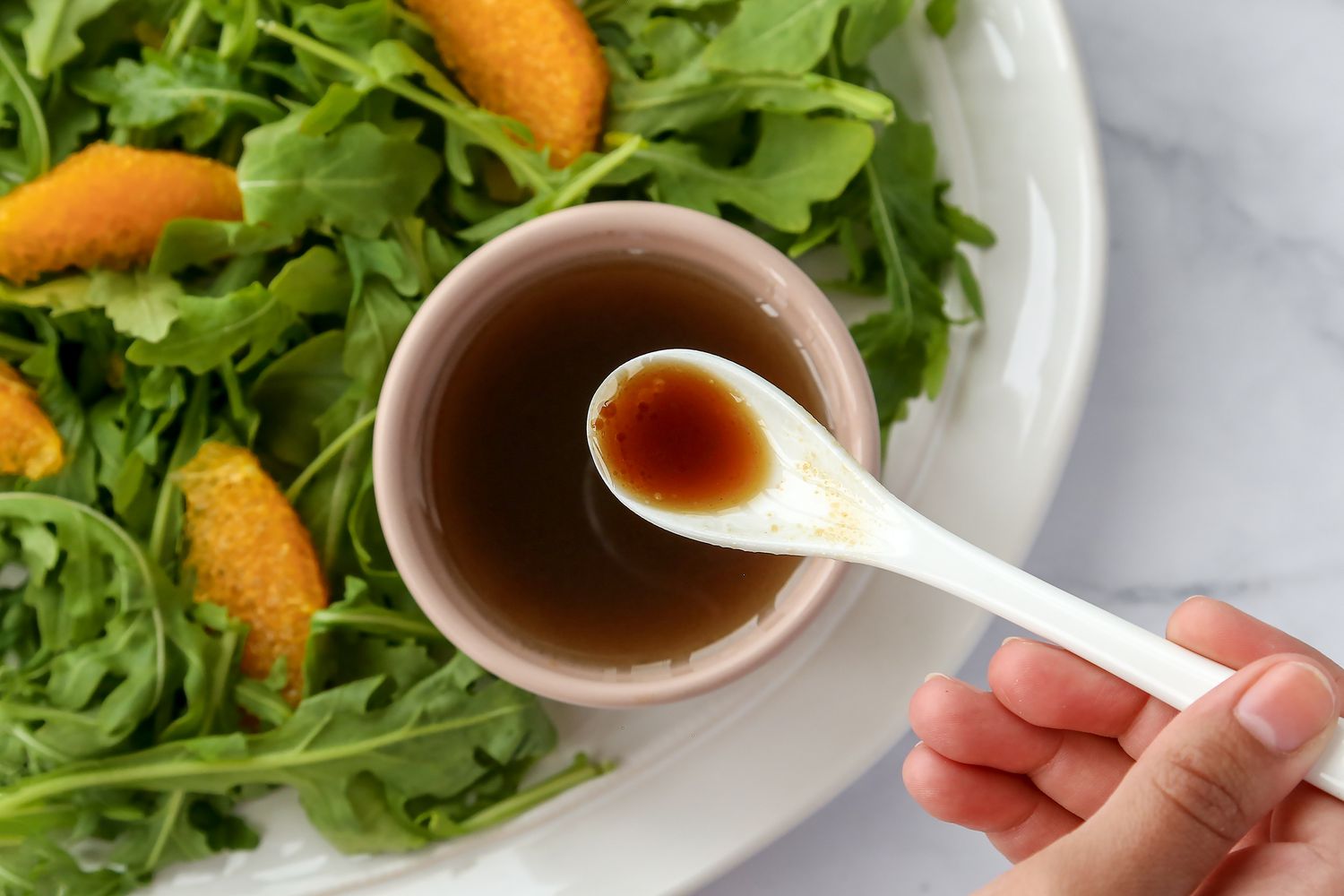
Ingredients For Japanese Restaurant Style Salad Dressing
Soy sauce: A salty and savory liquid condiment made from fermented soybeans, essential for adding umami flavor.
Rice vinegar: A mild and slightly sweet vinegar made from fermented rice, used to add acidity and balance.
Sesame oil: A fragrant oil made from sesame seeds, providing a rich, nutty flavor.
Sugar: A sweetener that balances the savory and acidic components of the dressing.
Garlic: A pungent and aromatic bulb, minced to add depth and flavor.
Ginger: A spicy and aromatic root, grated to add warmth and complexity.
Technique Tip for This Recipe
To enhance the flavor of the garlic and ginger, consider lightly sautéing them in a small amount of sesame oil before adding them to the blender. This will mellow the sharpness of the garlic and bring out the aromatic qualities of the ginger, giving your dressing a deeper, more complex flavor.
Suggested Side Dishes
Alternative Ingredients
soy sauce - Substitute with tamari: Tamari is a gluten-free alternative to soy sauce and has a similar umami flavor.
soy sauce - Substitute with coconut aminos: Coconut aminos is a soy-free and lower-sodium alternative that provides a slightly sweeter taste.
rice vinegar - Substitute with apple cider vinegar: Apple cider vinegar has a similar acidity and can mimic the tanginess of rice vinegar.
rice vinegar - Substitute with white wine vinegar: White wine vinegar has a comparable acidity and light flavor, making it a good alternative.
sesame oil - Substitute with olive oil: Olive oil can replace sesame oil, though it lacks the nutty flavor. Adding a small amount of toasted sesame seeds can help mimic the taste.
sesame oil - Substitute with peanut oil: Peanut oil has a mild flavor and can be used as a substitute, though it won't have the same sesame aroma.
sugar - Substitute with honey: Honey provides a natural sweetness and can be used in place of sugar, though it will add a slight floral note.
sugar - Substitute with maple syrup: Maple syrup offers a similar sweetness with a unique flavor that can complement the dressing.
garlic - Substitute with garlic powder: Garlic powder can be used in place of fresh garlic, though it will have a less intense flavor. Use about ¼ teaspoon of garlic powder for each clove of garlic.
garlic - Substitute with shallots: Minced shallots can provide a similar pungency and depth of flavor as garlic.
ginger - Substitute with ground ginger: Ground ginger can replace fresh ginger, though it will have a more concentrated flavor. Use about ¼ teaspoon of ground ginger for each tablespoon of fresh ginger.
ginger - Substitute with galangal: Galangal has a similar spicy and aromatic profile to ginger and can be used as a substitute, though it has a slightly different flavor.
Other Alternative Recipes Similar to This Salad Dressing
How to Store or Freeze This Salad Dressing
- To store your Japanese restaurant style salad dressing, pour it into an airtight container, such as a glass jar or a plastic bottle with a tight-fitting lid.
- Place the container in the refrigerator. The dressing will stay fresh for up to one week.
- Before each use, give the container a good shake to re-emulsify the ingredients, as the sesame oil may separate over time.
- For longer storage, consider freezing the dressing. Pour it into a freezer-safe container, leaving some space at the top to allow for expansion.
- Label the container with the date to keep track of its freshness.
- When ready to use, thaw the dressing in the refrigerator overnight. Once thawed, shake well to recombine the ingredients.
- Avoid freezing the dressing in glass containers, as they can crack when the liquid expands.
- For portion control, freeze the dressing in ice cube trays. Once frozen, transfer the cubes to a freezer bag. This way, you can thaw just the amount you need.
- Remember, the texture might change slightly after freezing, but the flavor will remain delicious.
- Always use clean utensils when scooping out the dressing to prevent contamination and extend its shelf life.
How to Reheat Leftovers
Gently warm the dressing in a small saucepan over low heat. Stir occasionally to ensure even heating and prevent the sesame oil from separating. This method helps maintain the integrity of the garlic and ginger flavors.
Use a double boiler by placing the dressing in a heatproof bowl over a pot of simmering water. This indirect heat method will gently warm the dressing without risking any burning or altering the taste.
Microwave the dressing in a microwave-safe container. Heat on low power in 15-second intervals, stirring in between to ensure even heating. This quick method is convenient but requires careful monitoring to avoid overheating.
If you're in a rush, place the dressing in a heatproof container and immerse it in a bowl of hot water. Let it sit for a few minutes, stirring occasionally. This method is gentle and helps maintain the dressing's original texture and flavor.
For a more integrated flavor, reheat the dressing by tossing it with freshly cooked vegetables or meat in a hot pan. The residual heat from the ingredients will warm the dressing while enhancing the overall taste of your dish.
Best Tools for This Recipe
Blender: Use this to combine and blend all the ingredients until smooth.
Measuring cups: Essential for accurately measuring the soy sauce, rice vinegar, and sesame oil.
Measuring spoons: Necessary for measuring the sugar and grated ginger.
Garlic press: Handy for mincing the garlic clove efficiently.
Grater: Ideal for grating the ginger to the right consistency.
Spatula: Useful for scraping down the sides of the blender to ensure all ingredients are well incorporated.
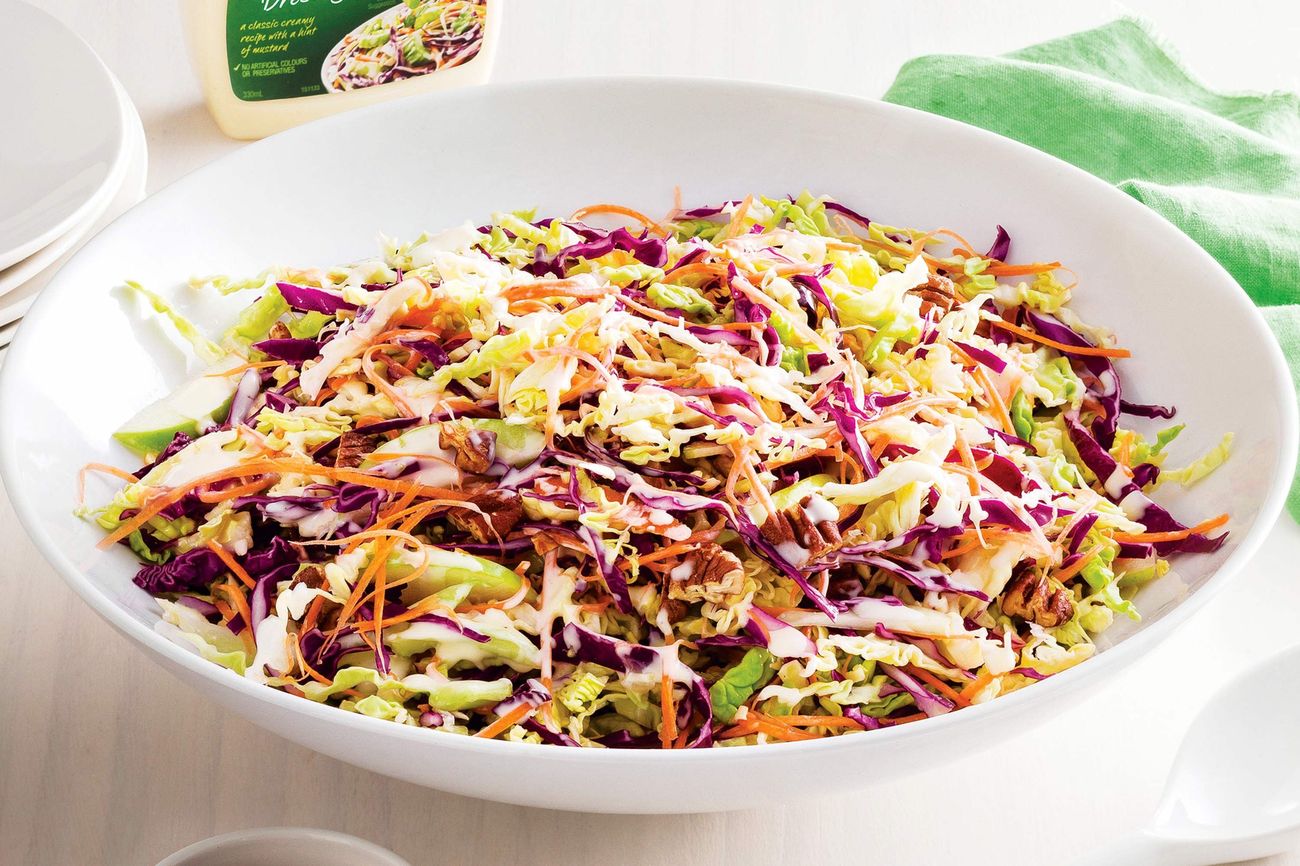
Salad bowl: Perfect for serving the salad with the dressing.
How to Save Time on Making This Recipe
Pre-measure ingredients: Measure out the soy sauce, rice vinegar, sesame oil, sugar, garlic, and ginger in advance to streamline the process.
Use a garlic press: A garlic press can quickly mince the garlic without the need for fine chopping.
Pre-grated ginger: Purchase pre-grated ginger or grate it in bulk and store it in the freezer for quick use.
Batch preparation: Make a larger batch of the dressing and store it in the refrigerator for up to a week, saving time on future salads.
Blender efficiency: Use a high-speed blender to ensure the dressing is smooth and well-mixed in seconds.
Japanese Restaurant Style Salad Dressing Recipe
Ingredients
Main Ingredients
- ½ cup Soy sauce
- ¼ cup Rice vinegar
- ¼ cup Sesame oil
- 2 tablespoon Sugar
- 1 clove Garlic, minced
- 1 tablespoon Ginger, grated
Instructions
- Combine all ingredients in a blender.
- Blend until smooth.
- Serve over your favorite salad.
Nutritional Value
Keywords
More Amazing Recipes to Try 🙂
- Quinoa Black Bean Burgers Recipe35 Minutes
- Vegetarian Chili Recipe1 Hours
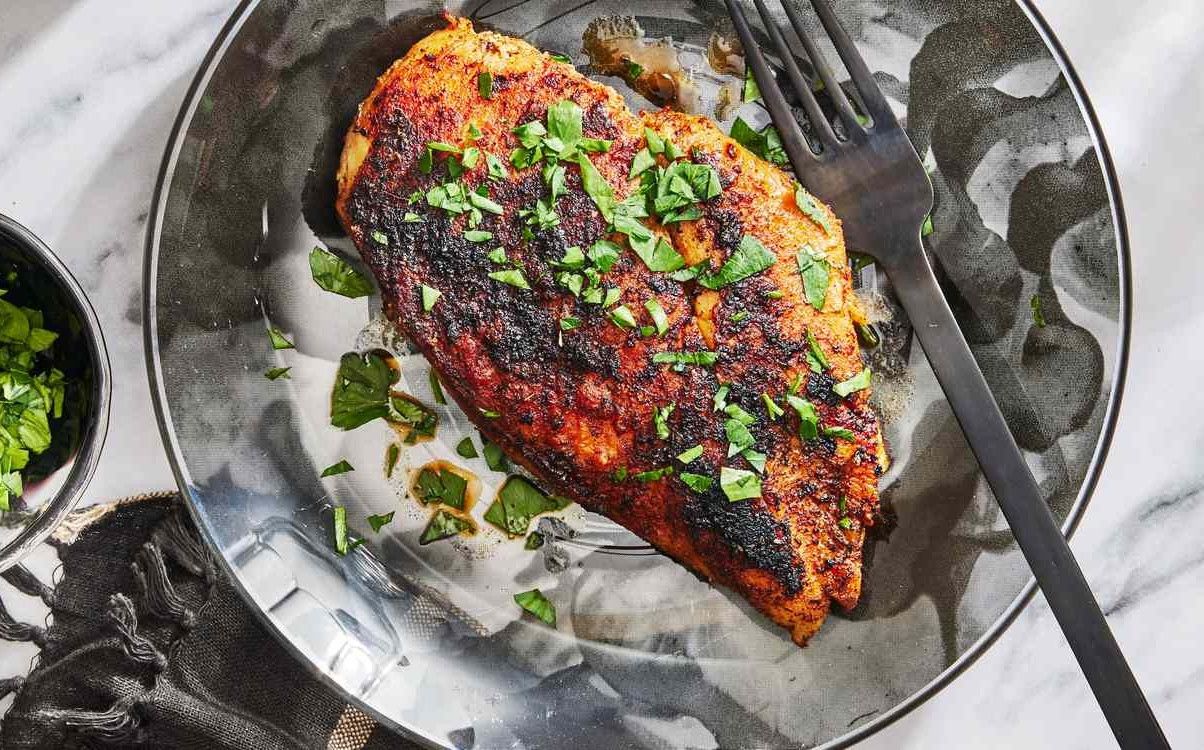
- Blackened Chicken Recipe25 Minutes
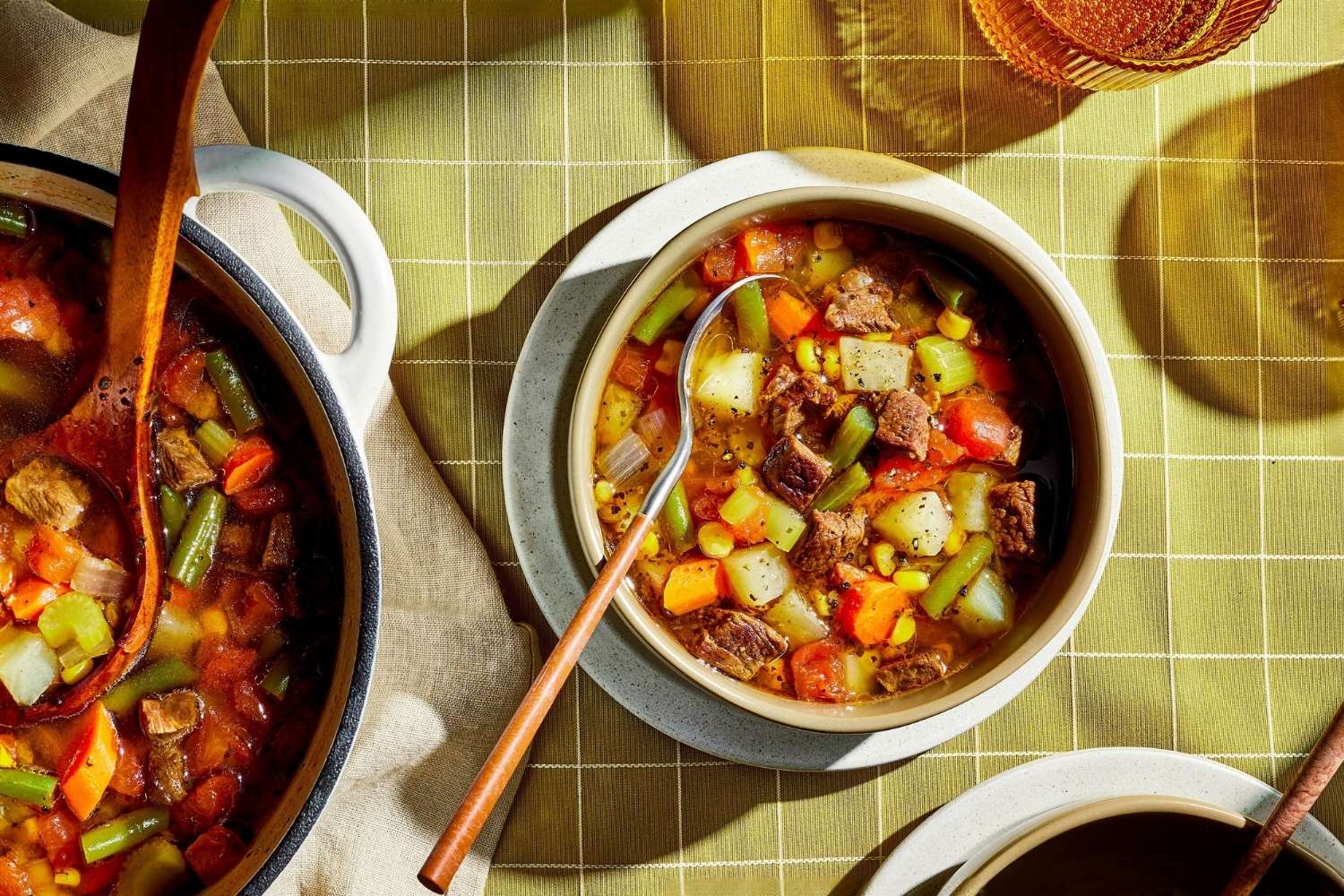
- Vegetable Beef Soup Recipe1 Hours 50 Minutes
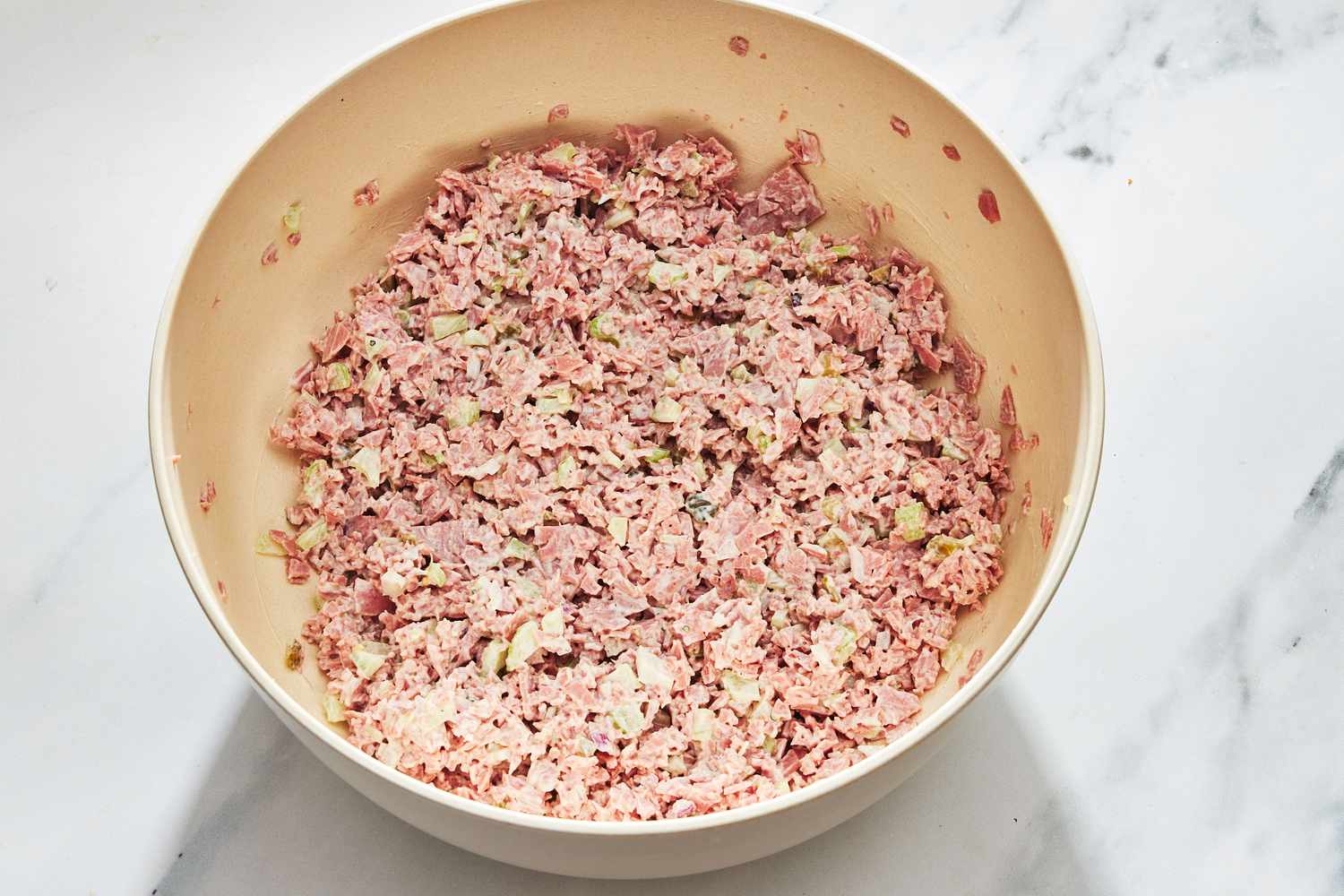
- Bologna Salad Sandwich Spread Recipe10 Minutes
- Cream of Chicken Soup Recipe45 Minutes
- Sweet Pickles Recipe25 Minutes
- White Russian Cocktail Recipe5 Minutes




Leave a Reply