
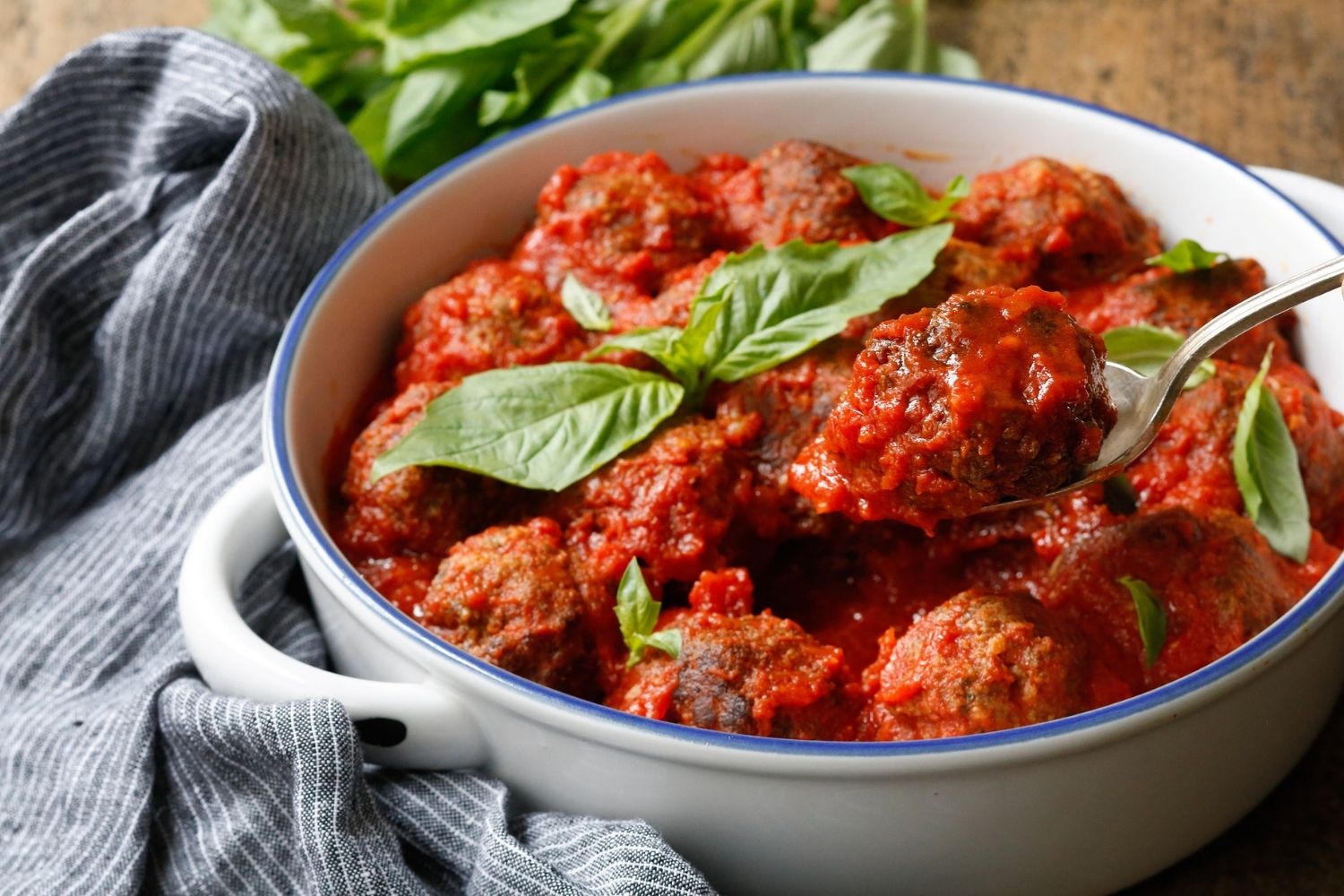
Transform your pasta nights with this rich and flavorful pasta sauce. It's a simple yet delicious recipe that brings together the robust flavors of crushed tomatoes, garlic, and aromatic herbs. Perfect for any pasta dish, this sauce is sure to become a family favorite.
Most of the ingredients for this pasta sauce are commonly found in your pantry. However, if you don't usually stock crushed tomatoes, you will need a can of those. Additionally, make sure you have dried oregano and dried basil on hand, as these herbs are essential for the sauce's flavor.
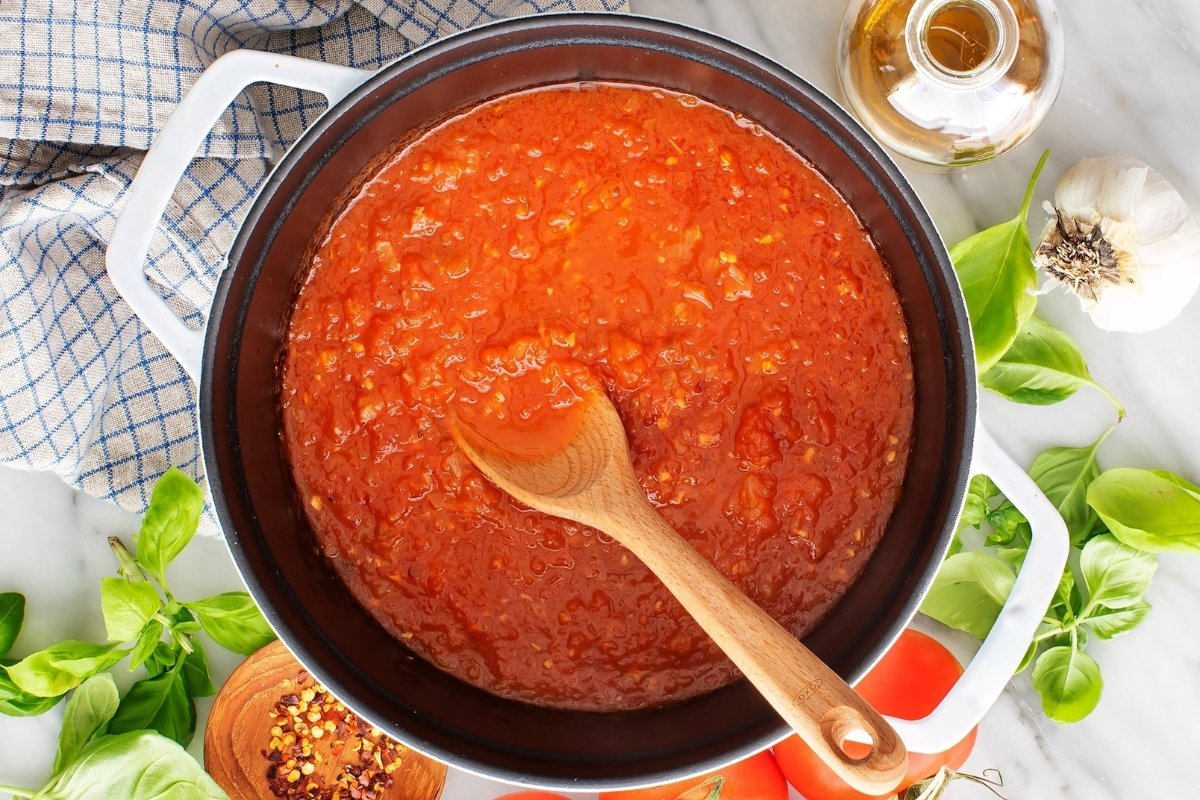
Ingredients for Pasta Sauce Recipe
Olive oil: Used for sautéing the onions and garlic, adding a rich flavor base to the sauce.
Onion: Provides a sweet and savory depth to the sauce when cooked until translucent.
Garlic: Adds a pungent, aromatic flavor that complements the tomatoes and herbs.
Crushed tomatoes: The main ingredient, giving the sauce its body and rich tomato flavor.
Dried oregano: A classic herb that adds a slightly bitter, earthy flavor.
Dried basil: Brings a sweet, peppery note to the sauce, balancing the acidity of the tomatoes.
Salt: Enhances all the flavors in the sauce.
Black pepper: Adds a mild heat and depth to the sauce.
Sugar: Optional, but can be used to balance the acidity of the tomatoes if needed.
Technique Tip for This Recipe
To enhance the flavor of your pasta sauce, consider using fresh herbs instead of dried ones. Add fresh basil and oregano towards the end of the cooking process to preserve their vibrant flavors. Additionally, sautéing the onion and garlic until they are golden brown, rather than just translucent, will add a deeper, richer taste to your sauce.
Suggested Side Dishes
Alternative Ingredients
olive oil - Substitute with canola oil: Canola oil has a neutral flavor and a similar smoke point, making it a good alternative for sautéing.
olive oil - Substitute with butter: Butter adds a rich flavor and can be used for sautéing the onions and garlic.
onion - Substitute with shallots: Shallots have a milder and slightly sweeter flavor, which can add a different depth to the sauce.
onion - Substitute with leeks: Leeks offer a subtle onion flavor and can be used to create a more delicate taste.
garlic - Substitute with garlic powder: Garlic powder can be used in place of fresh garlic, though it will have a slightly different texture and intensity.
garlic - Substitute with shallots: Shallots can provide a mild garlic flavor along with their onion-like taste.
crushed tomatoes - Substitute with tomato sauce: Tomato sauce can be used, though it may be smoother and less chunky than crushed tomatoes.
crushed tomatoes - Substitute with fresh tomatoes: Fresh tomatoes can be chopped and cooked down to create a similar texture and flavor.
dried oregano - Substitute with fresh oregano: Fresh oregano can be used, but you will need to use more since dried herbs are more concentrated.
dried oregano - Substitute with Italian seasoning: Italian seasoning often contains oregano along with other complementary herbs.
dried basil - Substitute with fresh basil: Fresh basil can be used, but you will need to use more since dried herbs are more concentrated.
dried basil - Substitute with thyme: Thyme has a different but complementary flavor that can add complexity to the sauce.
salt - Substitute with soy sauce: Soy sauce can add saltiness along with a depth of umami flavor.
salt - Substitute with sea salt: Sea salt can be used as a direct substitute for table salt, often providing a slightly different mineral taste.
black pepper - Substitute with white pepper: White pepper has a similar heat but a slightly different flavor profile, often used in lighter-colored dishes.
black pepper - Substitute with red pepper flakes: Red pepper flakes can add heat and a different kind of spiciness to the sauce.
sugar - Substitute with honey: Honey can add sweetness along with a slight floral note.
sugar - Substitute with maple syrup: Maple syrup can provide sweetness along with a unique flavor that complements tomatoes.
Alternative Recipes Similar to This Sauce
How to Store or Freeze This Sauce
- Allow the pasta sauce to cool completely before storing. This helps prevent condensation, which can lead to a watery sauce.
- Transfer the cooled sauce into airtight containers or heavy-duty freezer bags. If using bags, lay them flat in the freezer for easier storage and quicker thawing.
- Label each container or bag with the date and contents. This ensures you know exactly what it is and when it was made.
- Store the sauce in the refrigerator for up to 5 days. For longer storage, place it in the freezer where it can last up to 3 months.
- When ready to use, thaw the sauce in the refrigerator overnight. If you're in a hurry, you can also place the sealed bag in a bowl of cold water to speed up the process.
- Reheat the sauce on the stovetop over medium heat, stirring occasionally until it reaches the desired temperature. If the sauce has thickened too much, add a splash of water or broth to reach the desired consistency.
- For a quick meal, you can also reheat the sauce directly from frozen. Place it in a saucepan over low heat, cover, and stir occasionally until fully thawed and heated through.
- If you prefer, portion the sauce into smaller containers before freezing. This makes it easier to defrost just the amount you need for a single meal.
- To maintain the best flavor and texture, avoid refreezing the sauce once it has been thawed.
How to Reheat Leftovers
Stovetop Method:
- Pour the pasta sauce into a saucepan.
- Heat over medium-low heat, stirring occasionally to prevent sticking.
- Once the sauce begins to simmer, reduce the heat to low.
- Continue heating until the sauce is warmed through, about 5-10 minutes.
- Taste and adjust seasoning if needed before serving over your favorite pasta.
Microwave Method:
- Transfer the pasta sauce to a microwave-safe bowl.
- Cover the bowl with a microwave-safe lid or plastic wrap, leaving a small vent for steam to escape.
- Heat on high for 1-2 minutes.
- Stir the sauce and continue heating in 30-second intervals until it reaches the desired temperature.
- Stir well before serving to ensure even heating.
Oven Method:
- Preheat your oven to 350°F (175°C).
- Transfer the pasta sauce to an oven-safe dish.
- Cover the dish with aluminum foil to prevent drying out.
- Bake for 20-25 minutes, stirring halfway through.
- Once heated through, remove from the oven and stir before serving.
Slow Cooker Method:
- Pour the pasta sauce into your slow cooker.
- Set the slow cooker to low heat.
- Cover and heat for 1-2 hours, stirring occasionally.
- Once the sauce is hot, it’s ready to serve over your favorite pasta.
Double Boiler Method:
- Fill the bottom pot of a double boiler with water and bring it to a simmer.
- Place the pasta sauce in the top pot.
- Stir occasionally, allowing the steam to gently heat the sauce.
- Heat until the sauce is warmed through, about 10-15 minutes.
- Stir well before serving to ensure even heating.
Best Tools for Making This Sauce
Saucepan: A medium-sized saucepan is essential for cooking the sauce evenly and allowing it to simmer properly.
Wooden spoon: A wooden spoon is ideal for stirring the sauce, as it won't react with the acidic tomatoes.
Cutting board: A cutting board provides a stable surface for finely chopping the onion and mincing the garlic.
Chef's knife: A sharp chef's knife is necessary for efficiently chopping the onion and mincing the garlic.
Measuring spoons: Measuring spoons are used to accurately measure the olive oil, dried herbs, salt, pepper, and optional sugar.
Can opener: A can opener is needed to open the can of crushed tomatoes.
Garlic press: A garlic press can be used to easily mince the garlic, though a knife can also be used.
Stirring spoon: A stirring spoon is useful for mixing the ingredients together as the sauce simmers.
Tasting spoon: A tasting spoon is important for sampling the sauce and adjusting the seasoning as needed.
How to Save Time on This Recipe
Prep ingredients in advance: Chop the onion and garlic ahead of time and store them in the fridge.
Use pre-crushed tomatoes: Opt for canned crushed tomatoes to skip the step of crushing fresh ones.
Simmer while multitasking: Let the sauce simmer while you prepare other parts of your meal.
Batch cooking: Make a large batch of pasta sauce and freeze portions for future use.
Pre-measure spices: Measure out the oregano, basil, salt, and pepper before you start cooking.
Pasta Sauce Recipe
Ingredients
Main Ingredients
- 2 tablespoon Olive Oil
- 1 medium Onion, finely chopped
- 2 cloves Garlic, minced
- 1 can Crushed Tomatoes (28 oz)
- 1 teaspoon Dried Oregano
- 1 teaspoon Dried Basil
- 1 teaspoon Salt to taste
- 0.5 teaspoon Black Pepper to taste
- 1 tablespoon Sugar optional
Instructions
- Heat the olive oil in a saucepan over medium heat.
- Add the chopped onion and cook until translucent, about 5 minutes.
- Add the minced garlic and cook for another minute.
- Stir in the crushed tomatoes, dried oregano, dried basil, salt, and black pepper.
- Bring the sauce to a simmer and cook for 20-25 minutes, stirring occasionally.
- Taste and adjust seasoning if needed. Add sugar if desired.
- Serve over your favorite pasta.
Nutritional Value
Keywords
Suggested Appetizers and Desserts
More Amazing Recipes to Try 🙂
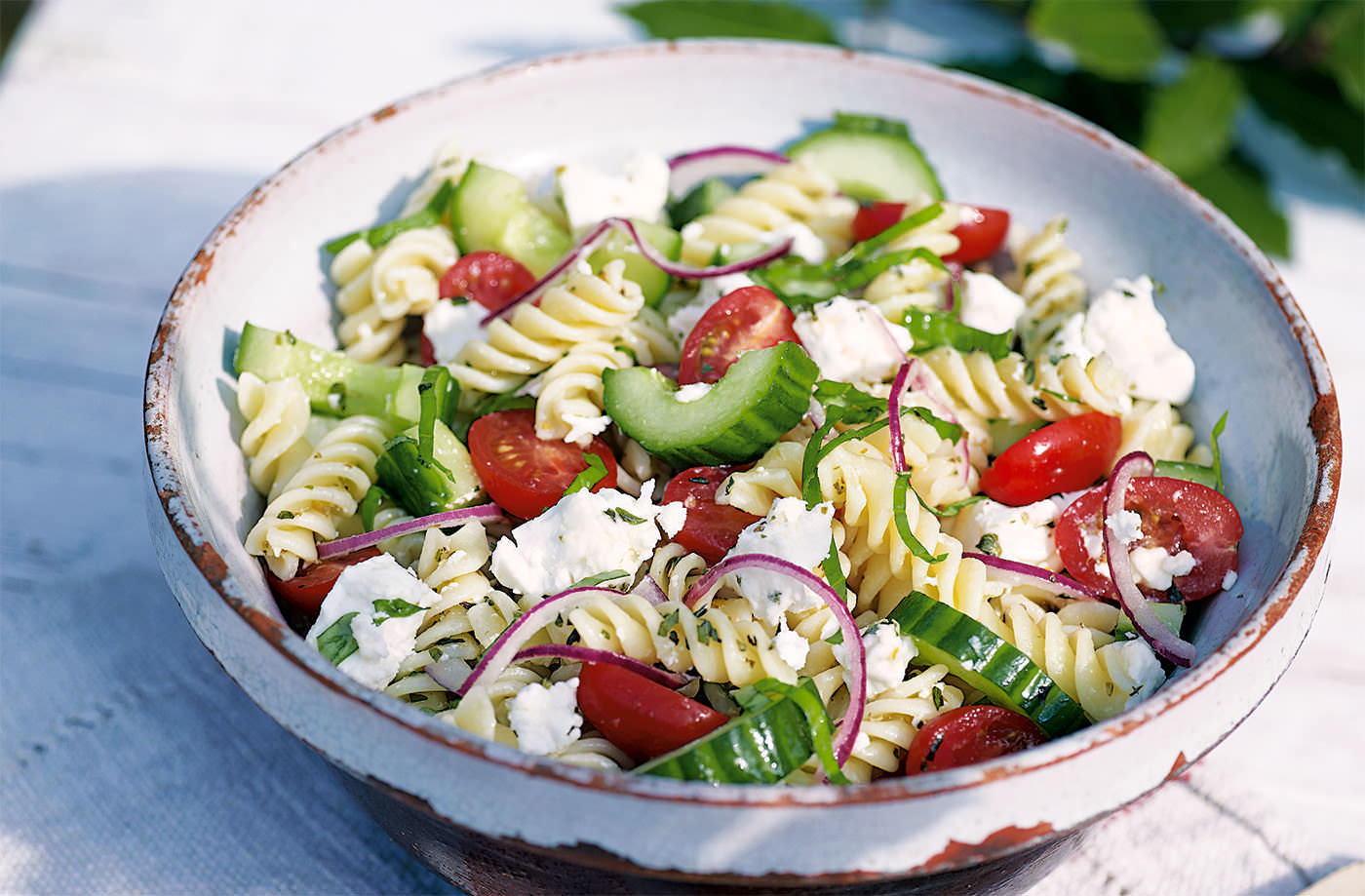
- Greek Pasta Salad Recipe25 Minutes
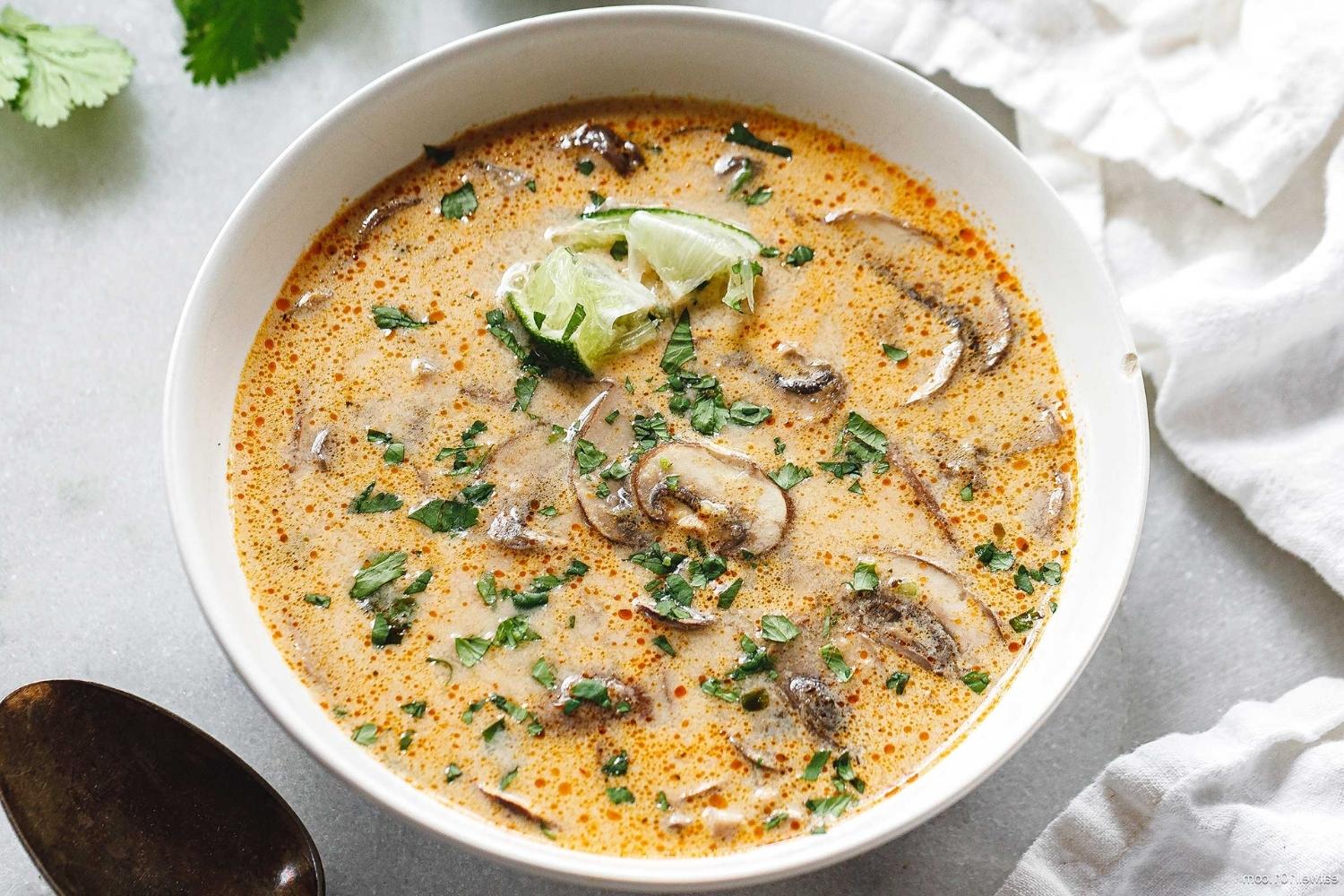
- Thai Coconut Soup Recipe35 Minutes
- Corn Chowder Recipe45 Minutes
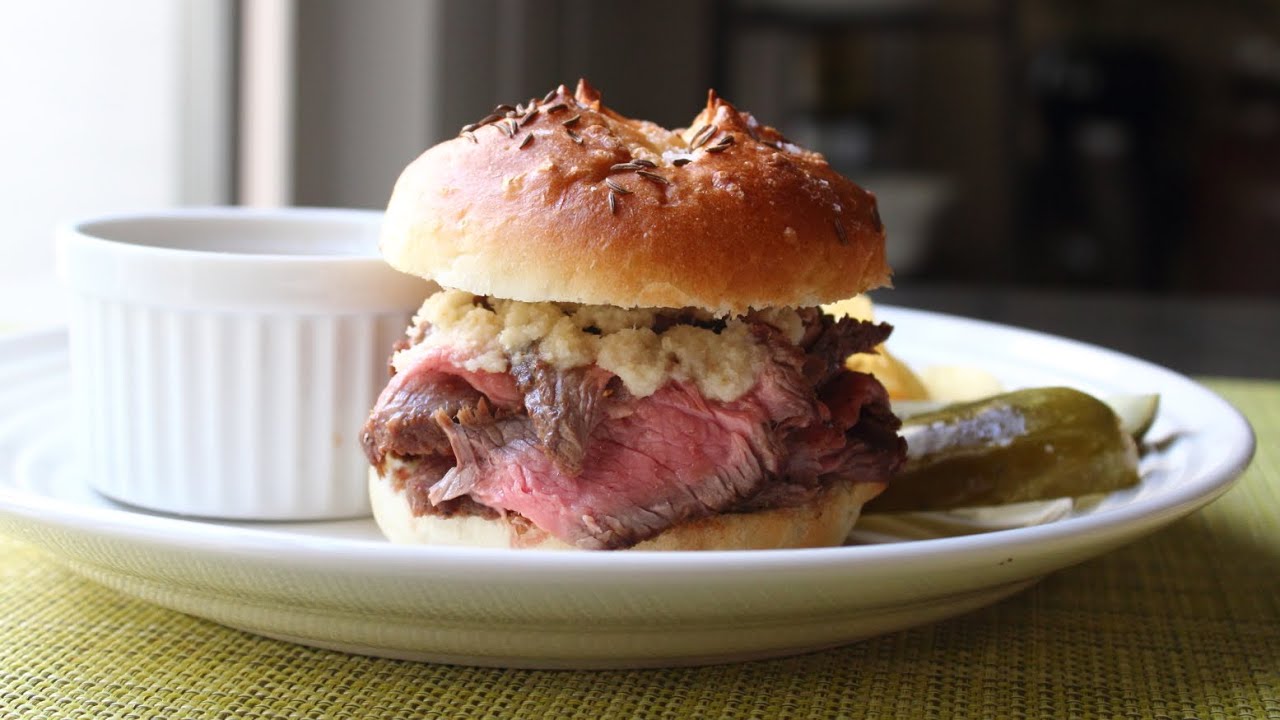
- Beef on Weck Recipe25 Minutes
- Thick Cut Bacon in the Oven Recipe25 Minutes
- Mango Banana Smoothie Recipe10 Minutes
- Seven Layer Salad Recipe20 Minutes
- Greek Yogurt Ranch Dressing Recipe10 Minutes





Leave a Reply