This hearty salmon chowder is a comforting dish perfect for chilly evenings. It combines tender chunks of salmon with a medley of vegetables in a creamy, flavorful broth. The result is a rich and satisfying meal that will warm you from the inside out.
Some ingredients in this recipe may not be commonly found in every household. Fish stock or chicken broth is essential for the base of the chowder, providing depth of flavor. Heavy cream adds richness and creaminess to the dish. Make sure to pick up fresh salmon fillets from the seafood section, and don't forget the bay leaf and dried thyme for seasoning.
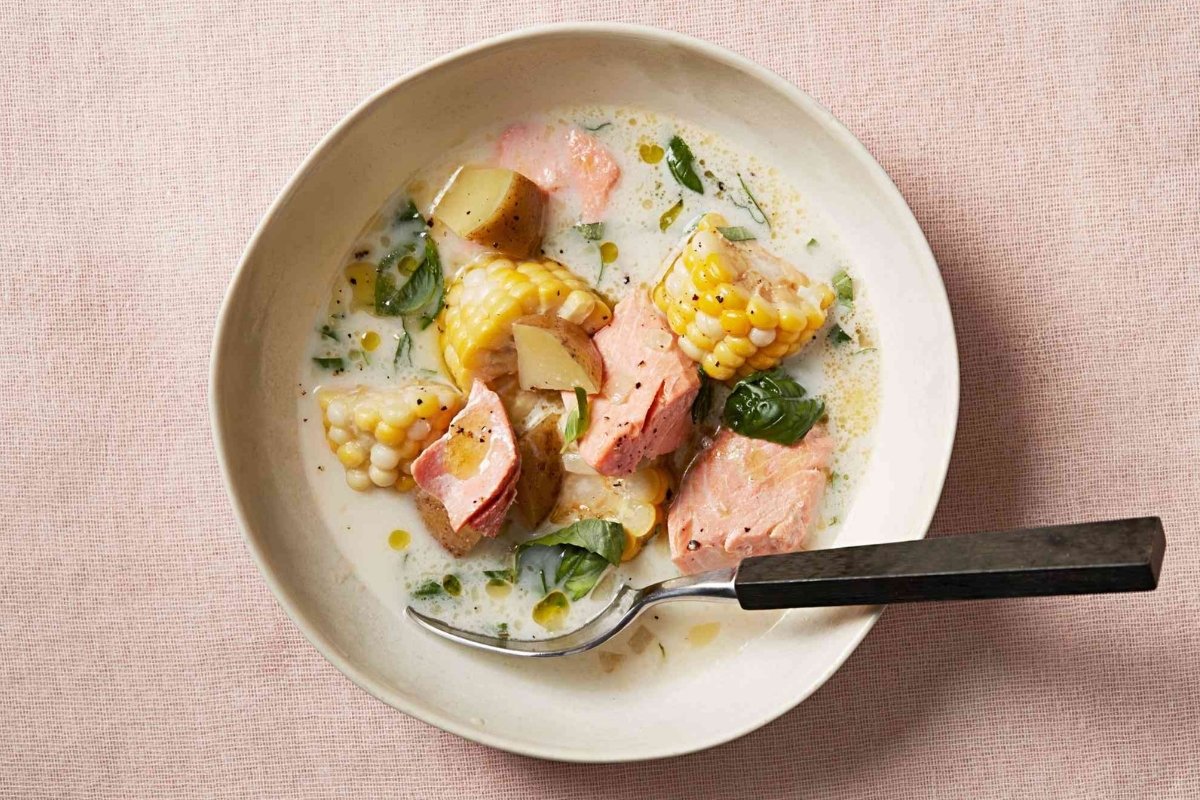
Ingredients For Salmon Chowder Recipe
Salmon fillets: Fresh, skin removed, cut into chunks, providing the main protein for the chowder.
Potatoes: Peeled and diced, they add heartiness and texture to the soup.
Onion: Chopped, it brings a subtle sweetness and depth of flavor.
Celery: Chopped, it adds a slight crunch and aromatic flavor.
Carrots: Chopped, they contribute color and a hint of sweetness.
Fish stock: Or chicken broth, it forms the flavorful base of the chowder.
Heavy cream: Adds richness and a creamy texture to the soup.
Butter: Used for sautéing the vegetables and adding a rich flavor.
All-purpose flour: Helps thicken the chowder to the desired consistency.
Salt: Enhances the overall flavor of the dish.
Black pepper: Adds a touch of heat and seasoning.
Dried thyme: Provides an earthy, aromatic flavor.
Bay leaf: Adds a subtle depth of flavor to the broth.
Fresh parsley: Chopped, it is used for garnish, adding a fresh, vibrant touch.
Technique Tip for Making This Chowder
When adding the flour to the butter and vegetables, make sure to cook it for the full 2 minutes. This step is crucial as it allows the flour to lose its raw taste and helps to create a smooth, creamy base for the chowder. Stir constantly to prevent the flour from burning and to ensure it evenly coats the vegetables.
Suggested Side Dishes
Alternative Ingredients
salmon fillets - Substitute with cod fillets: Cod has a mild flavor and firm texture that works well in chowder.
salmon fillets - Substitute with smoked trout: Smoked trout adds a rich, smoky flavor to the chowder.
potatoes - Substitute with sweet potatoes: Sweet potatoes add a slightly sweet flavor and a different texture.
potatoes - Substitute with cauliflower: Cauliflower provides a low-carb alternative with a similar texture.
onion - Substitute with leeks: Leeks offer a milder, more delicate flavor.
onion - Substitute with shallots: Shallots provide a sweeter and more subtle onion flavor.
celery - Substitute with fennel: Fennel adds a slight anise flavor that complements seafood.
celery - Substitute with bok choy: Bok choy offers a similar crunch and mild flavor.
carrots - Substitute with parsnips: Parsnips have a sweet, earthy flavor that works well in chowder.
carrots - Substitute with butternut squash: Butternut squash adds a sweet and nutty flavor.
fish stock - Substitute with vegetable broth: Vegetable broth provides a vegetarian option with a lighter flavor.
fish stock - Substitute with clam juice: Clam juice enhances the seafood flavor in the chowder.
heavy cream - Substitute with coconut milk: Coconut milk offers a dairy-free alternative with a rich texture.
heavy cream - Substitute with half-and-half: Half-and-half provides a lighter, less rich option.
butter - Substitute with olive oil: Olive oil is a healthier fat option with a distinct flavor.
butter - Substitute with ghee: Ghee has a higher smoke point and a rich, nutty flavor.
all-purpose flour - Substitute with cornstarch: Cornstarch is a gluten-free thickening agent.
all-purpose flour - Substitute with arrowroot powder: Arrowroot powder is a gluten-free thickener that works well in soups.
salt - Substitute with soy sauce: Soy sauce adds umami and saltiness to the chowder.
salt - Substitute with sea salt: Sea salt provides a different mineral content and flavor.
black pepper - Substitute with white pepper: White pepper offers a milder, more subtle heat.
black pepper - Substitute with cayenne pepper: Cayenne pepper adds a spicier kick.
dried thyme - Substitute with fresh thyme: Fresh thyme offers a more vibrant and aromatic flavor.
dried thyme - Substitute with oregano: Oregano provides a different but complementary herbal note.
bay leaf - Substitute with dried basil: Dried basil adds a different herbal flavor that works well in soups.
bay leaf - Substitute with dried sage: Dried sage offers a warm, earthy flavor.
fresh parsley - Substitute with fresh cilantro: Fresh cilantro adds a bright, citrusy flavor.
fresh parsley - Substitute with fresh dill: Fresh dill complements seafood with its distinct flavor.
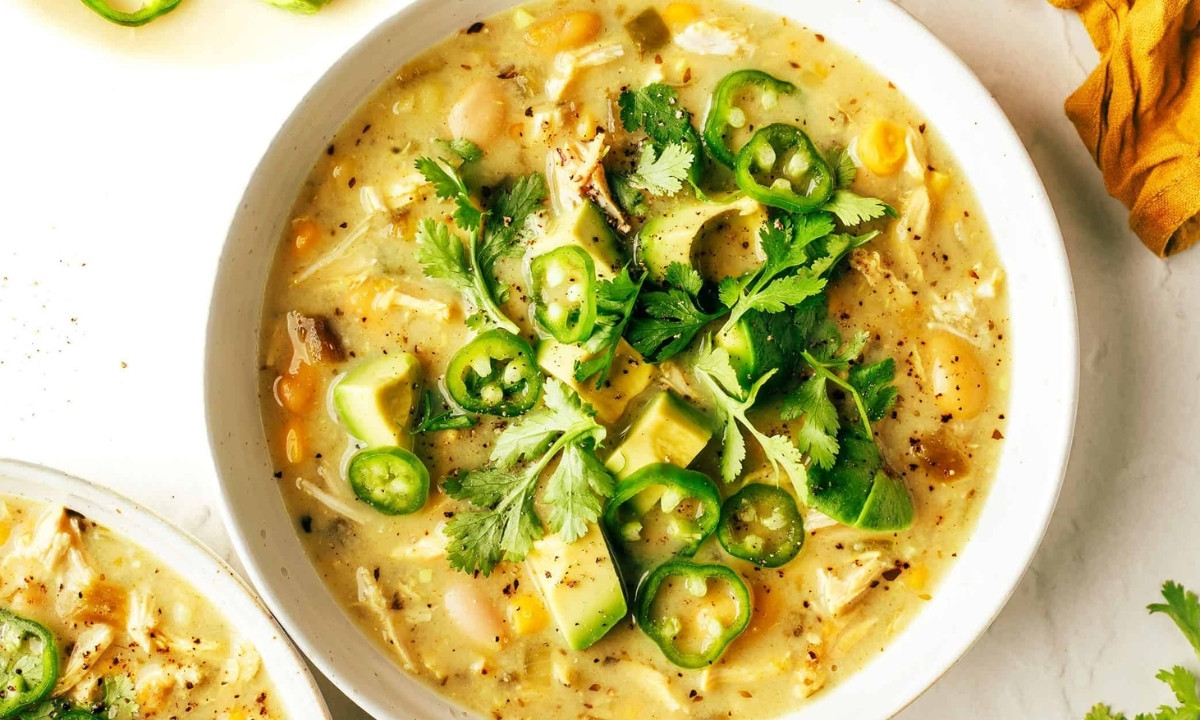
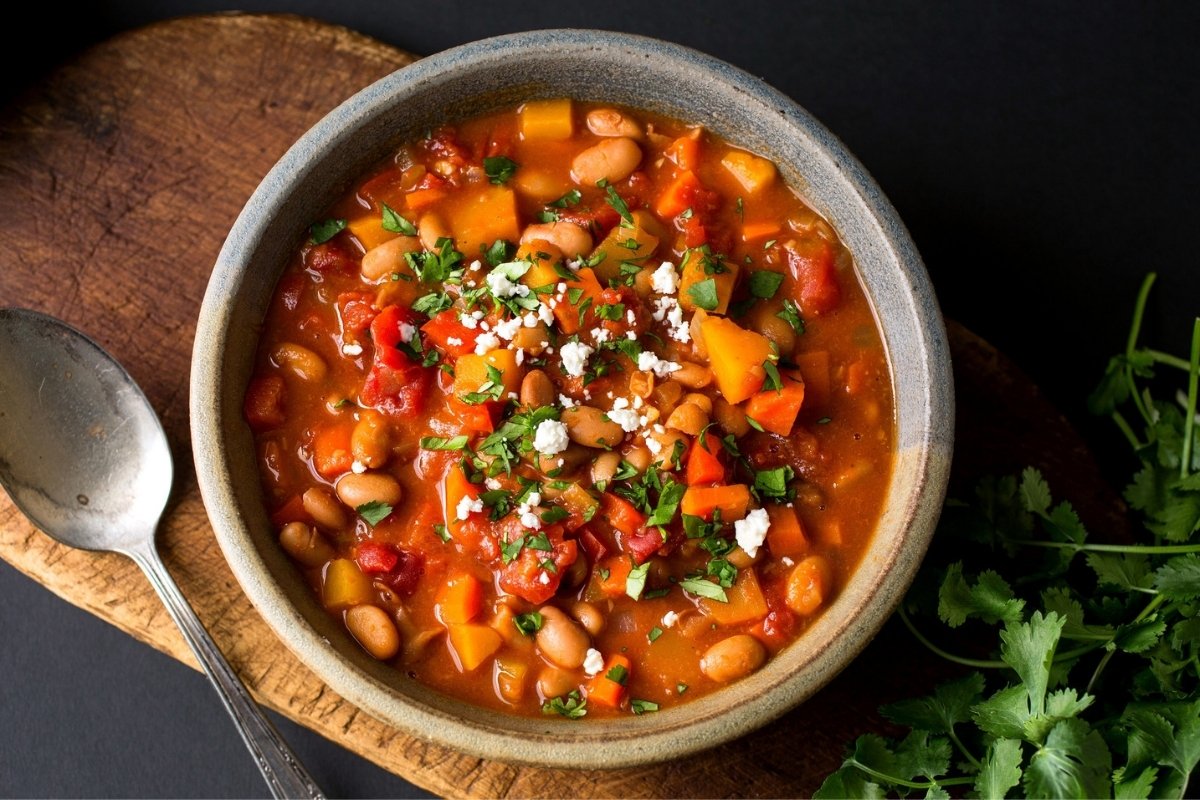
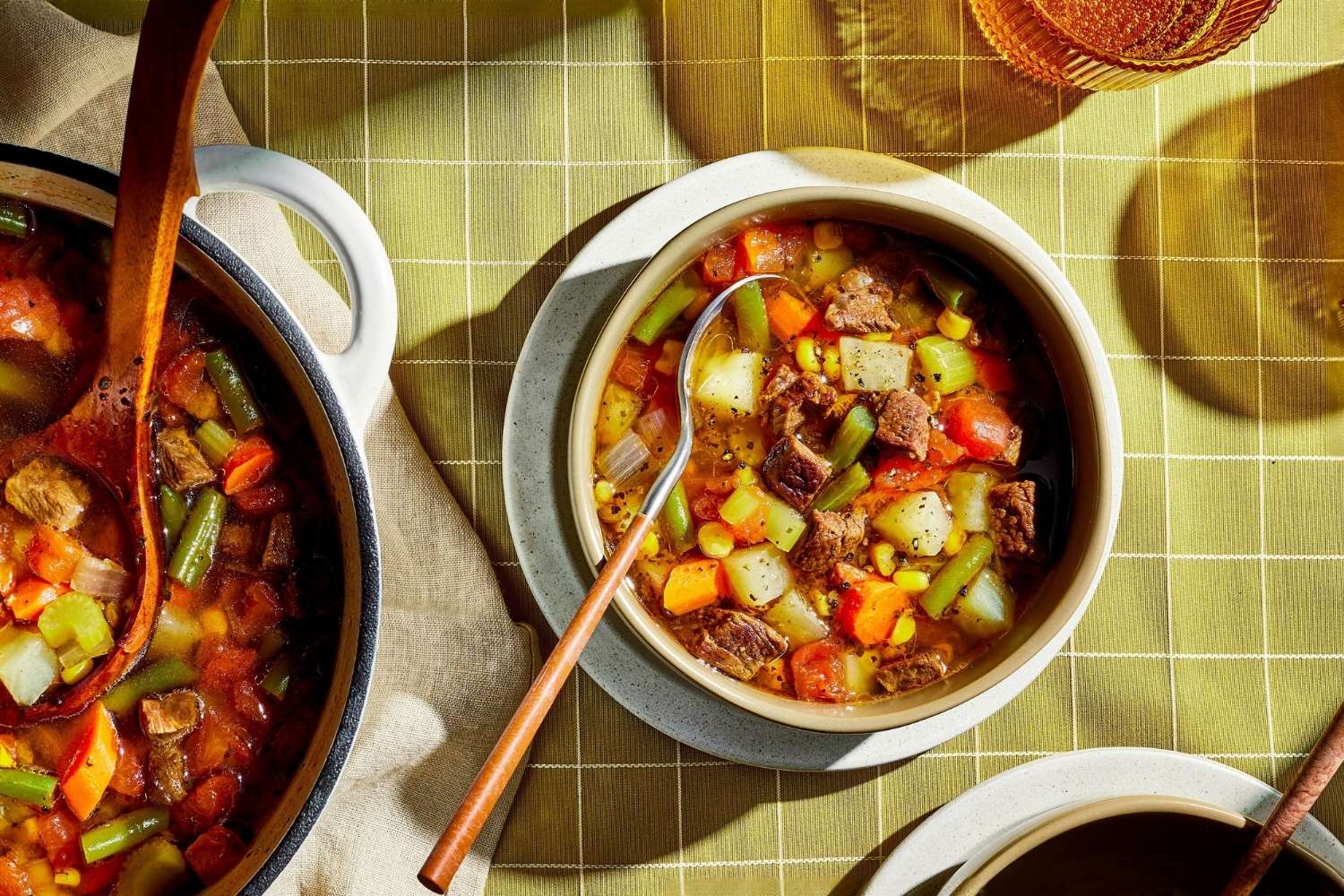
Other Recipes Similar to This Chowder
How to Store or Freeze Your Chowder
- Allow the salmon chowder to cool to room temperature before storing. This helps prevent condensation and keeps the chowder fresh.
- Transfer the chowder into airtight containers. For best results, use containers that are specifically designed for freezing soups and stews.
- If you plan to consume the chowder within a few days, store it in the refrigerator. It will keep well for up to 3-4 days.
- For longer storage, place the airtight containers in the freezer. The chowder can be frozen for up to 2-3 months without losing its flavor and texture.
- When you're ready to enjoy the chowder, thaw it in the refrigerator overnight. This slow thawing process helps maintain the quality of the salmon and vegetables.
- Reheat the chowder gently on the stovetop over medium-low heat. Stir occasionally to ensure even heating and to prevent the cream from curdling.
- If the chowder appears too thick after reheating, add a splash of fish stock or chicken broth to reach your desired consistency.
- Avoid reheating the chowder multiple times, as this can degrade the quality of the salmon and vegetables. Reheat only the portion you plan to consume.
- For added freshness, garnish the reheated chowder with a sprinkle of fresh parsley before serving.
How to Reheat Leftovers
To reheat your salmon chowder on the stovetop, pour the desired amount into a saucepan and heat over medium-low heat. Stir occasionally to ensure even heating and prevent sticking. Heat until the chowder is steaming and the salmon is warmed through, about 10-15 minutes.
For microwave reheating, place a portion of the chowder in a microwave-safe bowl. Cover with a microwave-safe lid or plastic wrap, leaving a small vent for steam to escape. Heat on medium power for 2-3 minutes, stirring halfway through. Continue heating in 1-minute intervals until the chowder is hot.
If you prefer using an oven, preheat to 350°F (175°C). Transfer the chowder to an oven-safe dish and cover with aluminum foil. Bake for about 20-25 minutes, or until the chowder is heated through. Stir halfway to ensure even heating.
For a quick and even reheating method, consider using a double boiler. Place the chowder in the top part of the double boiler and heat over simmering water. Stir occasionally until the chowder is hot, which should take about 10-15 minutes.
If you have a slow cooker, you can reheat the chowder on the low setting. Transfer the chowder to the slow cooker and heat for 1-2 hours, stirring occasionally, until it reaches the desired temperature.
Essential Tools for Making Chowder
Large pot: Used to cook the chowder and combine all ingredients.
Wooden spoon: Ideal for stirring the vegetables and chowder without scratching the pot.
Chef's knife: Essential for chopping the onions, celery, carrots, and potatoes.
Cutting board: Provides a safe surface for chopping vegetables and salmon.
Measuring cups: Used to measure the fish stock or chicken broth and heavy cream accurately.
Measuring spoons: Necessary for measuring the salt, pepper, and dried thyme.
Peeler: Handy for peeling the potatoes before dicing them.
Ladle: Useful for serving the chowder into bowls.
Tongs: Can be used to handle the salmon chunks gently.
Whisk: Helps in stirring the flour into the butter to create a smooth base for the chowder.
How to Save Time on Making This Chowder
Prep ingredients ahead: Chop onion, celery, and carrots the night before and store them in the fridge.
Use pre-cut salmon: Buy salmon fillets that are already cut into chunks to save chopping time.
Instant broth: Use store-bought fish stock or chicken broth to skip making it from scratch.
Microwave potatoes: Partially cook potatoes in the microwave to reduce simmering time.
One-pot method: Use a large pot to cook everything together, minimizing cleanup.
Salmon Chowder Recipe
Ingredients
Main Ingredients
- 1 lb salmon fillets skin removed, cut into chunks
- 2 cups potatoes peeled and diced
- 1 cup onion chopped
- 1 cup celery chopped
- 1 cup carrots chopped
- 3 cups fish stock or chicken broth
- 1 cup heavy cream
- 2 tablespoon butter
- 2 tablespoon all-purpose flour
- 1 teaspoon salt
- 0.5 teaspoon black pepper
- 0.5 teaspoon dried thyme
- 1 bay leaf
- 2 tablespoon fresh parsley chopped
Instructions
- In a large pot, melt butter over medium heat. Add onion, celery, and carrots. Cook until softened, about 5 minutes.
- Stir in flour and cook for another 2 minutes.
- Gradually add fish stock or chicken broth, stirring constantly.
- Add potatoes, thyme, bay leaf, salt, and pepper. Bring to a boil, then reduce heat and simmer for 15 minutes.
- Add salmon chunks and cook for another 10 minutes, until salmon is cooked through.
- Stir in heavy cream and cook for an additional 5 minutes.
- Remove bay leaf, garnish with fresh parsley, and serve hot.
Nutritional Value
Keywords
Suggested Appetizers and Desserts
More Amazing Recipes to Try 🙂
- Mango Banana Smoothie Recipe10 Minutes
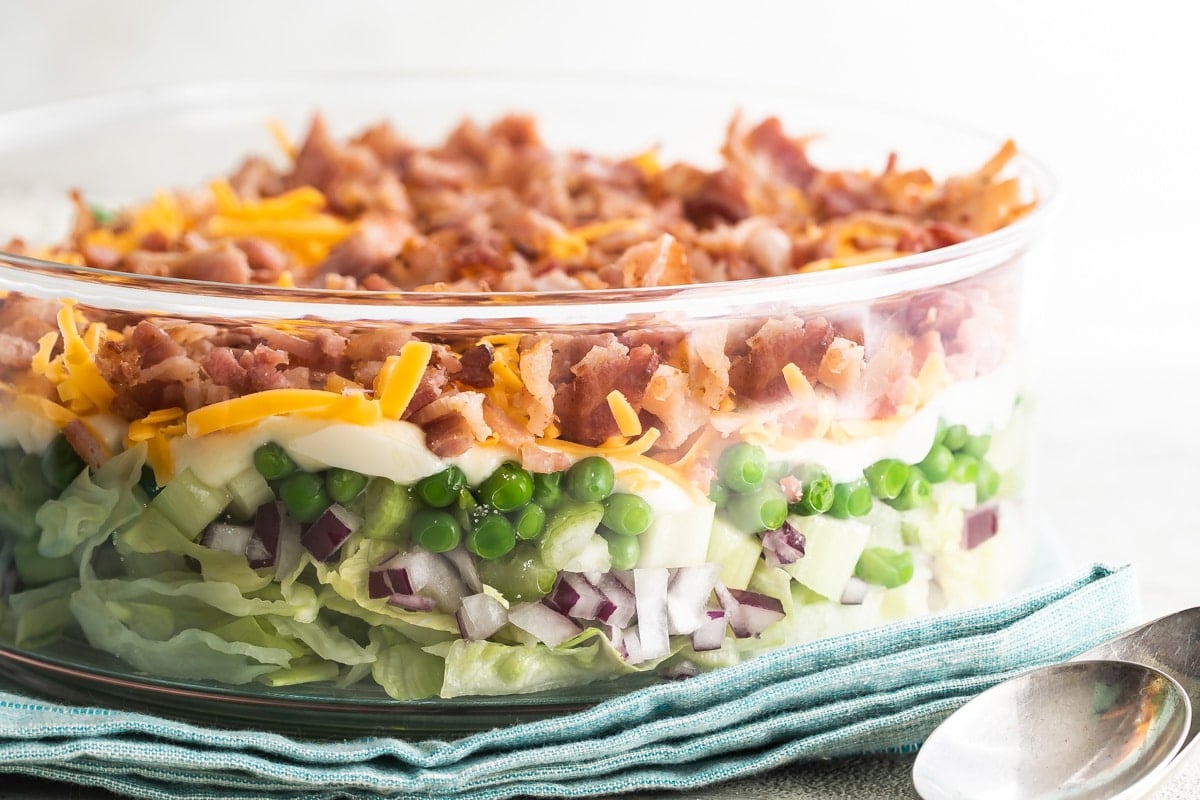
- Seven Layer Salad Recipe20 Minutes
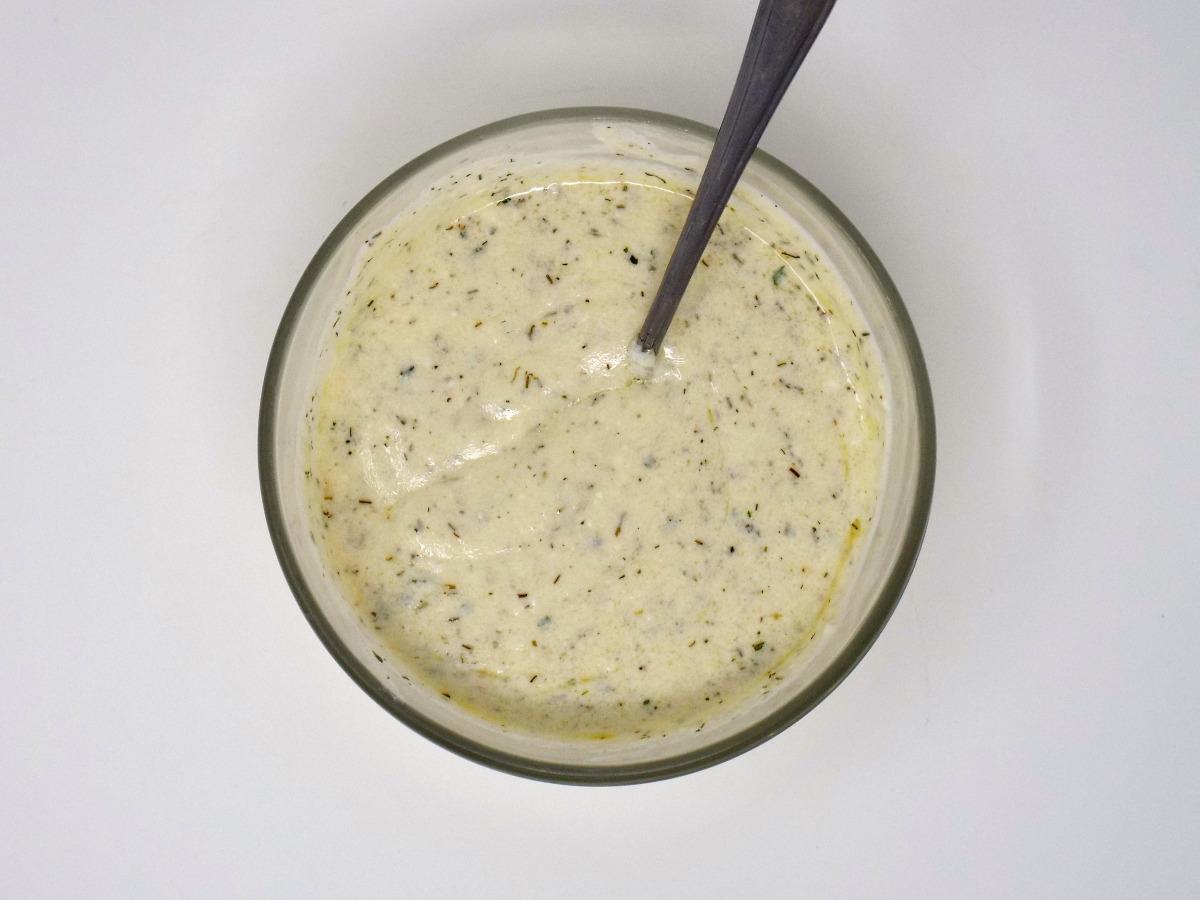
- Greek Yogurt Ranch Dressing Recipe10 Minutes
- Greek Salad Recipe15 Minutes
- Pigs in a Blanket Recipe25 Minutes
- Turkey Wraps Recipe10 Minutes
- White Castle Hamburger Recipe20 Minutes
- Black Bean and Corn Salad Recipe15 Minutes



Leave a Reply