Spaghetti aglio e olio is a classic Italian pasta dish that is simple yet incredibly flavorful. This dish combines the rich taste of olive oil with the aromatic essence of garlic and a hint of heat from red pepper flakes. It's a perfect choice for a quick weeknight dinner or a comforting meal anytime.
While most of the ingredients for spaghetti aglio e olio are common pantry staples, you might need to ensure you have red pepper flakes and fresh parsley. These ingredients add a unique flavor and freshness to the dish, so it's worth picking them up if you don't already have them at home.
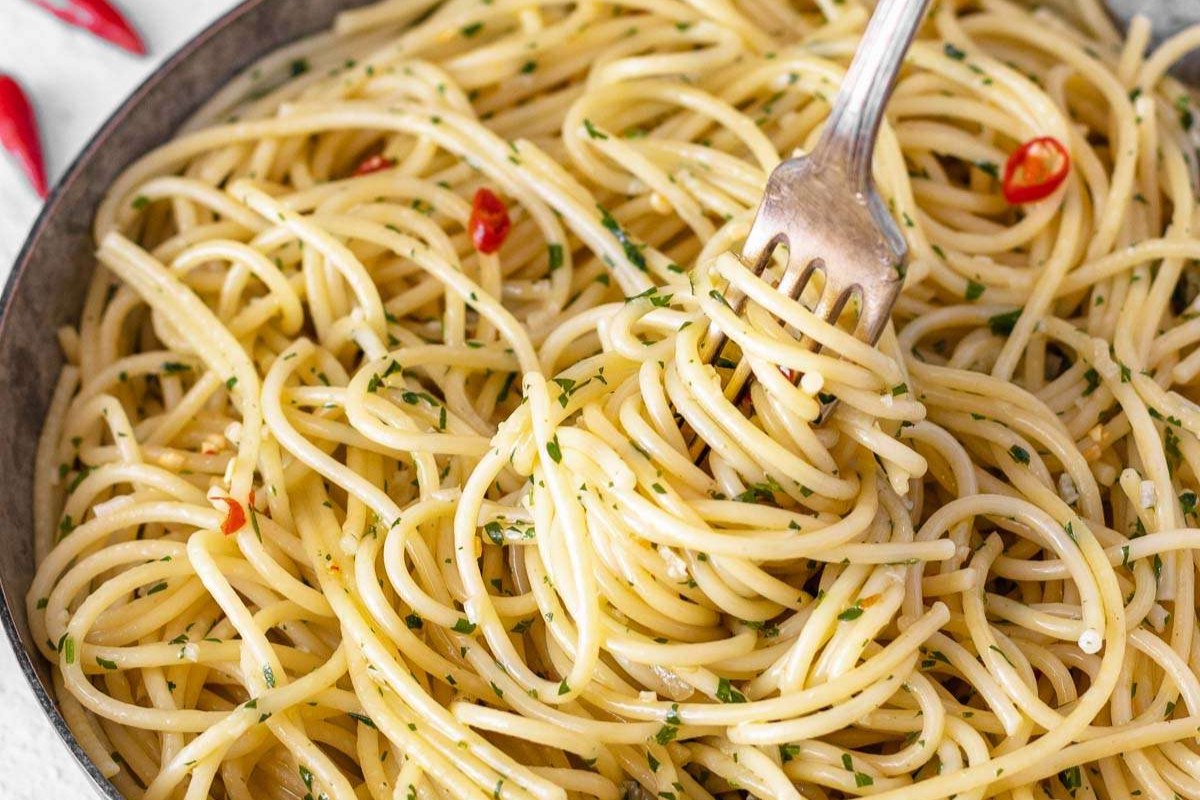
Ingredients For Spaghetti Aglio E Olio
Spaghetti: The main pasta component of the dish, cooked until al dente.
Garlic: Thinly sliced to infuse the olive oil with its rich, aromatic flavor.
Olive oil: The base of the sauce, providing a smooth and rich texture.
Red pepper flakes: Adds a touch of heat and spice to the dish.
Salt: Enhances the overall flavor of the pasta.
Freshly ground black pepper: Adds a subtle kick and depth to the dish.
Parsley: Chopped and added at the end for a fresh, herbaceous note.
Technique Tip for This Recipe
When slicing garlic, aim for uniform thin slices to ensure even cooking and prevent burning. If the garlic cooks too quickly and turns bitter, it can overpower the dish. To achieve this, use a sharp knife and a steady hand. Additionally, when heating the olive oil, start on medium heat and adjust as needed to avoid overheating, which can also cause the garlic to burn. This careful attention to the garlic will enhance the overall flavor of your spaghetti aglio e olio.
Suggested Side Dishes
Alternative Ingredients
spaghetti - Substitute with linguine: Linguine has a similar texture and shape, making it a good alternative for this dish.
spaghetti - Substitute with zucchini noodles: For a low-carb option, zucchini noodles can mimic the texture of spaghetti.
garlic - Substitute with shallots: Shallots provide a milder, slightly sweeter flavor that can complement the dish well.
garlic - Substitute with garlic powder: If fresh garlic is unavailable, garlic powder can provide a similar flavor, though it won't have the same texture.
olive oil - Substitute with avocado oil: Avocado oil has a high smoke point and a mild flavor, making it a good alternative for cooking.
olive oil - Substitute with grapeseed oil: Grapeseed oil is another neutral oil that can be used in place of olive oil.
red pepper flakes - Substitute with cayenne pepper: Cayenne pepper can add a similar level of heat to the dish.
red pepper flakes - Substitute with fresh chili: Fresh chili can provide a more vibrant heat and a slightly different texture.
salt - Substitute with soy sauce: Soy sauce can add a salty and umami flavor to the dish, though it will change the overall taste slightly.
salt - Substitute with sea salt: Sea salt can be used as a direct substitute for regular salt, providing a slightly different mineral flavor.
freshly ground black pepper - Substitute with white pepper: White pepper has a slightly different flavor but can be used similarly to black pepper.
freshly ground black pepper - Substitute with pink peppercorns: Pink peppercorns offer a milder, fruitier flavor compared to black pepper.
parsley - Substitute with basil: Basil can provide a fresh, aromatic flavor that complements the dish well.
parsley - Substitute with cilantro: Cilantro offers a different but equally fresh and vibrant flavor that can work in this dish.
Other Alternative Recipes Similar to This Dish
How to Store or Freeze This Dish
- Allow the spaghetti aglio e olio to cool to room temperature before storing. This prevents condensation, which can make the pasta soggy.
- Transfer the cooled spaghetti into an airtight container. If you have a large batch, consider dividing it into smaller portions for easier reheating.
- Store the container in the refrigerator. The spaghetti will keep well for up to 3-4 days.
- For longer storage, place the spaghetti in a freezer-safe container or a resealable plastic bag. Squeeze out as much air as possible to prevent freezer burn.
- Label the container or bag with the date to keep track of its freshness. Frozen spaghetti aglio e olio can last up to 2 months.
- When ready to eat, thaw the frozen spaghetti overnight in the refrigerator.
- Reheat the spaghetti in a skillet over medium heat. Add a splash of olive oil or a bit of reserved pasta water to help loosen the noodles and restore the sauce's consistency.
- Stir occasionally to ensure even heating. If the spaghetti seems dry, add more olive oil or a small amount of water.
- Garnish with fresh parsley and a sprinkle of red pepper flakes before serving to refresh the flavors.
How to Reheat Leftovers
Stovetop Method:
- Place a skillet over medium heat and add a splash of olive oil.
- Add the leftover spaghetti to the skillet.
- Toss the spaghetti gently to coat it with the olive oil.
- Add a bit of reserved pasta water or plain water to help rehydrate the pasta and create a light sauce.
- Heat until the spaghetti is warmed through, stirring occasionally to prevent sticking.
- Season with a pinch of salt and freshly ground black pepper if needed.
- Garnish with a sprinkle of chopped parsley before serving.
Microwave Method:
- Place the leftover spaghetti in a microwave-safe dish.
- Add a splash of olive oil and a bit of reserved pasta water or plain water to the dish.
- Cover the dish with a microwave-safe lid or plastic wrap, leaving a small vent for steam to escape.
- Microwave on medium power for 1-2 minutes, stirring halfway through to ensure even heating.
- Check if the spaghetti is heated through. If not, continue microwaving in 30-second intervals.
- Season with a pinch of salt and freshly ground black pepper if needed.
- Garnish with a sprinkle of chopped parsley before serving.
Oven Method:
- Preheat your oven to 350°F (175°C).
- Place the leftover spaghetti in an oven-safe dish.
- Add a splash of olive oil and a bit of reserved pasta water or plain water to the dish.
- Cover the dish with aluminum foil to prevent the pasta from drying out.
- Bake in the preheated oven for about 15-20 minutes, or until the spaghetti is heated through.
- Remove from the oven and carefully uncover the dish.
- Season with a pinch of salt and freshly ground black pepper if needed.
- Garnish with a sprinkle of chopped parsley before serving.
Best Tools for This Recipe
Large pot: Used to cook the spaghetti in salted boiling water until al dente.
Skillet: Used to heat olive oil and cook the garlic and red pepper flakes.
Tongs: Useful for tossing the spaghetti in the skillet to coat it with the oil and garlic mixture.
Measuring cups: Used to measure the olive oil and reserved pasta water accurately.
Chef's knife: Essential for slicing the garlic thinly and chopping the parsley.
Cutting board: Provides a safe surface for slicing garlic and chopping parsley.
Colander: Used to drain the cooked spaghetti.
Wooden spoon: Helpful for stirring the garlic and red pepper flakes in the skillet.
Pepper mill: Used to freshly grind black pepper for seasoning.
Serving bowl: Ideal for serving the finished spaghetti aglio e olio.
How to Save Time on This Recipe
Prep ingredients ahead: Slice the garlic and chop the parsley in advance to streamline the cooking process.
Use pre-measured spices: Measure out the red pepper flakes, salt, and black pepper before you start cooking.
Boil water early: Start boiling the water for the spaghetti while you prep other ingredients to save time.
Reserve pasta water: Use a measuring cup to reserve the pasta water before draining to avoid scrambling later.
Cook in batches: If making a large quantity, cook the spaghetti in batches to ensure even cooking.
Spaghetti Aglio e Olio
Ingredients
Main Ingredients
- 400 g Spaghetti
- 6 cloves Garlic sliced thin
- ½ cup Olive Oil
- 1 teaspoon Red Pepper Flakes
- to taste Salt
- to taste Black Pepper freshly ground
- ¼ cup Parsley chopped
Instructions
- 1. Cook spaghetti in a large pot of salted boiling water until al dente. Reserve 1 cup of pasta water and drain the rest.
- 2. In a skillet, heat olive oil over medium heat. Add garlic and red pepper flakes, and cook until garlic is golden brown.
- 3. Add the cooked spaghetti to the skillet. Toss to coat in the oil and garlic mixture. Add reserved pasta water as needed to create a sauce.
- 4. Season with salt and freshly ground black pepper. Toss in chopped parsley before serving.
Nutritional Value
Keywords
Suggested Appetizers and Desserts
More Amazing Recipes to Try 🙂
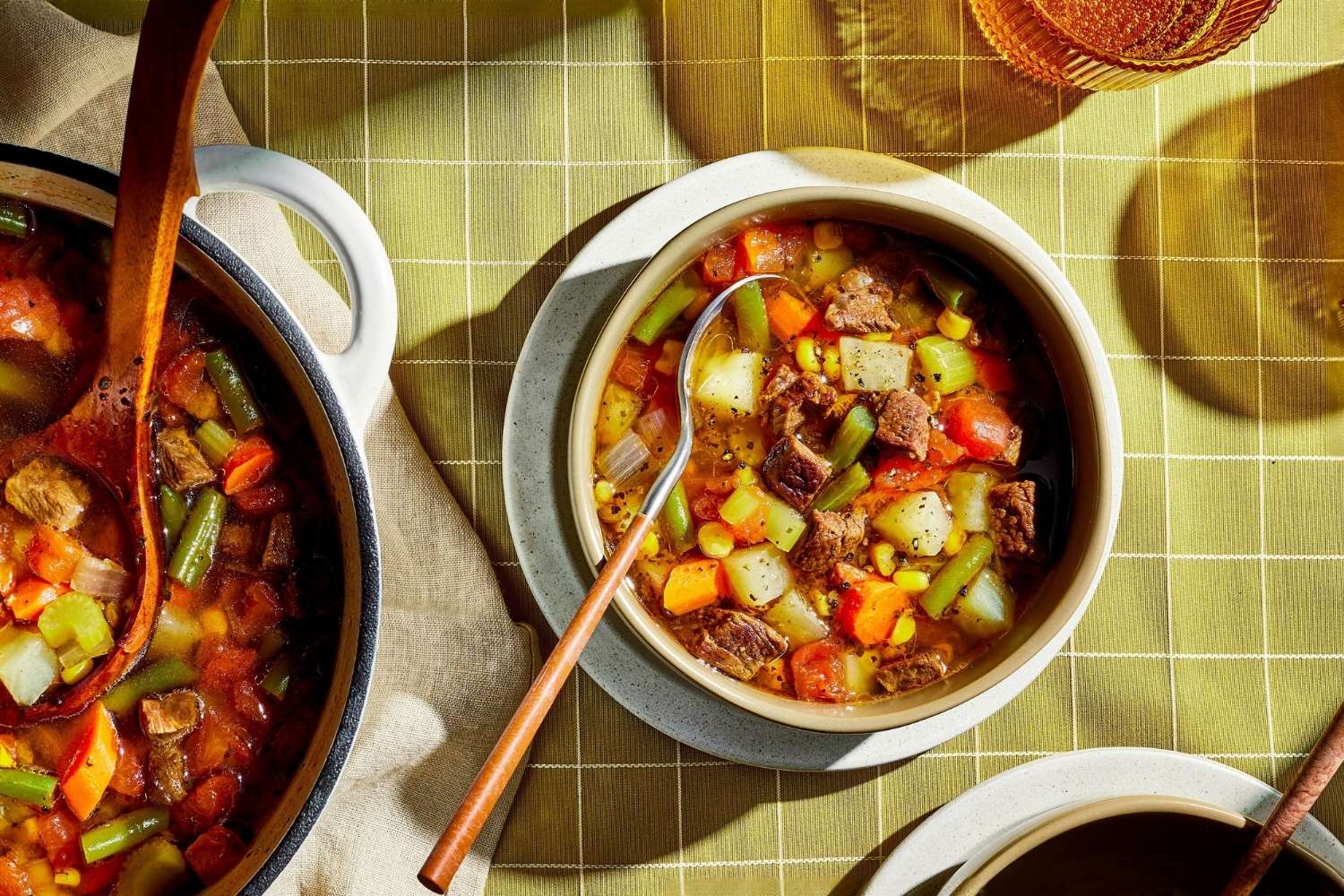
- Vegetable Beef Soup Recipe1 Hours 50 Minutes
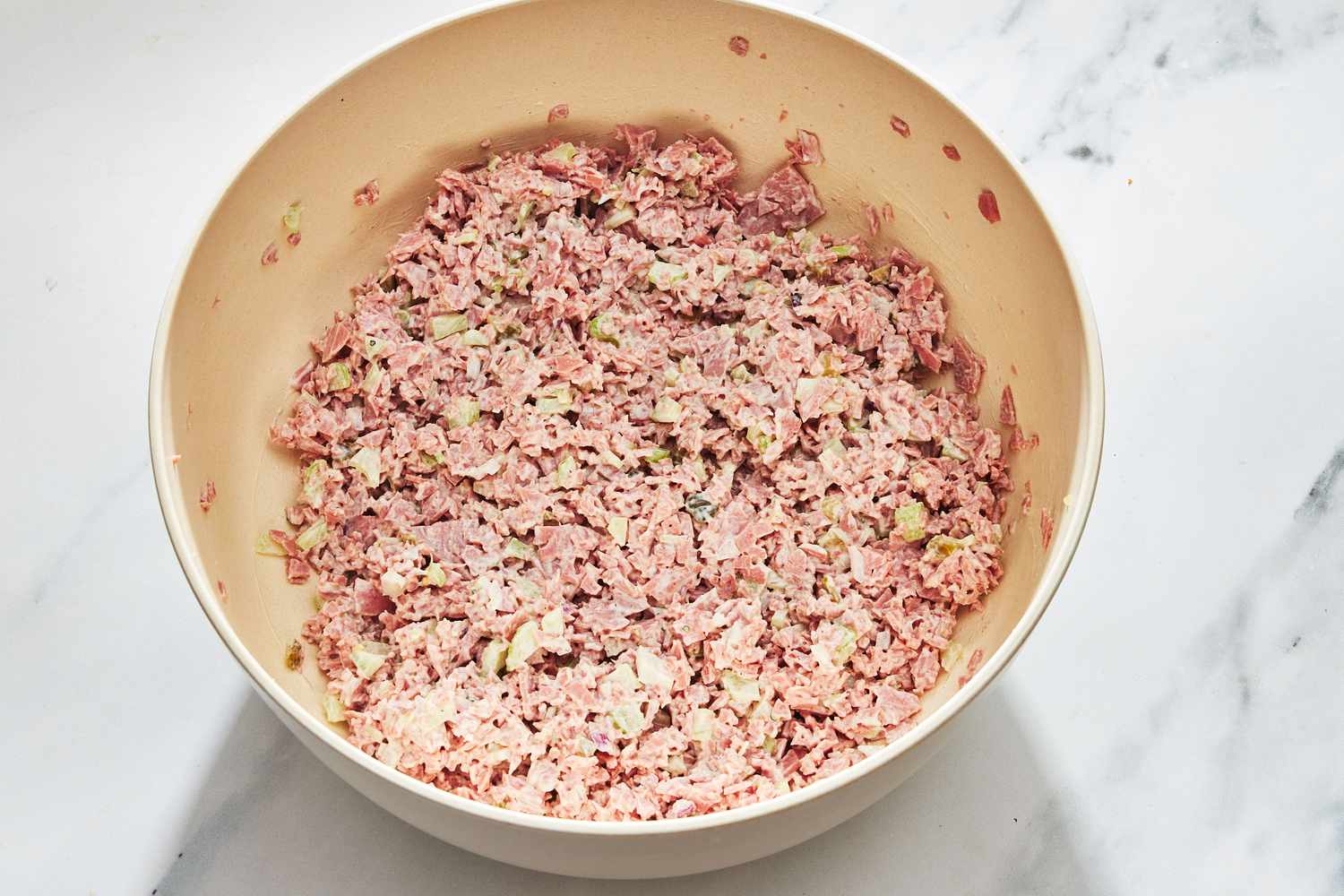
- Bologna Salad Sandwich Spread Recipe10 Minutes
- Cream of Chicken Soup Recipe45 Minutes
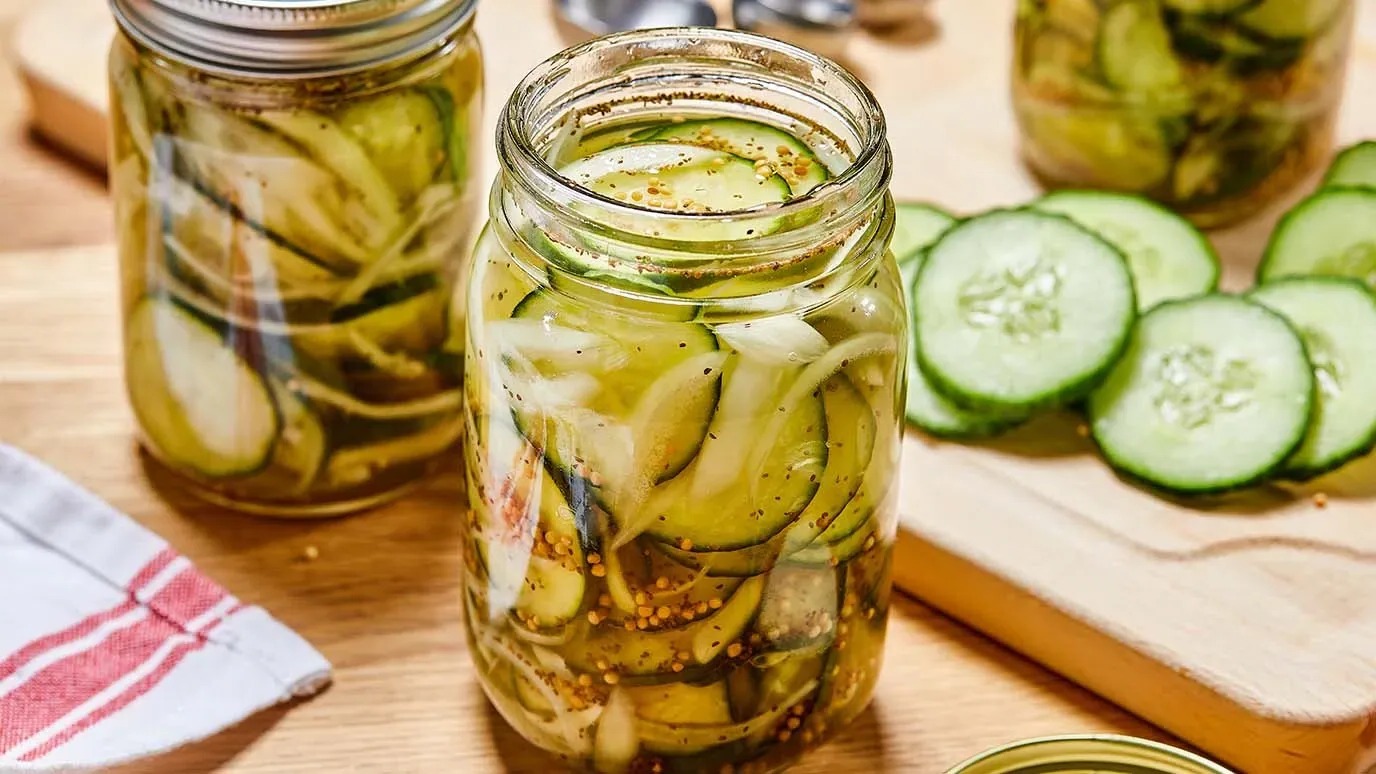
- Sweet Pickles Recipe25 Minutes
- White Russian Cocktail Recipe5 Minutes
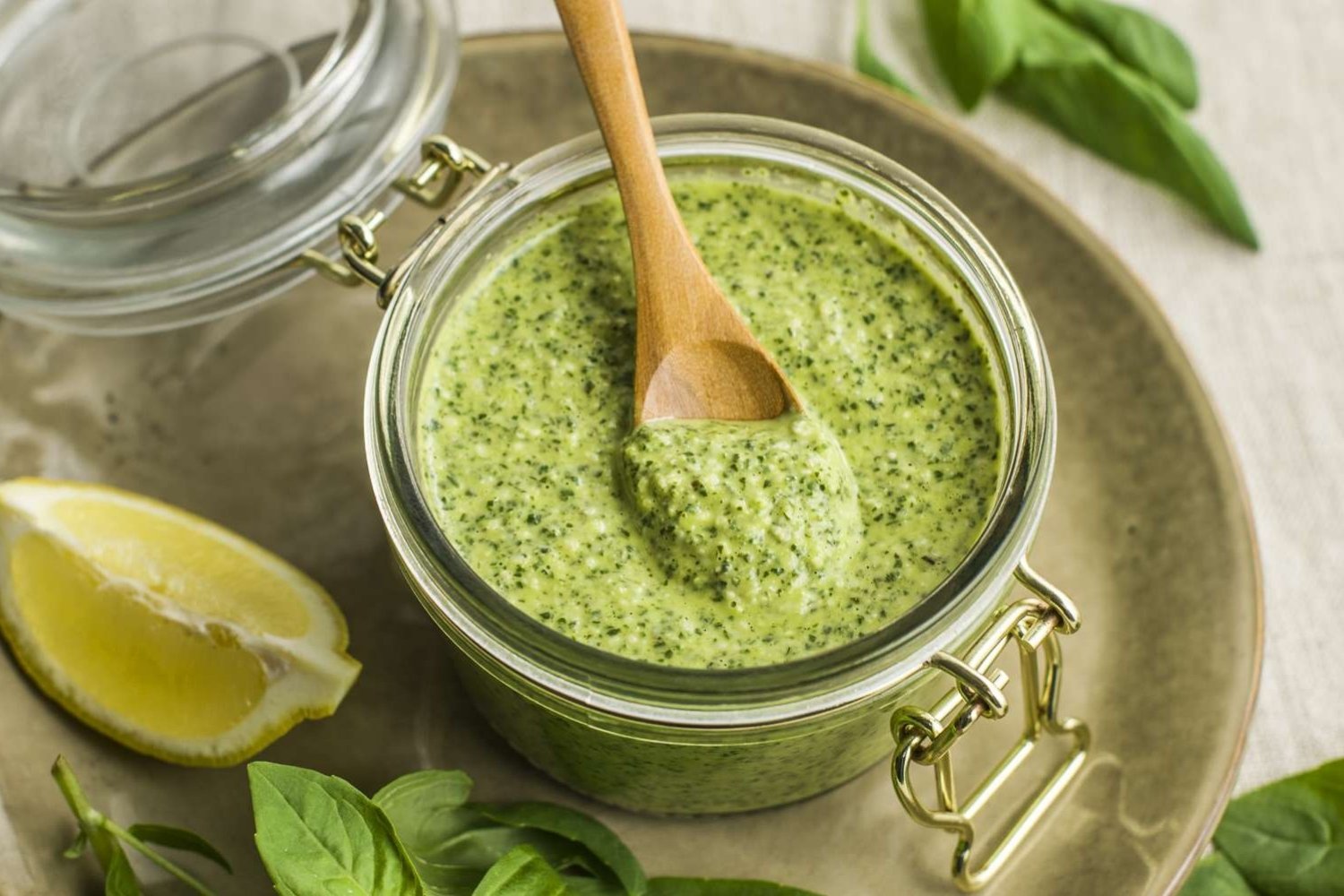
- Pesto Sauce Recipe10 Minutes
- Scones Recipe30 Minutes
- Restaurant Style Mango Lassi Recipe10 Minutes






Leave a Reply