Dive into the world of Korean cuisine with this spicy cabbage kimchi recipe. This traditional dish is known for its bold flavors and health benefits, making it a staple in many households. Perfect for adding a spicy kick to any meal, this kimchi is both delicious and easy to prepare.
Some ingredients in this recipe might not be commonly found in every household. Gochugaru, or Korean red chili pepper flakes, is essential for authentic kimchi and can be found in Asian supermarkets or online. Fish sauce adds a unique umami flavor and is also available in the international aisle of most grocery stores. Make sure to get Napa cabbage, which is different from regular cabbage, and Daikon radish, a large white radish often used in Asian cooking.
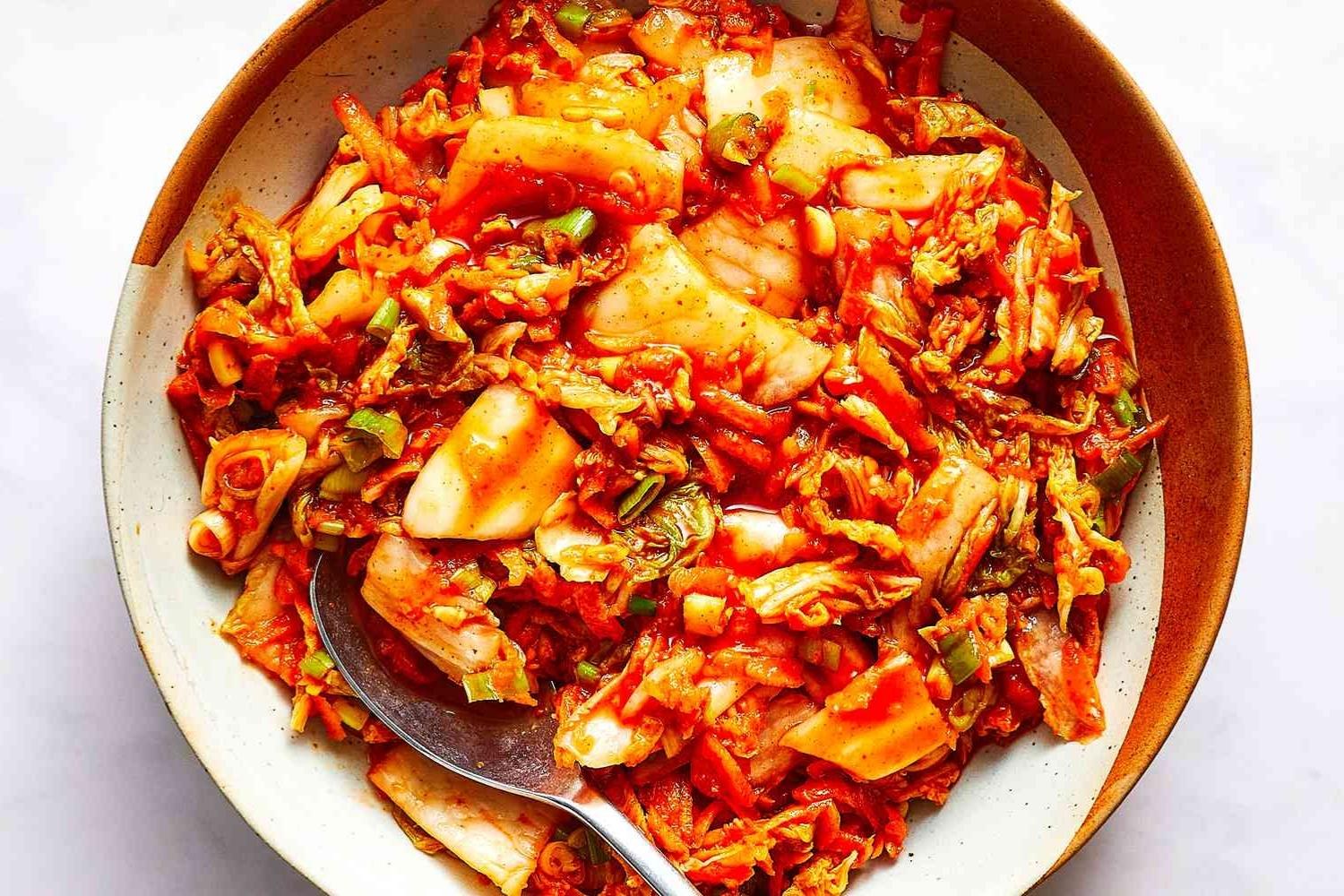
Ingredients For Spicy Cabbage Kimchi Recipe
Napa cabbage: A type of Chinese cabbage that is tender and perfect for kimchi.
Daikon radish: A large, white radish that adds crunch and a mild peppery flavor.
Garlic: Adds a pungent and aromatic flavor to the kimchi.
Ginger: Provides a warm, spicy undertone that complements the other flavors.
Gochugaru: Korean red chili pepper flakes that give the kimchi its signature heat and color.
Fish sauce: Adds a deep umami flavor essential for authentic kimchi.
Sugar: Balances the heat and adds a slight sweetness.
Salt: Draws out moisture from the cabbage and helps in the fermentation process.
Green onions: Adds a fresh, mild onion flavor and a bit of crunch.
Technique Tip for Making Kimchi
When preparing napa cabbage for kimchi, it's crucial to ensure that the cabbage is thoroughly salted and allowed to sit for the recommended 1-2 hours. This step draws out excess moisture, which helps the cabbage maintain its crunch during fermentation. After salting, rinse the cabbage well to remove any excess salt, as this can affect the overall flavor balance of your kimchi. Additionally, when mixing the cabbage with the spice mixture, use gloves to protect your hands from the chili pepper flakes and to ensure even coating. This will ensure that every bite of your kimchi is packed with flavor.
Suggested Side Dishes
Alternative Ingredients
napa cabbage - Substitute with green cabbage: Green cabbage has a similar texture and can be used in place of napa cabbage, though it may be slightly tougher.
daikon radish - Substitute with regular radish: Regular radishes can provide a similar crunch and peppery flavor, though they are smaller and slightly spicier.
garlic - Substitute with garlic powder: Garlic powder can be used in place of fresh garlic, though it will lack the same pungency and texture.
ginger - Substitute with ground ginger: Ground ginger can be used as a substitute for fresh ginger, though it will have a slightly different flavor profile.
korean red chili pepper flakes (gochugaru) - Substitute with red pepper flakes: Red pepper flakes can provide heat, though they lack the specific flavor and color of gochugaru.
fish sauce - Substitute with soy sauce: Soy sauce can provide a similar umami flavor, though it will not have the same depth as fish sauce.
sugar - Substitute with honey: Honey can be used as a sweetener in place of sugar, though it will add a slightly different flavor.
salt - Substitute with sea salt: Sea salt can be used in place of regular salt, providing a similar level of salinity.
green onions - Substitute with chives: Chives can provide a similar mild onion flavor and can be used as a substitute for green onions.
Alternative Recipes Similar to This Kimchi
How to Store or Freeze Your Kimchi
- For optimal freshness, store your kimchi in an airtight container. Glass jars with tight-fitting lids are ideal.
- Ensure the kimchi is fully submerged in its own juices to prevent exposure to air, which can lead to spoilage.
- Keep the container in the refrigerator. The cool temperature slows down the fermentation process, allowing the kimchi to develop its flavors over time.
- If you prefer a milder taste, consume the kimchi within the first 2-3 weeks. For a more intense, tangy flavor, let it age for a month or more.
- To freeze kimchi, transfer it to a freezer-safe container, leaving some space at the top for expansion. This prevents the container from cracking.
- Label the container with the date of preparation. Frozen kimchi can be stored for up to 6 months.
- When ready to use, thaw the kimchi in the refrigerator overnight. Avoid microwaving as it can alter the texture and flavor.
- Once thawed, consume the kimchi within a week for the best taste and texture.
- Always use clean utensils when handling kimchi to prevent contamination and extend its shelf life.
- If you notice any off smells, unusual colors, or mold, discard the kimchi immediately.
How to Reheat Leftovers
Stovetop Method:
- Heat a non-stick skillet over medium heat.
- Add a small amount of sesame oil to the pan.
- Add the kimchi and stir-fry for 3-5 minutes until heated through.
- Optionally, add a splash of water or broth to create a bit of steam and prevent sticking.
Microwave Method:
- Place the kimchi in a microwave-safe dish.
- Cover the dish with a microwave-safe lid or plastic wrap with a small vent.
- Microwave on high for 1-2 minutes, stirring halfway through.
- Let it sit for a minute before serving to allow the heat to distribute evenly.
Oven Method:
- Preheat your oven to 350°F (175°C).
- Spread the kimchi evenly in an oven-safe dish.
- Cover the dish with aluminum foil to retain moisture.
- Bake for 10-15 minutes until heated through.
Steaming Method:
- Fill a steamer pot with water and bring it to a boil.
- Place the kimchi in a heatproof dish or bowl.
- Set the dish in the steamer basket.
- Cover and steam for 5-7 minutes until thoroughly heated.
Sous Vide Method:
- Preheat your sous vide machine to 140°F (60°C).
- Place the kimchi in a vacuum-sealed bag or a ziplock bag using the water displacement method.
- Submerge the bag in the water bath and cook for 30-45 minutes.
- Remove from the bag and serve immediately.
Essential Tools for Making Kimchi
Large bowl: Used to combine the cabbage and salt, allowing the cabbage to soften.
Separate bowl: Used to mix the garlic, ginger, gochugaru, fish sauce, sugar, and radish.
Knife: Essential for cutting the napa cabbage into bite-sized pieces and chopping the green onions.
Cutting board: Provides a stable surface for cutting the cabbage and green onions.
Gloves: Protects your hands from the chili pepper flakes while mixing the ingredients.
Jar: Used to pack the kimchi, ensuring it is pressed down to remove air bubbles and allowing space for expansion during fermentation.
Grater: Used to grate the ginger.
Measuring spoons: Ensures accurate measurement of ingredients like fish sauce, sugar, and salt.
Mixing spoon: Helps in thoroughly mixing the cabbage with the spice mixture.
Time-Saving Tips for Making Kimchi
Pre-cut vegetables: Pre-cut the napa cabbage, daikon radish, and green onions in advance to save time during preparation.
Use a food processor: Mince the garlic and grate the ginger using a food processor to speed up the process.
Batch preparation: Make a larger batch of kimchi and store it in the refrigerator, so you have it ready for future meals.
Pre-mix spices: Combine the gochugaru, fish sauce, and sugar ahead of time to streamline the mixing process.
Spicy Cabbage Kimchi Recipe
Ingredients
Main Ingredients
- 1 large Napa cabbage cut into bite-sized pieces
- 1 medium Daikon radish julienned
- 4 cloves Garlic minced
- 1 tablespoon Ginger grated
- 4 tablespoon Korean red chili pepper flakes (gochugaru)
- 2 tablespoon Fish sauce
- 2 teaspoon Sugar
- 2 teaspoon Salt
- 4 stalks Green onions chopped
Instructions
- 1. In a large bowl, combine the cabbage and salt. Let it sit for 1-2 hours until the cabbage softens. Rinse and drain well.
- 2. In a separate bowl, mix the garlic, ginger, gochugaru, fish sauce, sugar, and radish.
- 3. Add the cabbage and green onions to the spice mixture. Mix well, ensuring the cabbage is thoroughly coated. Use gloves to protect your hands from the chili.
- 4. Pack the kimchi into a jar, pressing down to remove air bubbles. Leave some space at the top for expansion.
- 5. Let it ferment at room temperature for 1-5 days, checking daily and pressing down if needed. Once fermented to your liking, refrigerate.
Nutritional Value
Keywords
More Amazing Recipes to Try 🙂
- Fajita Seasoning Recipe5 Minutes
- Clotted Cream Recipe12 Hours 5 Minutes
- Bread and Butter Pickles Recipe25 Minutes
- Manhattan Cocktail Recipe5 Minutes
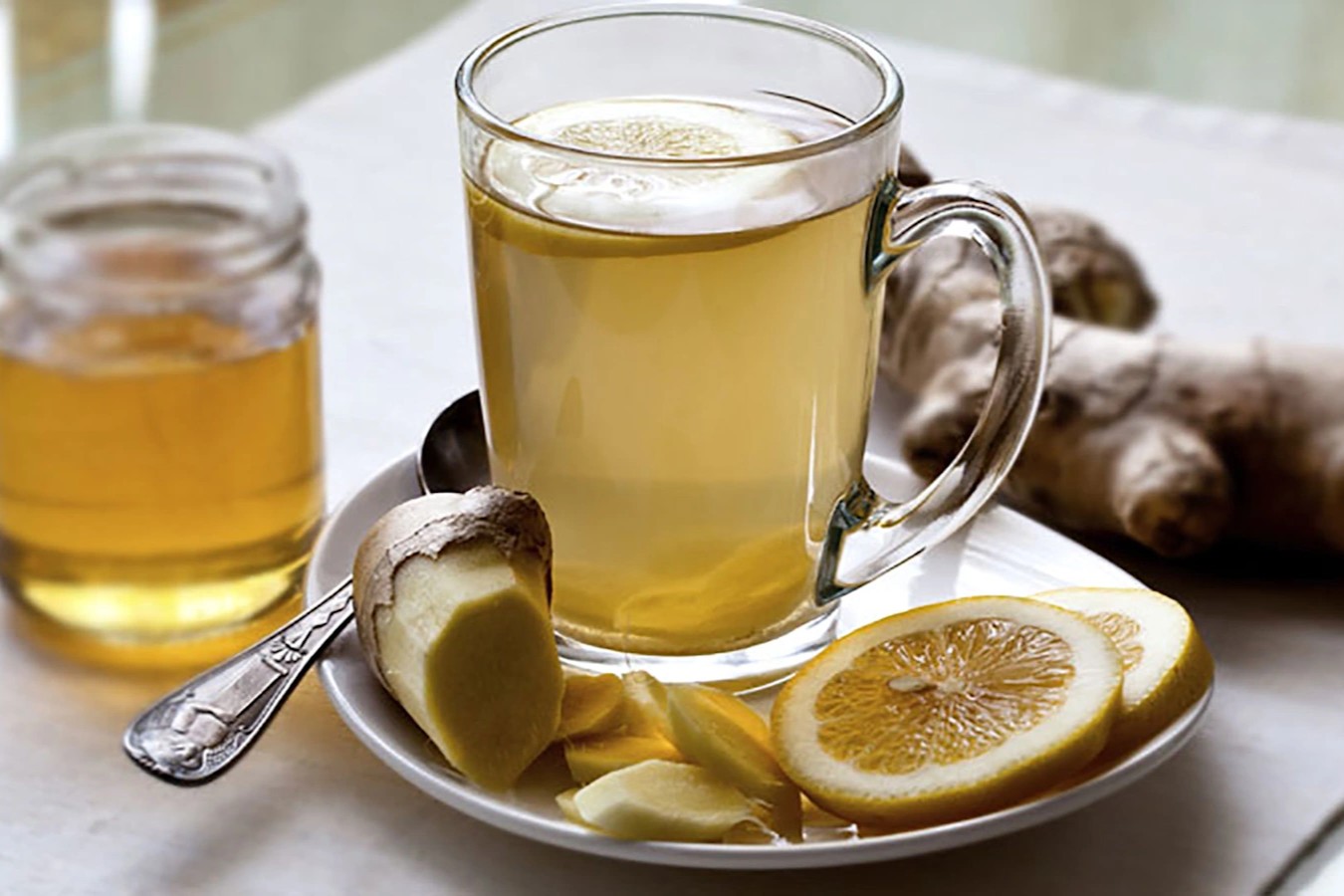
- Warm Lemon Honey and Ginger Soother Recipe15 Minutes
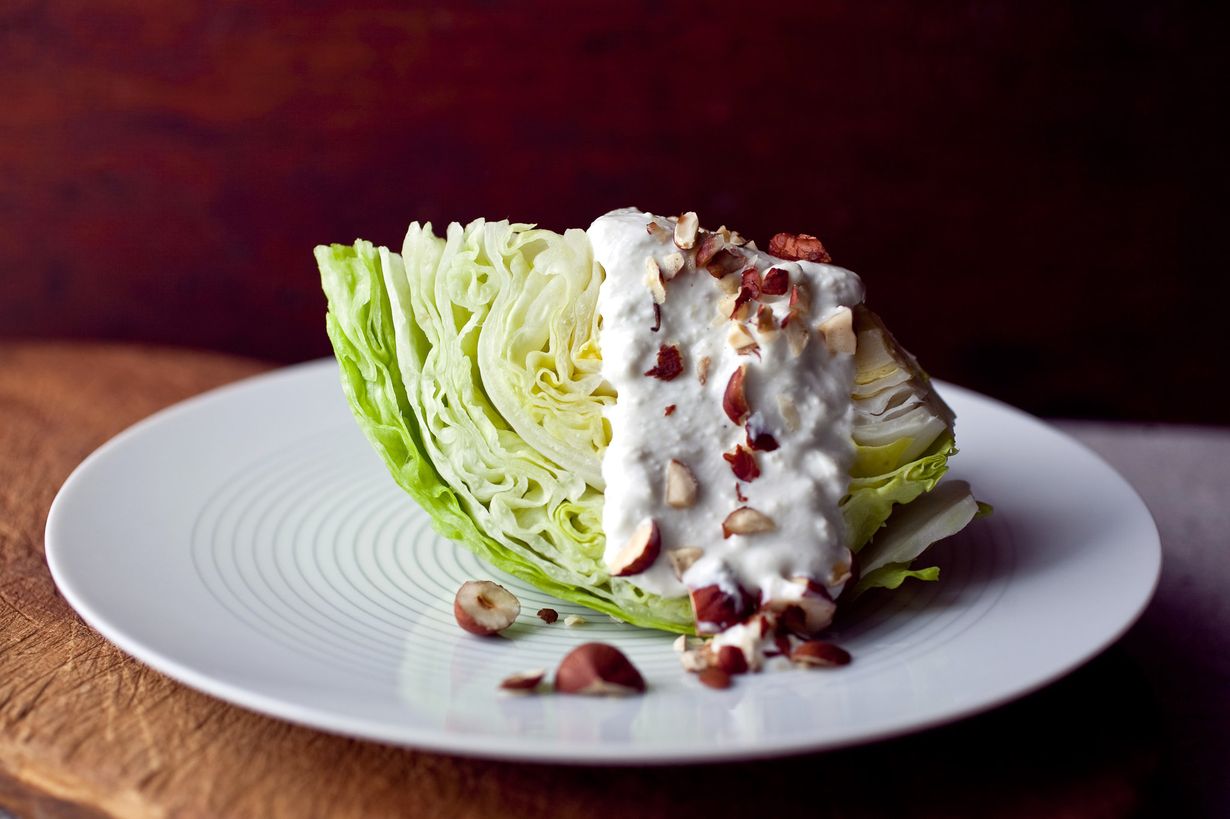
- Wedge Salad with Blue Cheese Dressing Recipe15 Minutes
- Watermelon Agua Fresca Recipe10 Minutes
- Broccoli Salad Recipe15 Minutes




Leave a Reply