
Creating perfect sushi rice is an essential skill for any sushi enthusiast. The right balance of vinegar, sugar, and salt transforms simple rice into a flavorful base for your favorite sushi rolls and nigiri.
While most of the ingredients for this recipe are common, you may need to visit a specialty store or the international aisle of your supermarket for sushi rice and rice vinegar. These ingredients are crucial for achieving the authentic taste and texture of traditional sushi.
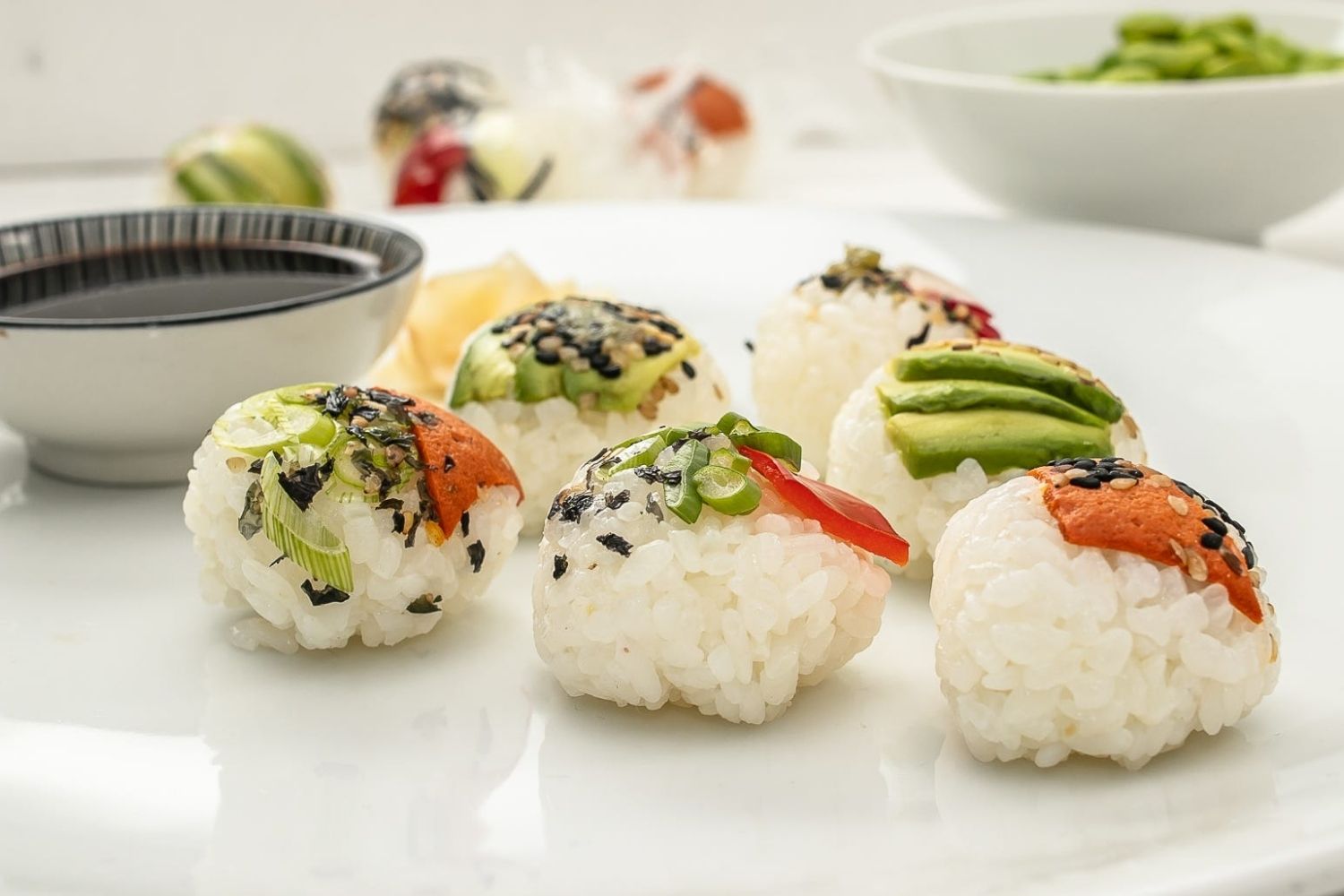
Ingredients For Sushi Rice Recipe
Sushi rice: A short-grain rice that becomes sticky when cooked, perfect for sushi.
Water: Essential for cooking the rice.
Rice vinegar: Adds the characteristic tangy flavor to the sushi rice.
Sugar: Balances the acidity of the vinegar.
Salt: Enhances the overall flavor of the sushi rice.
Technique Tip for Sushi Rice
When preparing sushi rice, it's crucial to rinse the rice thoroughly under cold water until the water runs clear. This step removes excess starch, which can make the rice too sticky. After cooking the rice in a rice cooker, transfer it to a large bowl and use a wooden paddle or spoon to gently fold in the vinegar mixture. Be careful not to mash the rice; instead, use a slicing motion to ensure each grain is evenly coated. This technique helps achieve the perfect texture for sushi.
Suggested Side Dishes
Alternative Ingredients
sushi rice - Substitute with short-grain rice: Short-grain rice has a similar sticky texture that is essential for making sushi.
sushi rice - Substitute with arborio rice: Arborio rice, commonly used for risotto, has a similar starchy quality that can mimic the stickiness of sushi rice.
water - Substitute with dashi stock: Dashi stock can add an extra layer of umami flavor to the rice, enhancing the overall taste.
rice vinegar - Substitute with apple cider vinegar: Apple cider vinegar has a similar acidity and can be used in a pinch, though it may slightly alter the flavor.
rice vinegar - Substitute with white wine vinegar: White wine vinegar has a mild flavor and acidity that can work as a substitute for rice vinegar.
sugar - Substitute with honey: Honey can provide the necessary sweetness, though it may add a slight floral note to the rice.
sugar - Substitute with agave syrup: Agave syrup is another sweetener that can be used, offering a similar level of sweetness with a slightly different flavor profile.
salt - Substitute with soy sauce: Soy sauce can add both saltiness and umami, though it will change the color and flavor of the rice.
salt - Substitute with sea salt: Sea salt can be used as a direct substitute, offering a similar level of saltiness with a slightly different mineral content.
Alternative Recipes Similar to Sushi Rice
How to Store or Freeze Sushi Rice
Allow the sushi rice to cool to room temperature before storing. This prevents condensation, which can make the rice soggy.
Transfer the cooled rice to an airtight container. Make sure the container is clean and dry to maintain the rice's freshness.
For short-term storage, place the container in the refrigerator. The rice will stay fresh for up to 3 days. When ready to use, bring the rice to room temperature or gently reheat it in the microwave with a damp cloth over it to restore its texture.
For long-term storage, you can freeze the sushi rice. Divide the rice into portion-sized servings and wrap each portion tightly in plastic wrap. Place the wrapped portions in a freezer-safe bag or container to prevent freezer burn.
When ready to use frozen sushi rice, thaw it in the refrigerator overnight. Alternatively, you can reheat it directly from frozen by microwaving it with a damp cloth over it to retain moisture.
Avoid storing sushi rice with any seafood or vegetables already mixed in, as these ingredients can spoil faster than the rice itself.
If you notice any off smells or changes in texture, it's best to discard the rice to ensure food safety.
How to Reheat Leftovers
Microwave Method:
- Place the sushi rice in a microwave-safe bowl.
- Dampen a paper towel and lay it over the rice to keep it moist.
- Microwave on medium power for 1-2 minutes, checking and stirring halfway through.
- Let it sit for a minute before serving to allow the heat to distribute evenly.
Steaming Method:
- Place the sushi rice in a heatproof bowl that fits into your steamer.
- Add a few tablespoons of water to the rice to help rehydrate it.
- Cover the bowl with a lid or foil.
- Steam over boiling water for about 5-7 minutes, or until the rice is heated through.
Stovetop Method:
- Add the sushi rice to a non-stick pan.
- Sprinkle a few tablespoons of water over the rice.
- Cover the pan with a lid and heat on low for about 5 minutes, stirring occasionally to prevent sticking.
- Once heated, let it sit covered for another minute to ensure even warmth.
Oven Method:
- Preheat your oven to 300°F (150°C).
- Spread the sushi rice evenly in an oven-safe dish.
- Add a few tablespoons of water and cover the dish with foil.
- Bake for about 10-15 minutes, or until the rice is heated through.
Double Boiler Method:
- Fill the bottom pot of a double boiler with water and bring it to a simmer.
- Place the sushi rice in the top pot.
- Cover and heat for about 5-7 minutes, stirring occasionally to ensure even heating.
Essential Tools for Making Sushi Rice
Rice cooker: Used to cook the sushi rice to perfection according to the manufacturer's instructions.
Small saucepan: Used to heat and dissolve the rice vinegar, sugar, and salt mixture.
Large bowl: Used to transfer and mix the cooked rice with the vinegar mixture.
Wooden spoon: Used to gently fold the vinegar mixture into the rice without crushing the grains.
Fine mesh strainer: Used to rinse the sushi rice under cold water until the water runs clear.
Measuring cups: Used to measure the rice, water, rice vinegar, sugar, and salt accurately.
Stove: Used to heat the small saucepan with the vinegar mixture.
How to Save Time on Making Sushi Rice
Rinse efficiently: Use a fine-mesh strainer to quickly rinse the sushi rice until the water runs clear.
Use a rice cooker: A rice cooker ensures perfectly cooked rice without constant monitoring.
Pre-mix vinegar solution: Prepare the rice vinegar, sugar, and salt mixture ahead of time and store it in the fridge.
Cool quickly: Spread the cooked rice on a baking sheet to cool it faster.
Batch cooking: Make extra sushi rice and store it in the fridge for up to 3 days for quick future use.
Sushi Rice Recipe
Ingredients
Main Ingredients
- 2 cups Sushi Rice
- 2 cups Water
- ½ cup Rice Vinegar
- 2 tablespoons Sugar
- 1 teaspoon Salt
Instructions
- Rinse the sushi rice under cold water until the water runs clear.
- Combine the rice and water in a rice cooker and cook according to the manufacturer's instructions.
- In a small saucepan, combine the rice vinegar, sugar, and salt. Cook over medium heat until the sugar and salt are dissolved. Do not boil.
- Once the rice is cooked, transfer it to a large bowl. Pour the vinegar mixture over the rice and gently fold to combine. Let the rice cool to room temperature before using.
Nutritional Value
Keywords
More Amazing Recipes to Try 🙂
- Oven Fried Chicken Recipe1 Hours
- Pink Lemonade Recipe10 Minutes
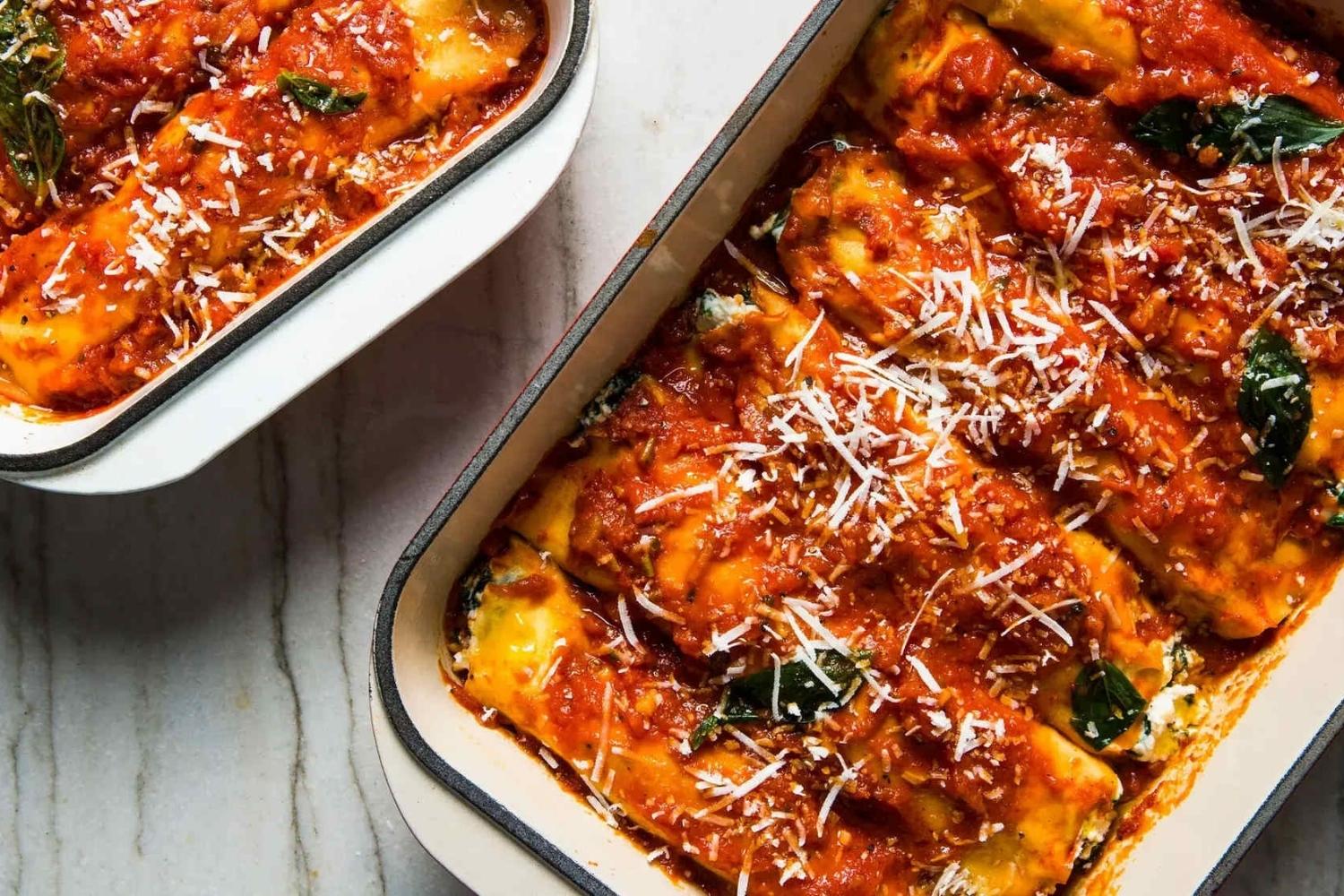
- Manicotti Recipe1 Hours
- Curried Egg Sandwiches Recipe20 Minutes
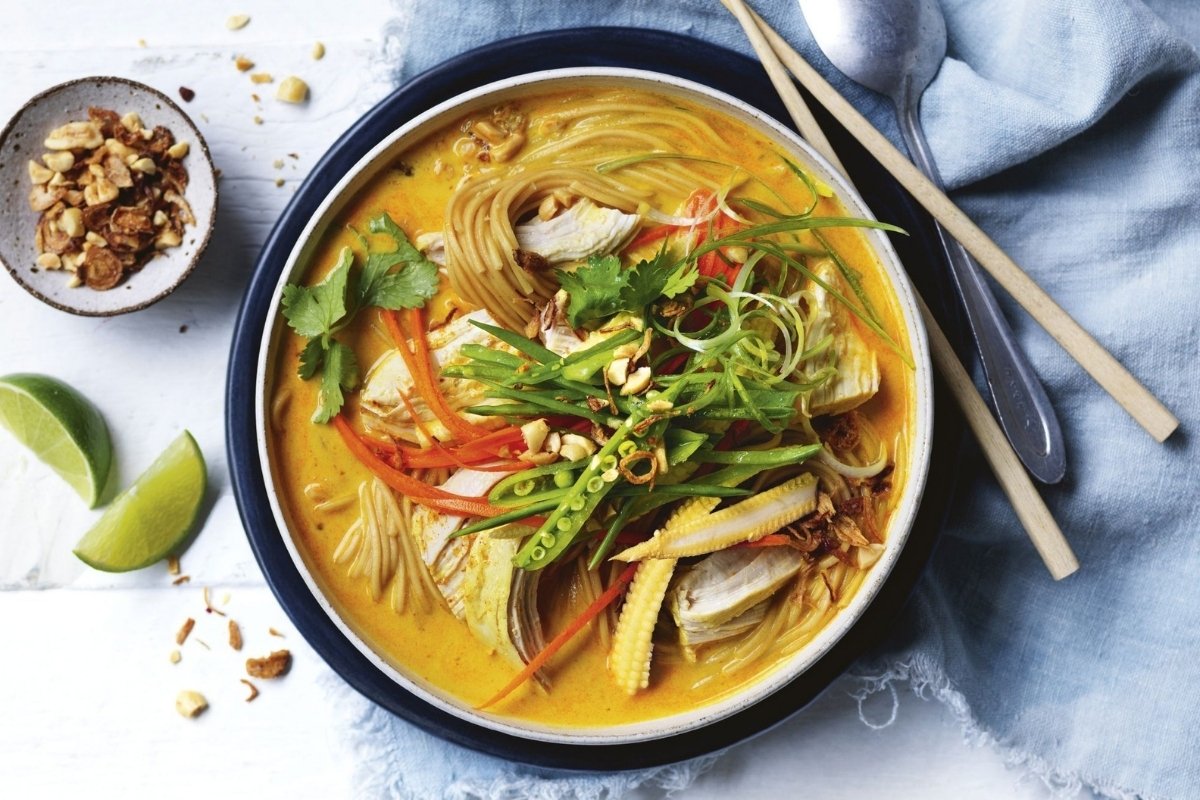
- Ramen Noodle Soup Recipe30 Minutes
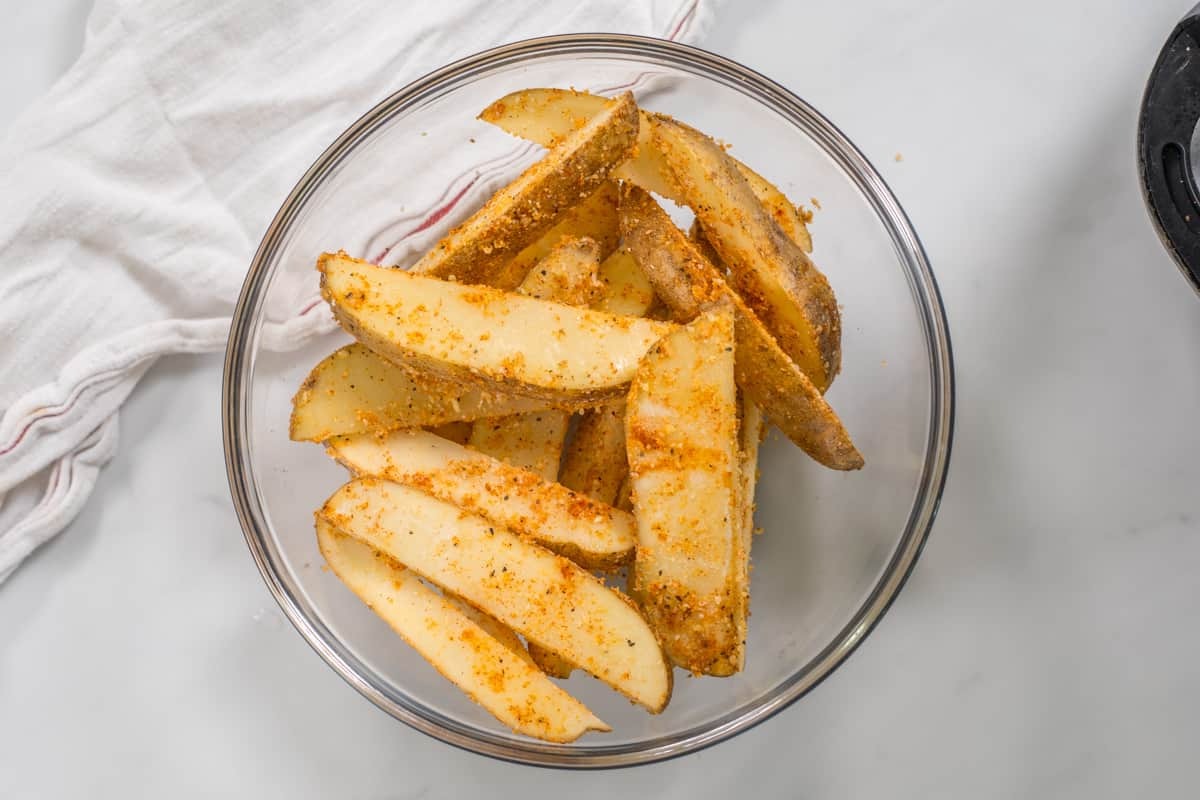
- Air Fryer Potato Wedges Recipe30 Minutes
- Slow Cooker Ham and Bean Soup Recipe8 Hours 15 Minutes
- Crab Salad Recipe15 Minutes






Leave a Reply