Creating homemade yogurt is a rewarding and straightforward process. With just two simple ingredients, you can enjoy fresh, creamy yogurt right from your kitchen. This recipe allows you to control the quality and flavor of your yogurt, making it a healthier and more delicious option compared to store-bought varieties.
The key ingredients for this recipe are whole milk and plain yogurt with live cultures. While whole milk is commonly found in most households, you might need to ensure that the plain yogurt you purchase contains live cultures, as this is essential for the fermentation process. Check the label to confirm the presence of live cultures before buying.
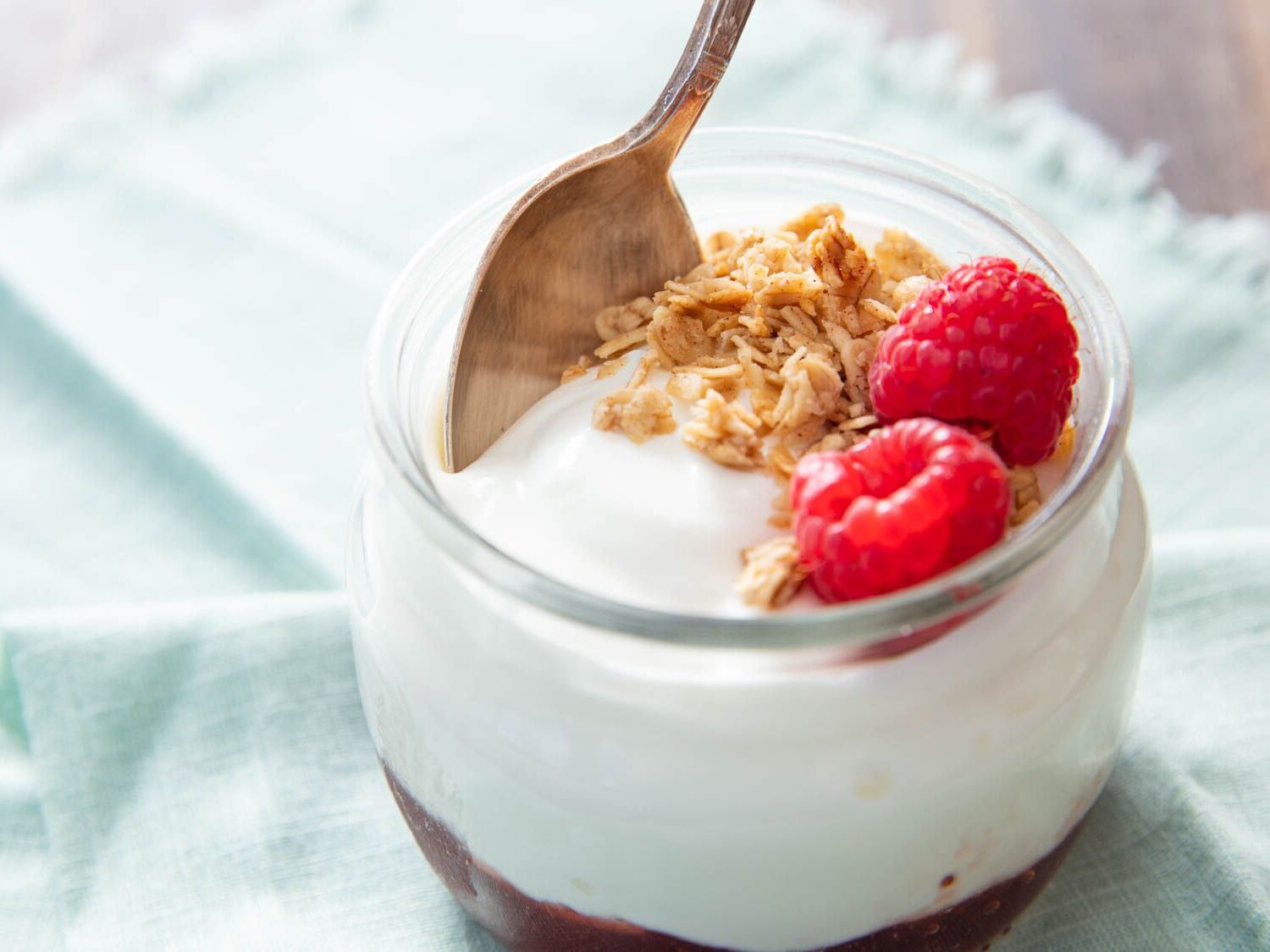
Ingredients For Yogurt Recipe
Whole milk: The base for your yogurt, providing a rich and creamy texture.
Plain yogurt: Contains live cultures necessary for fermenting the milk into yogurt.
Technique Tip for Making Yogurt
To ensure a smooth and creamy texture, make sure to whisk the plain yogurt thoroughly into the milk once it has cooled to 110°F (43°C). This helps to evenly distribute the live cultures throughout the mixture, promoting consistent fermentation.
Suggested Side Dishes
Alternative Ingredients
whole milk - Substitute with 2% milk: If you prefer a lighter option, 2% milk can be used, though the yogurt may be slightly less creamy.
whole milk - Substitute with almond milk: For a dairy-free alternative, almond milk can be used, but you may need to add a thickening agent like agar-agar to achieve the desired consistency.
whole milk - Substitute with coconut milk: Coconut milk provides a rich, creamy texture and a slight coconut flavor, making it a good dairy-free option.
plain yogurt - Substitute with Greek yogurt: Greek yogurt with live cultures can be used to start the fermentation process and will result in a thicker yogurt.
plain yogurt - Substitute with probiotic capsule: If you don't have plain yogurt, a probiotic capsule can be used to introduce live cultures to the milk.
plain yogurt - Substitute with buttermilk: Buttermilk contains live cultures and can be used to start the fermentation process, though the final product may have a slightly different texture.
Other Alternative Recipes Similar to This
How to Store or Freeze Your Yogurt
To store your homemade yogurt, transfer it to an airtight container. This helps maintain its freshness and prevents it from absorbing any unwanted odors from other foods in the fridge.
Place the container in the coldest part of your refrigerator, typically the back, where the temperature is most consistent. Your yogurt should stay fresh for up to 2 weeks.
If you notice any separation, simply stir the yogurt before serving. This is a natural process and does not affect the quality.
For freezing, portion the yogurt into smaller containers or ice cube trays. This makes it easier to thaw only what you need.
Label each container with the date of freezing. Yogurt can be frozen for up to 2 months, but for the best texture and flavor, try to use it within 1 month.
When you're ready to use the frozen yogurt, thaw it in the refrigerator overnight. Avoid thawing at room temperature to prevent any bacterial growth.
After thawing, the texture of the yogurt might be slightly grainy. Whisk it well to restore its creamy consistency.
Use thawed yogurt in smoothies, baking, or as a base for soups and sauces. Its texture might not be ideal for eating plain, but it will still be delicious in recipes.
For an extra burst of flavor, mix in some fresh fruits or a drizzle of honey before serving. This not only enhances the taste but also adds a delightful texture contrast.
Remember, homemade yogurt is a living food. Treat it with care, and it will reward you with its rich, tangy goodness every time.
How to Reheat Leftovers
Stovetop Method:
- Pour the yogurt into a saucepan.
- Heat gently over low heat, stirring occasionally to prevent sticking.
- Warm until it reaches your desired temperature, but avoid boiling to maintain the live cultures.
Microwave Method:
- Place the yogurt in a microwave-safe bowl.
- Heat on medium power in 15-second intervals, stirring in between.
- Continue until the yogurt is warmed through, being careful not to overheat.
Double Boiler Method:
- Fill the bottom pot of a double boiler with water and bring to a simmer.
- Place the yogurt in the top pot.
- Stir occasionally and heat until the yogurt reaches the desired warmth.
Oven Method:
- Preheat your oven to the lowest setting, usually around 200°F (93°C).
- Place the yogurt in an oven-safe dish.
- Warm in the oven for about 10-15 minutes, checking frequently to avoid overheating.
Hot Water Bath Method:
- Fill a large bowl with hot water (not boiling).
- Place the container of yogurt into the hot water.
- Let it sit, stirring occasionally, until the yogurt reaches the desired temperature.
Best Tools for Making Yogurt
Saucepan: Use this to heat the milk to the desired temperature.
Thermometer: Essential for accurately measuring the milk's temperature at both heating and cooling stages.
Whisk: Helps to evenly incorporate the plain yogurt into the cooled milk.
Jar: A container to hold the yogurt mixture while it ferments.
Lid or cover: To cover the jar and maintain a warm environment for fermentation.
Towel or blanket: Can be used to wrap the jar and keep it warm during the fermentation process.
How to Save Time on Making Yogurt
Use a thermometer: Using a thermometer ensures precise temperature control, speeding up the process.
Preheat the oven: Preheat your oven to maintain a consistent warm environment for the yogurt to set.
Use a warm towel: Wrap the jar in a warm towel to maintain the temperature, reducing the need for constant monitoring.
Start with warm milk: Use milk that is already at room temperature to reduce heating time.
Batch preparation: Make larger batches to save time on repeated preparations.
Yogurt Recipe
Ingredients
Main Ingredients
- 4 cups Milk Whole milk works best
- 2 tablespoon Plain yogurt With live cultures
Instructions
- Heat the milk in a saucepan until it reaches 180°F (82°C).
- Let the milk cool to 110°F (43°C).
- Whisk in the plain yogurt.
- Pour the mixture into a jar and cover it.
- Let it sit in a warm place for 8 hours.
Nutritional Value
Keywords
More Amazing Recipes to Try 🙂
- Slow Cooker Cocktail Smokies Recipe4 Hours 10 Minutes
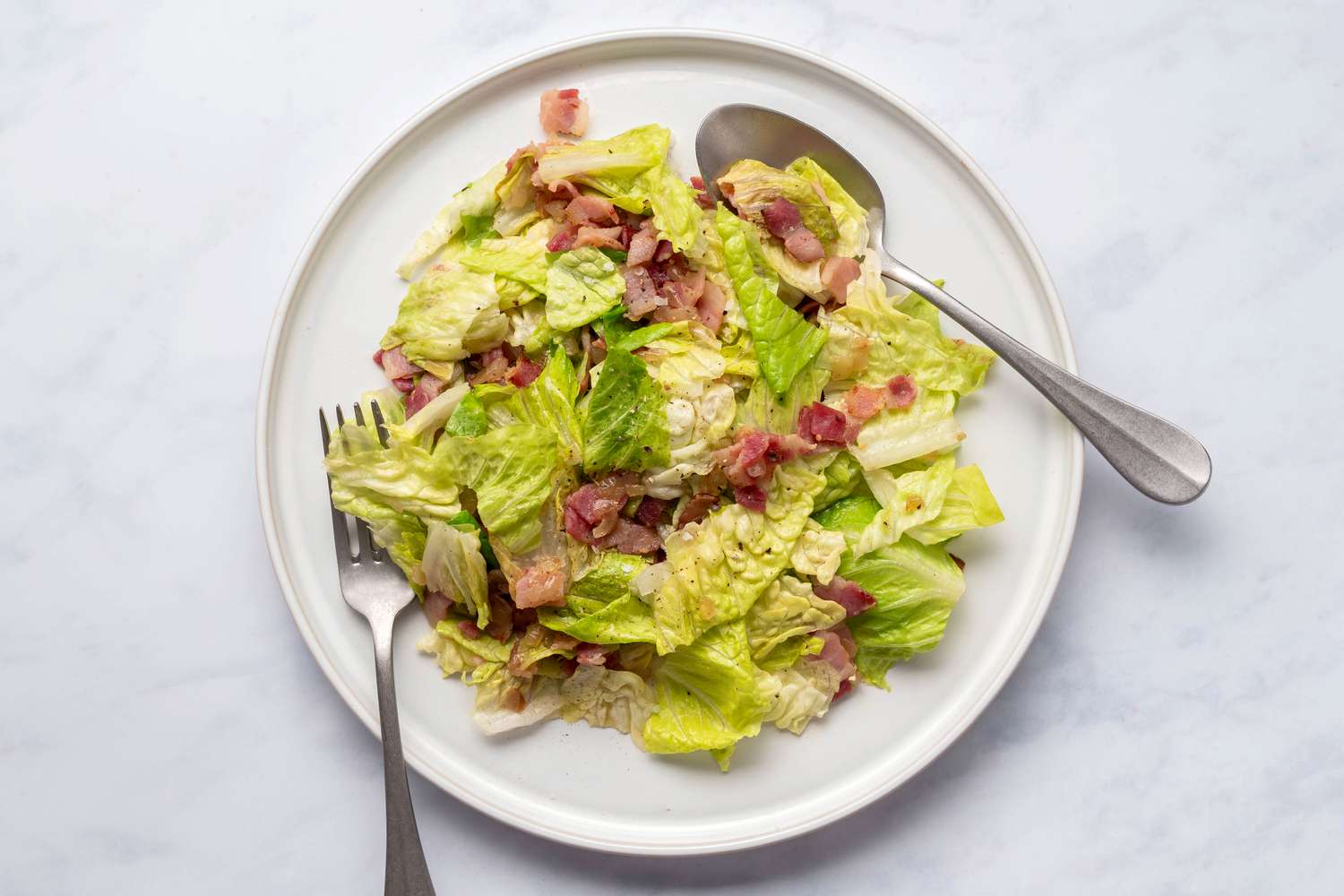
- Wilted Lettuce Salad Recipe15 Minutes
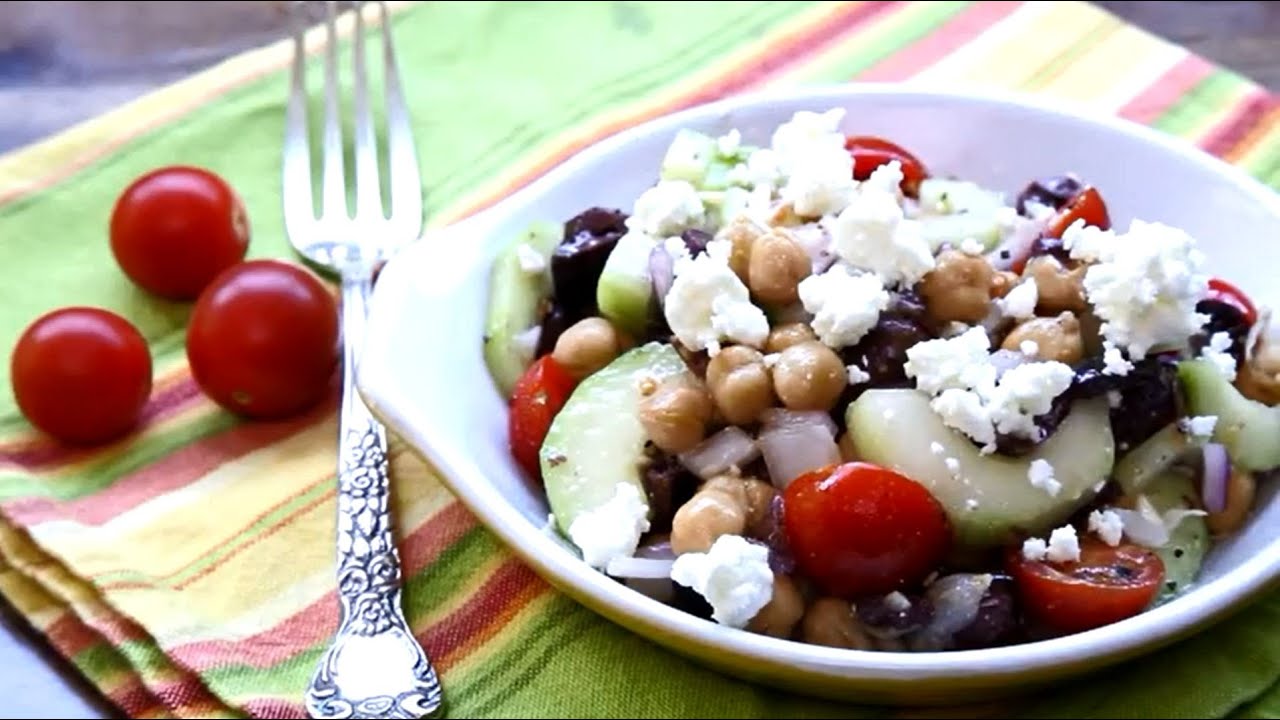
- Greek Garbanzo Bean Salad Recipe15 Minutes
- Pan-Seared Tuna Steaks Recipe16 Minutes
- Baked Macaroni and Cheese Recipe45 Minutes
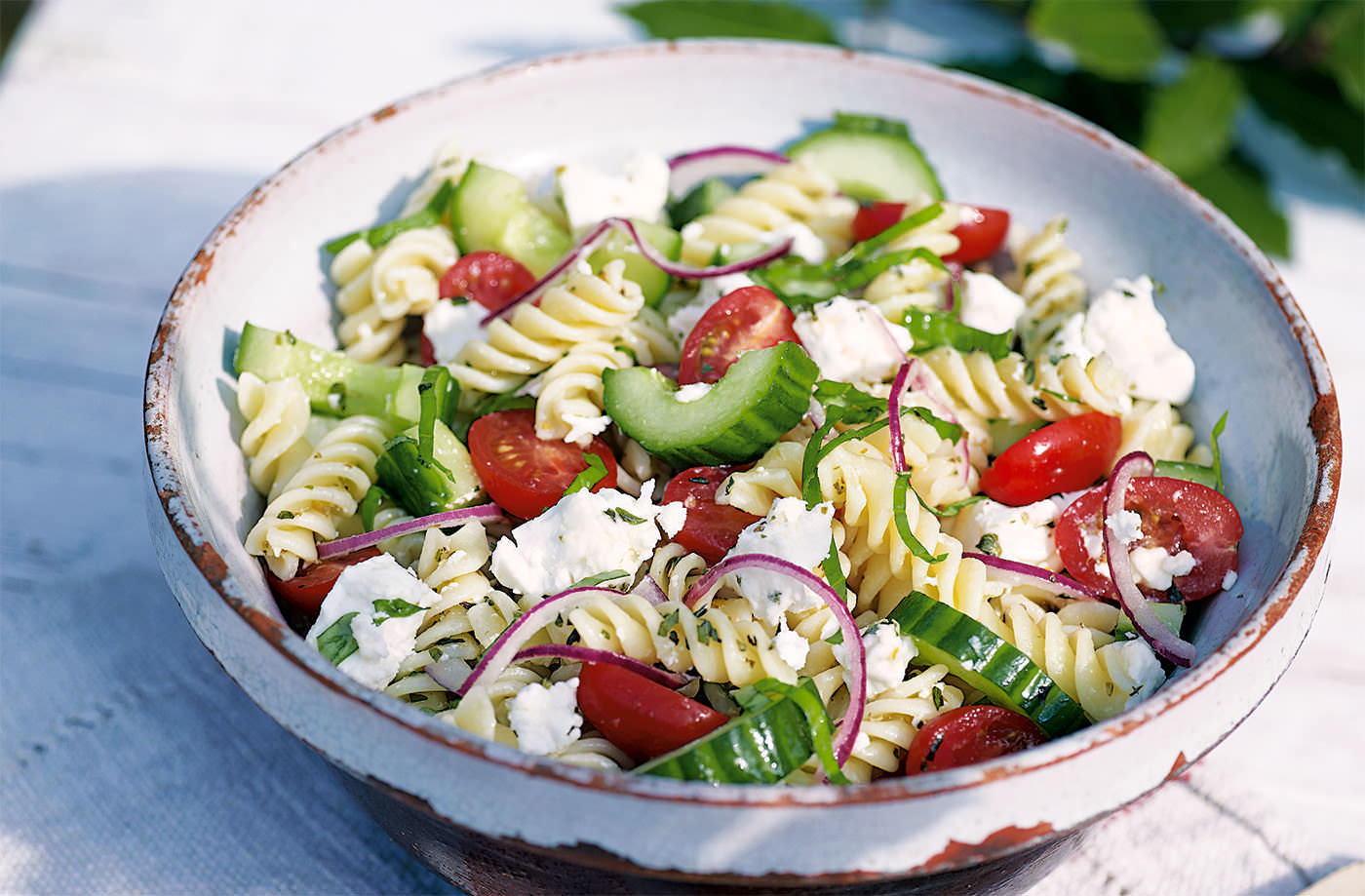
- Greek Pasta Salad Recipe25 Minutes
- Thai Coconut Soup Recipe35 Minutes
- Corn Chowder Recipe45 Minutes







Leave a Reply