A balsamic glaze is a versatile condiment that adds a touch of sweetness and tanginess to a variety of dishes. Perfect for drizzling over salads, grilled vegetables, meats, or even desserts, this simple yet elegant glaze can elevate your culinary creations to new heights.
The key ingredients for this recipe are balsamic vinegar and brown sugar. While brown sugar is a common pantry staple, balsamic vinegar might not be as readily available in every household. When heading to the supermarket, look for a high-quality balsamic vinegar to ensure the best flavor for your glaze.
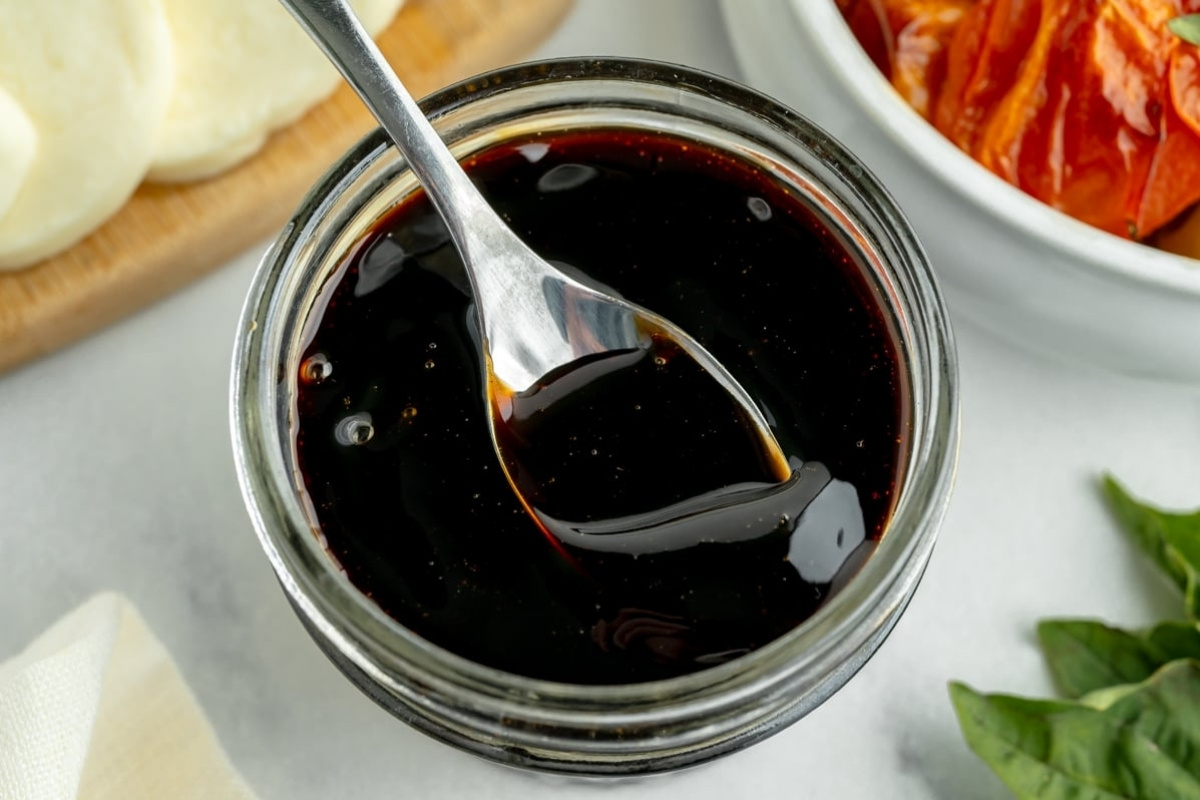
Ingredients For Balsamic Glaze Recipe
Balsamic vinegar: A dark, concentrated, and intensely flavored vinegar originating from Italy, essential for creating the rich base of the glaze.
Brown sugar: Adds sweetness and helps to thicken the glaze, balancing the acidity of the balsamic vinegar.
Technique Tip for Balsamic Glaze
To achieve the perfect consistency for your balsamic glaze, keep a close eye on the reduction process. As the vinegar and brown sugar mixture simmers, it can quickly go from just right to overly thick. Use a spoon to test the glaze; it should coat the back of the spoon without being too runny or too sticky. If it becomes too thick, you can thin it out with a small amount of water or additional balsamic vinegar.
Suggested Side Dishes
Alternative Ingredients
balsamic vinegar - Substitute with red wine vinegar: Red wine vinegar has a similar acidity and can be sweetened to mimic the flavor profile of balsamic vinegar.
balsamic vinegar - Substitute with apple cider vinegar: Apple cider vinegar has a fruity undertone that can complement the sweetness when reduced with sugar.
brown sugar - Substitute with honey: Honey provides a similar sweetness and can add a unique floral note to the glaze.
brown sugar - Substitute with maple syrup: Maple syrup offers a rich, complex sweetness that pairs well with the tanginess of vinegar.
Alternative Recipes Similar to Balsamic Glaze
How to Store or Freeze Balsamic Glaze
Allow the balsamic glaze to cool completely before storing. This ensures that condensation doesn't form inside the container, which could dilute the glaze.
Transfer the cooled glaze into an airtight container or a glass jar with a tight-fitting lid. This helps preserve its rich flavor and prevents it from absorbing other odors in the fridge.
Store the container in the refrigerator. The glaze can last up to a month when properly refrigerated, making it a convenient addition to your culinary arsenal.
If you prefer to freeze the glaze, pour it into a freezer-safe container, leaving some space at the top for expansion. Alternatively, you can use an ice cube tray to freeze individual portions, which can be handy for quick use.
Label the container with the date of preparation. This helps you keep track of its freshness and ensures you use it within the optimal time frame.
When ready to use, thaw the frozen glaze in the refrigerator overnight. If you're in a hurry, you can also place the container in a bowl of warm water to speed up the process.
Once thawed, give the glaze a good stir to restore its smooth consistency. If it appears too thick, you can gently warm it up on the stove over low heat, adding a splash of balsamic vinegar if needed to reach the desired consistency.
Avoid reheating the glaze multiple times, as this can alter its flavor and texture. Instead, portion out only what you need for each use.
Use the glaze to enhance the flavors of your favorite dishes, from grilled vegetables and meats to salads and desserts. Its versatility makes it a must-have in any kitchen.
How to Reheat Leftovers
Gently reheat the balsamic glaze on the stovetop. Place it in a small saucepan over low heat, stirring occasionally until it reaches your desired consistency. Be careful not to overheat, as it can become too thick or burn.
Use a microwave for a quick fix. Transfer the glaze to a microwave-safe bowl and cover it with a microwave-safe lid or plastic wrap. Heat on low power in 15-second intervals, stirring in between, until it’s warmed through.
If you have a double boiler, this method works wonders. Place the glaze in the top part of the double boiler and gently heat over simmering water. Stir occasionally until it’s warmed to your liking.
For a more controlled reheating, use a water bath. Place the balsamic glaze in a heatproof jar or container, then set it in a pot of simmering water. Stir occasionally until it’s heated through.
If you’re planning to use the glaze on a hot dish, like grilled vegetables or roasted meats, you can simply drizzle it over the hot food. The heat from the dish will naturally warm the glaze.
Best Tools for Making Balsamic Glaze
Saucepan: Use a saucepan to combine and heat the balsamic vinegar and brown sugar.
Wooden spoon: A wooden spoon is ideal for stirring the mixture constantly until the sugar dissolves.
Measuring cups: Use measuring cups to accurately measure 1 cup of balsamic vinegar and ¼ cup of brown sugar.
Stove: The stove provides the necessary heat to bring the mixture to a gentle boil and then simmer.
Timer: A timer helps you keep track of the 15 minutes needed to reduce the glaze.
Spoon: Use a spoon to check if the glaze coats the back, indicating it's ready.
Cooling rack: Place the saucepan on a cooling rack to let the glaze cool before using.
How to Save Time on Making This Recipe
Use a larger pan: A wider surface area helps balsamic vinegar reduce faster, saving you time.
Pre-measure ingredients: Have your brown sugar and balsamic vinegar ready to go before you start cooking.
Increase the heat slightly: Carefully increasing the heat can speed up the reduction process, but watch closely to avoid burning.
Stir less frequently: Stir occasionally instead of constantly to allow the glaze to reduce more quickly.
Use a timer: Set a timer to check the glaze at intervals, ensuring it doesn’t over-reduce.
Balsamic Glaze Recipe
Ingredients
Main Ingredients
- 1 cup Balsamic Vinegar
- ¼ cup Brown Sugar
Instructions
- Combine balsamic vinegar and brown sugar in a saucepan over medium heat.
- Stir constantly until the sugar has dissolved.
- Bring to a gentle boil, then reduce the heat to low.
- Simmer until the glaze has reduced by half and coats the back of a spoon, about 15 minutes.
- Remove from heat and let cool before using.
Nutritional Value
Keywords
More Amazing Recipes to Try 🙂
- Oven Fried Chicken Recipe1 Hours
- Pink Lemonade Recipe10 Minutes
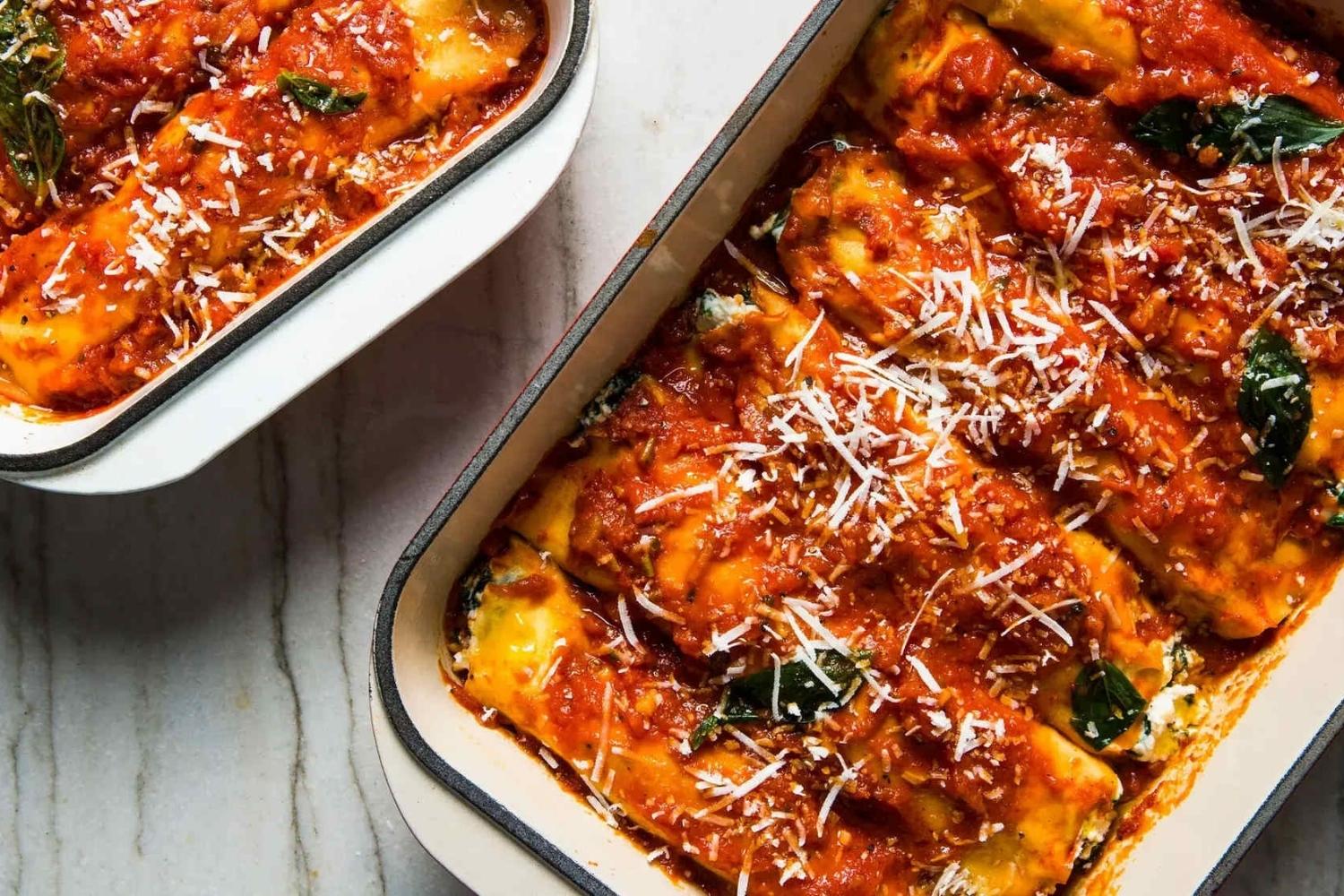
- Manicotti Recipe1 Hours
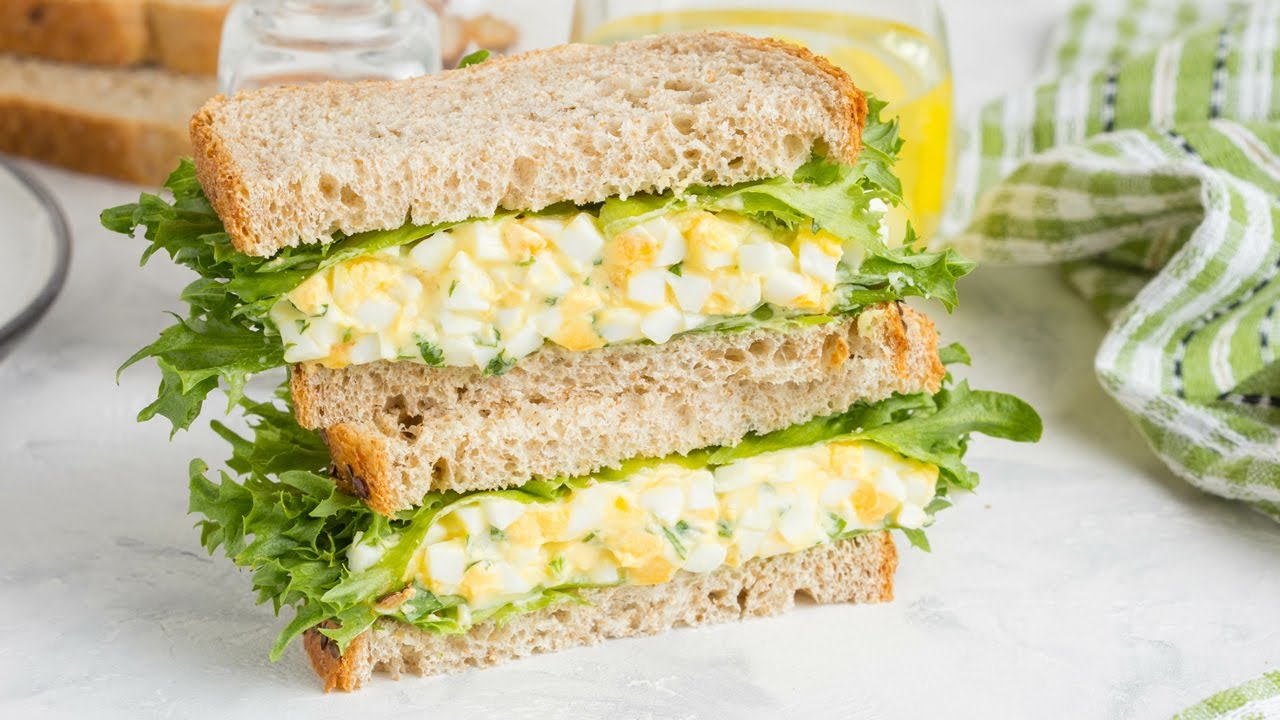
- Curried Egg Sandwiches Recipe20 Minutes
- Ramen Noodle Soup Recipe30 Minutes
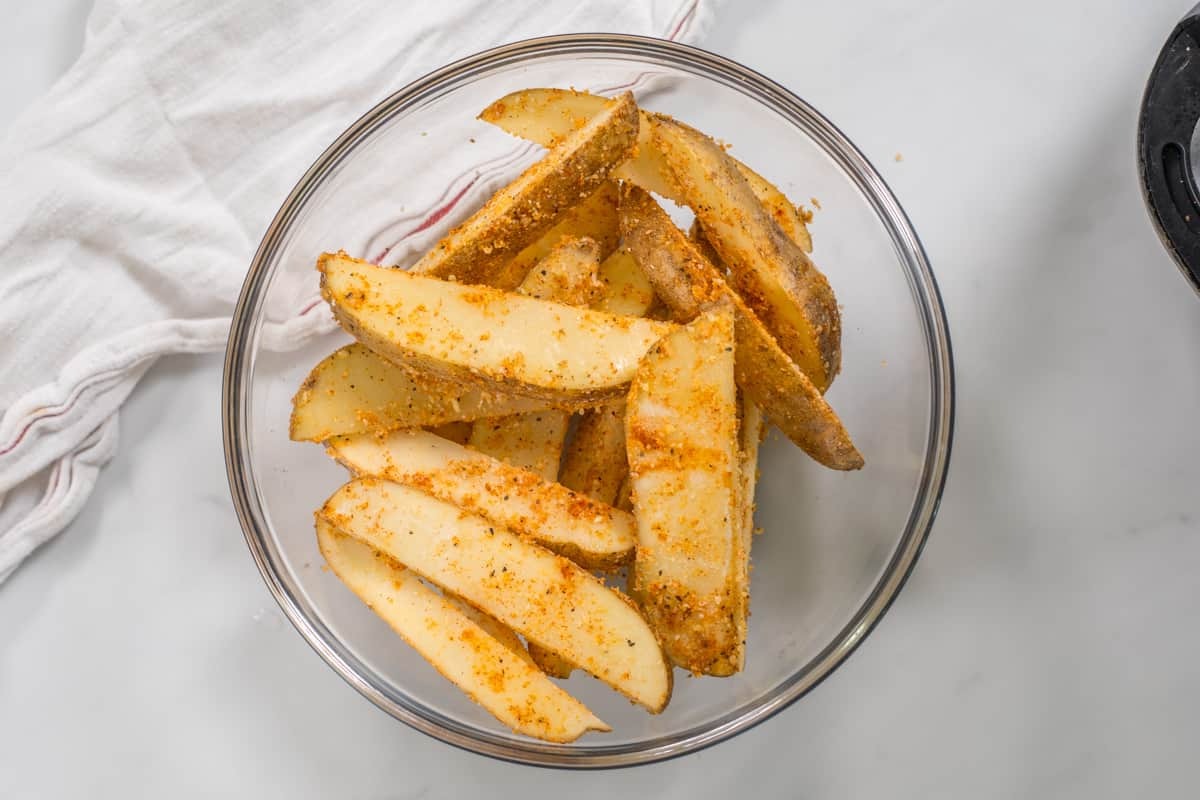
- Air Fryer Potato Wedges Recipe30 Minutes
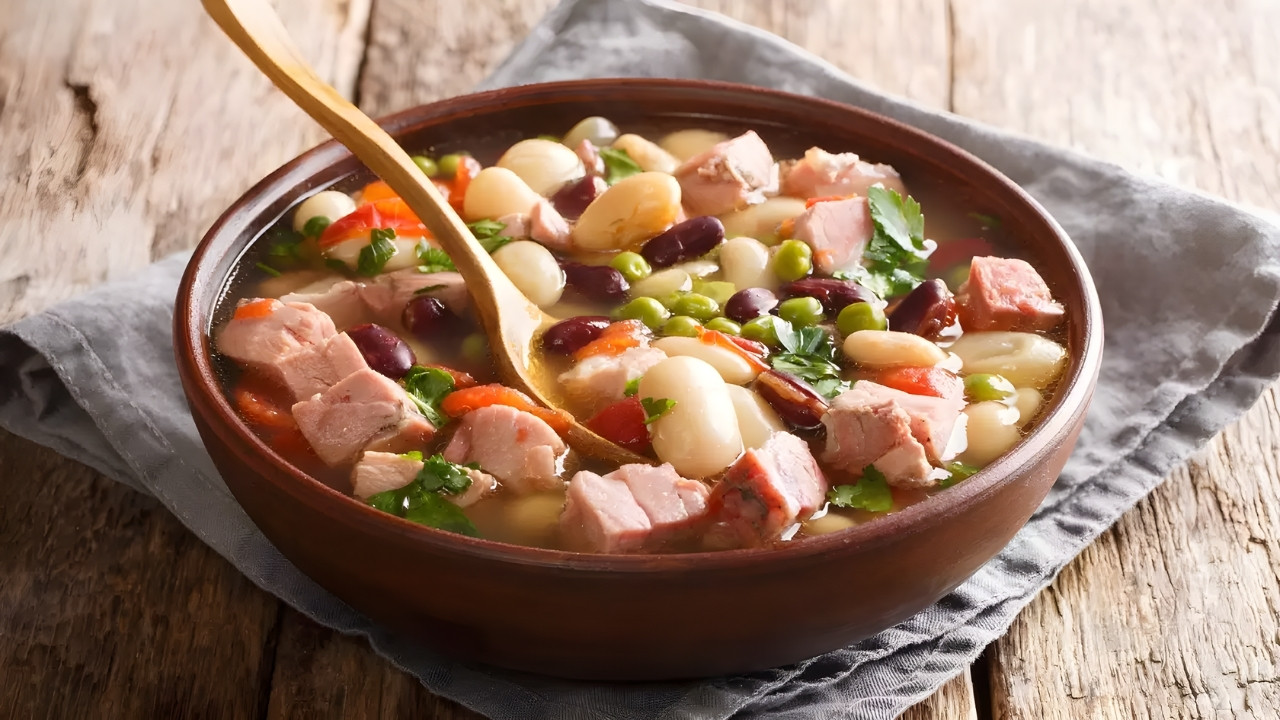
- Slow Cooker Ham and Bean Soup Recipe8 Hours 15 Minutes
- Crab Salad Recipe15 Minutes

Leave a Reply