
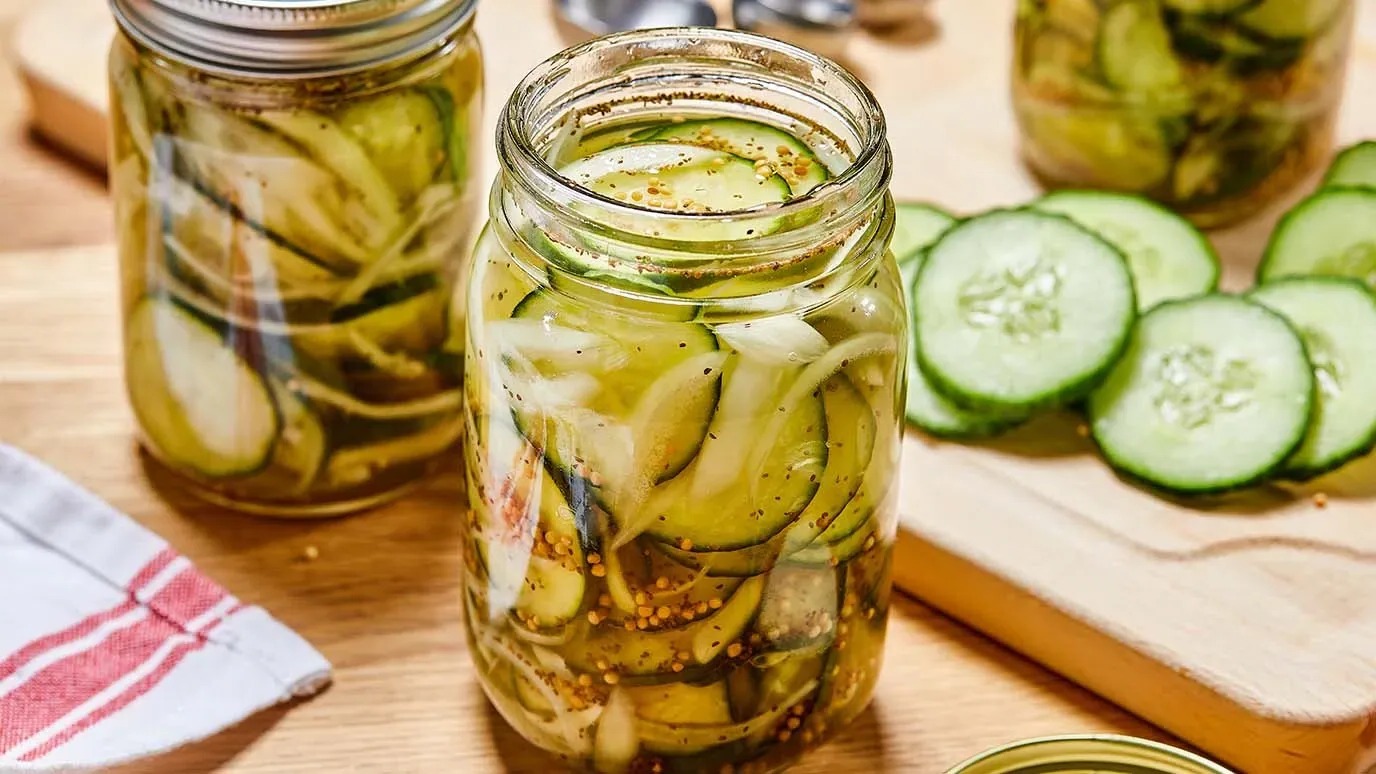
Refrigerator pickles are a quick and easy way to enjoy the tangy crunch of pickled vegetables without the need for traditional canning methods. This recipe combines cucumbers and onions with a flavorful brine, creating a delicious snack or condiment that can be enjoyed within a day.
While most of the ingredients in this recipe are common pantry staples, you might need to pick up mustard seeds and dill seeds if you don't already have them. These spices add a distinctive flavor to the pickles and can usually be found in the spice aisle of your local supermarket.
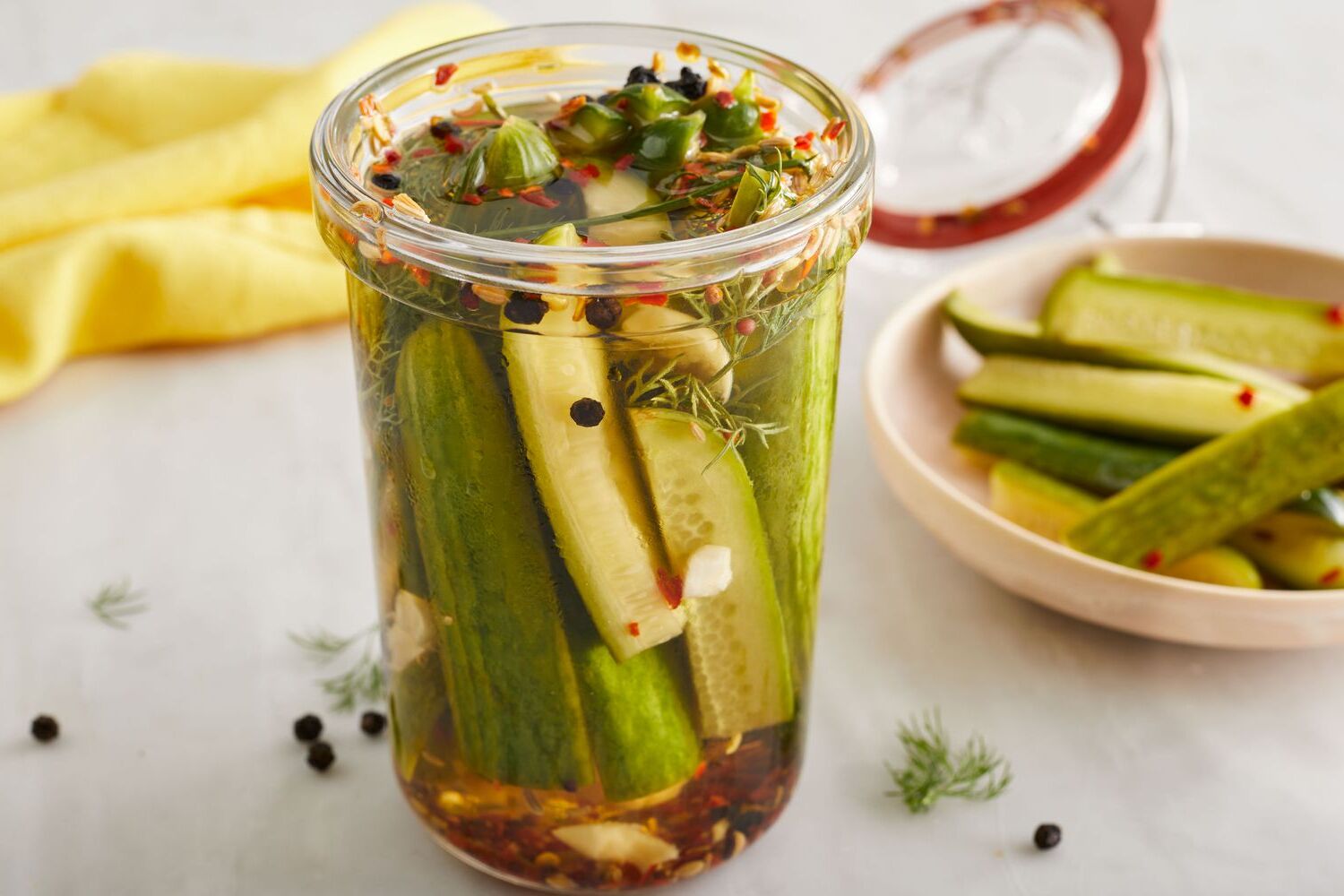
Ingredients For Refrigerator Pickles Recipe
White vinegar: Provides the acidic base for the pickling brine.
Water: Dilutes the vinegar to balance the acidity.
Sugar: Adds a touch of sweetness to the brine.
Salt: Enhances the flavor and helps with the pickling process.
Cucumbers: The main vegetable being pickled, providing a crisp texture.
Onions: Adds additional flavor and texture to the pickles.
Mustard seeds: Adds a subtle, tangy flavor to the pickles.
Dill seeds: Imparts a classic dill flavor to the pickles.
Technique Tip for Making Pickles
When slicing the cucumbers and onions, aim for uniform thickness to ensure even pickling. A mandoline slicer can be particularly useful for achieving consistent slices. Additionally, lightly crushing the mustard seeds and dill seeds before adding them to the jar can help release their flavors more effectively into the pickling brine.
Suggested Side Dishes
Alternative Ingredients
white vinegar - Substitute with apple cider vinegar: Apple cider vinegar has a similar acidity level and can provide a slightly sweeter and fruitier flavor.
white vinegar - Substitute with rice vinegar: Rice vinegar is milder and slightly sweet, which can add a different but pleasant taste to the pickles.
water - Substitute with vegetable broth: Vegetable broth can add an extra layer of flavor to the pickling liquid.
sugar - Substitute with honey: Honey provides a natural sweetness and a slightly different flavor profile.
sugar - Substitute with maple syrup: Maple syrup adds a unique sweetness and depth of flavor.
salt - Substitute with sea salt: Sea salt can provide a more complex flavor due to its mineral content.
salt - Substitute with kosher salt: Kosher salt has larger grains and a purer flavor, which can be beneficial for pickling.
cucumbers - Substitute with zucchini: Zucchini has a similar texture and can absorb the pickling flavors well.
cucumbers - Substitute with carrots: Carrots provide a crunchy texture and can be pickled similarly to cucumbers.
onions - Substitute with shallots: Shallots have a milder and sweeter flavor compared to onions.
onions - Substitute with red onions: Red onions add a vibrant color and a slightly different taste.
mustard seeds - Substitute with celery seeds: Celery seeds can provide a similar texture and a slightly different but complementary flavor.
mustard seeds - Substitute with coriander seeds: Coriander seeds offer a citrusy and slightly sweet flavor that can enhance the pickling liquid.
dill seeds - Substitute with fennel seeds: Fennel seeds provide a sweet and slightly licorice-like flavor.
dill seeds - Substitute with caraway seeds: Caraway seeds have a warm, slightly peppery flavor that can add an interesting twist to the pickles.
Other Alternative Recipes Similar to This
How To Store or Freeze Your Pickles
- Ensure your refrigerator pickles are stored in a clean, airtight jar. This helps maintain their crispness and flavor.
- Place the jar in the coldest part of your fridge, typically the back, to keep the pickles fresh for up to 2 months.
- For best results, always use a clean utensil to remove pickles from the jar to avoid introducing bacteria.
- If you notice any cloudiness or off smells, discard the pickles immediately as this indicates spoilage.
- To freeze, transfer the pickles and brine into a freezer-safe container, leaving some space at the top for expansion.
- Label the container with the date before placing it in the freezer. Frozen pickles can last up to 6 months.
- Thaw frozen pickles in the refrigerator overnight before serving. Note that the texture may be softer compared to fresh refrigerator pickles.
- Avoid refreezing thawed pickles to maintain their quality and safety.
How To Reheat Leftovers
- While refrigerator pickles are typically enjoyed cold, if you wish to reheat them, consider these methods:
- Stovetop Method: Place the pickles in a saucepan over low heat. Stir occasionally until they are warmed through. This method helps retain the crunchiness of the cucumbers and onions.
- Microwave Method: Transfer the pickles to a microwave-safe dish. Heat on medium power for 30-second intervals, stirring in between, until they reach the desired temperature. Be cautious not to overheat, as this can make the vegetables soggy.
- Oven Method: Preheat your oven to 250°F (120°C). Spread the pickles on a baking sheet and cover with aluminum foil. Warm them in the oven for about 10-15 minutes. This gentle heating method helps maintain their texture.
- Sous Vide Method: If you have a sous vide machine, place the pickles in a vacuum-sealed bag and immerse them in a water bath set to 140°F (60°C) for about 20 minutes. This method ensures even heating without compromising the crispness of the vegetables.
Enjoy your refrigerator pickles warm, but remember, they are traditionally best served chilled!
Best Tools for Making Pickles
Saucepan: Used to combine vinegar, water, sugar, and salt, and bring them to a boil.
Stirring spoon: Essential for stirring the vinegar mixture until the sugar and salt dissolve.
Measuring cups: Necessary for accurately measuring the vinegar, water, and cucumbers.
Measuring spoons: Used to measure out the sugar, salt, mustard seeds, and dill seeds.
Cutting board: Provides a surface to slice the cucumbers and onions.
Knife: Used to slice the cucumbers and onions.
Jar: Container to hold the cucumbers, onions, mustard seeds, dill seeds, and the hot vinegar mixture.
Lid: Used to cover the jar after it has cooled to room temperature.
Tongs: Helpful for placing the sliced cucumbers and onions into the jar.
How to Save Time on Making Pickles
Prepare the brine in advance: Make the vinegar mixture ahead of time and store it in the refrigerator. This way, you can quickly pour it over the vegetables when needed.
Use a mandoline slicer: Slice the cucumbers and onions quickly and uniformly with a mandoline slicer to save time and ensure even pickling.
Batch process: Prepare multiple jars at once to maximize efficiency. This allows you to have a steady supply of refrigerator pickles without repeated effort.
Pre-measure spices: Measure out the mustard seeds and dill seeds in advance and store them in small containers for quick assembly.
Refrigerator Pickles Recipe
Ingredients
Pickling Solution
- 1 cup white vinegar
- 1 cup water
- 2 tablespoon sugar
- 1 tablespoon salt
Vegetables
- 4 cups cucumbers, sliced
- 1 cup onions, sliced
- 1 teaspoon mustard seeds
- 1 teaspoon dill seeds
Instructions
- In a saucepan, combine vinegar, water, sugar, and salt. Bring to a boil, stirring until sugar and salt dissolve.
- In a jar, place cucumbers, onions, mustard seeds, and dill seeds.
- Pour the hot vinegar mixture over the vegetables in the jar.
- Let cool to room temperature, then cover and refrigerate for at least 24 hours before serving.
Nutritional Value
Keywords
More Amazing Recipes to Try 🙂
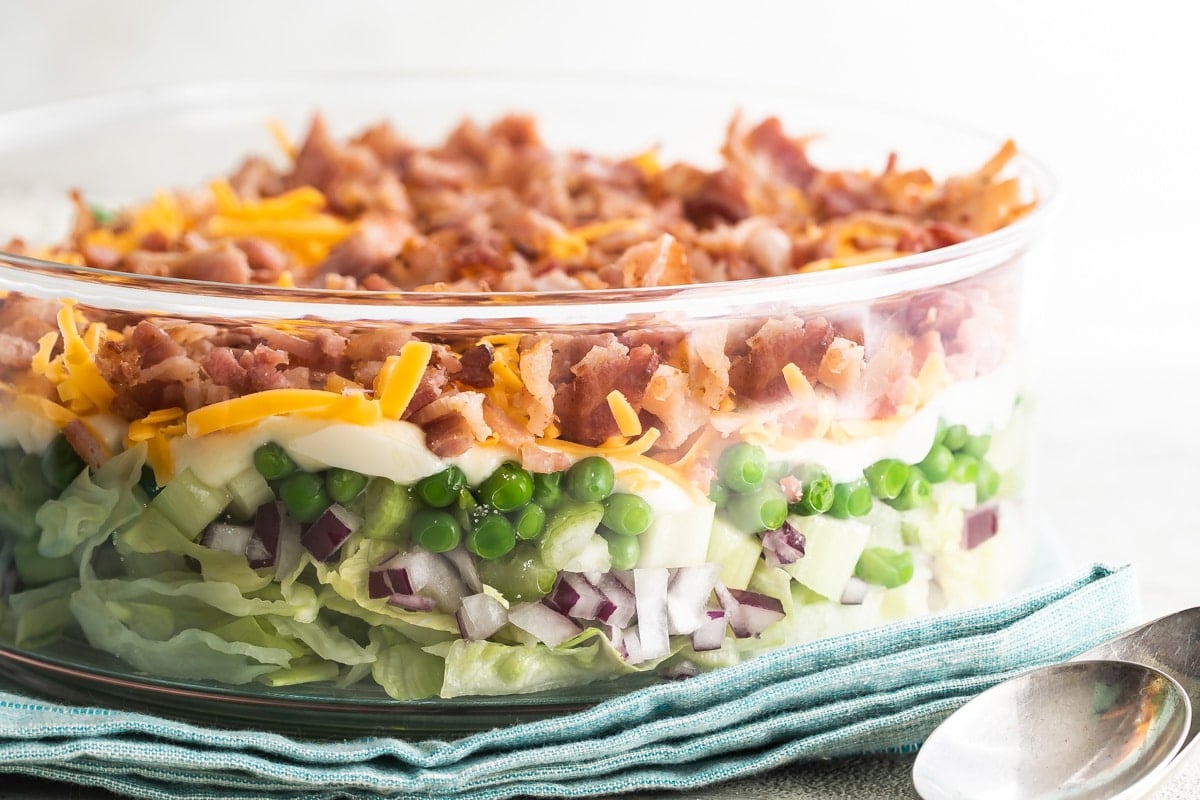
- Seven Layer Salad Recipe20 Minutes
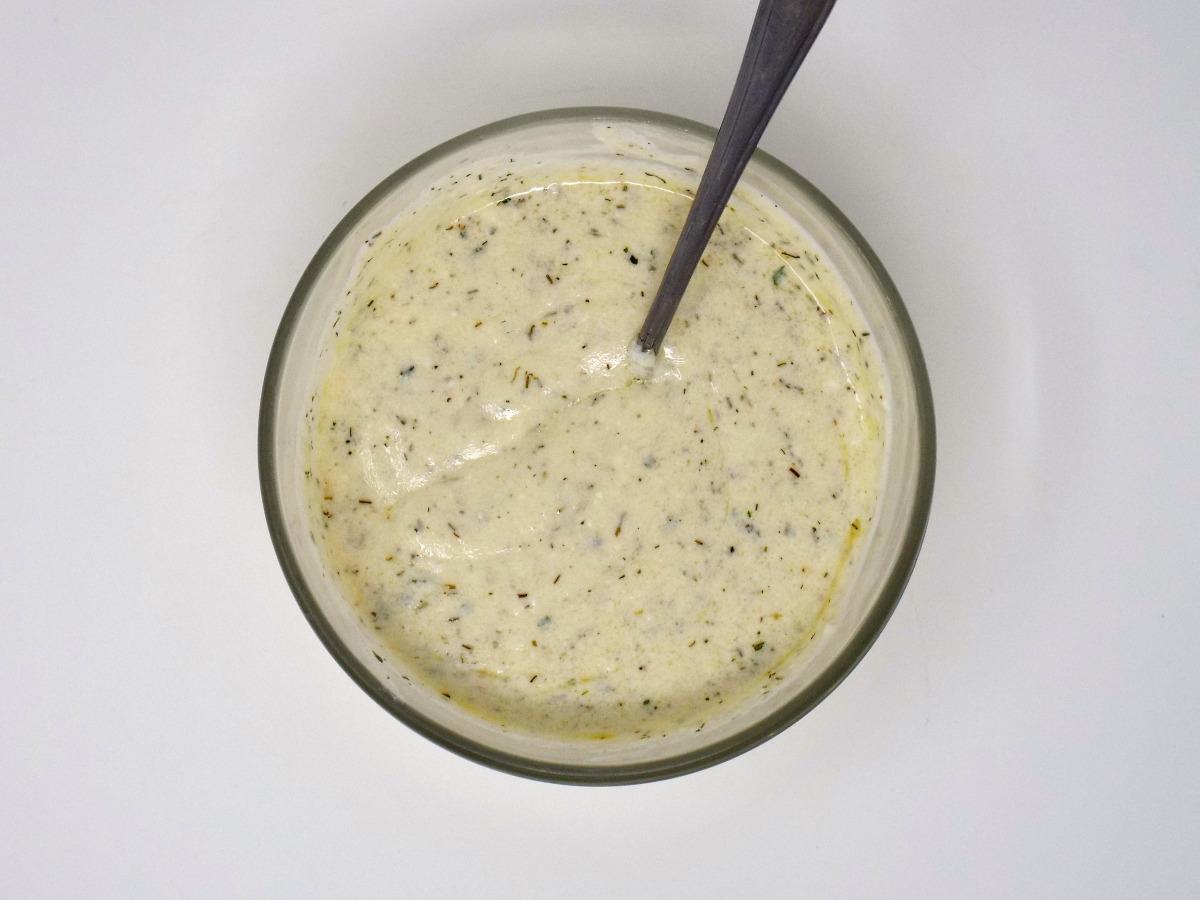
- Greek Yogurt Ranch Dressing Recipe10 Minutes
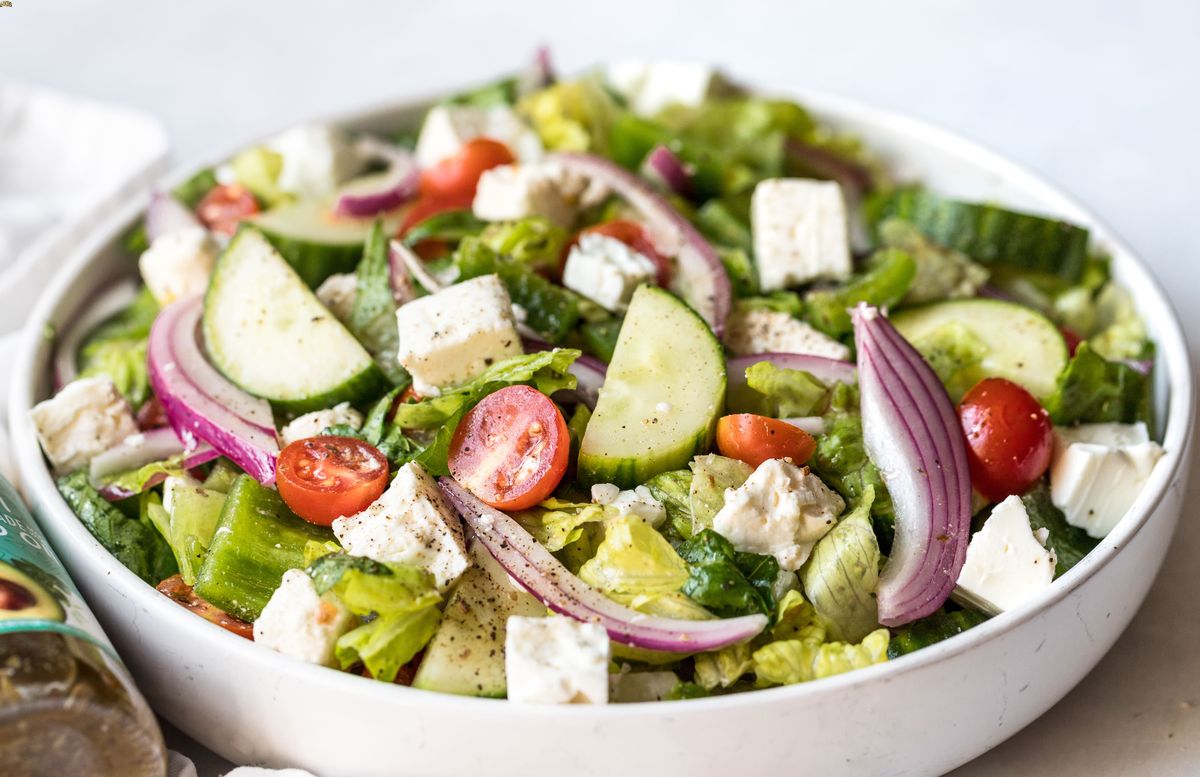
- Greek Salad Recipe15 Minutes
- Pigs in a Blanket Recipe25 Minutes
- Turkey Wraps Recipe10 Minutes
- White Castle Hamburger Recipe20 Minutes
- Black Bean and Corn Salad Recipe15 Minutes
- Liver and Onions Recipe30 Minutes



Leave a Reply