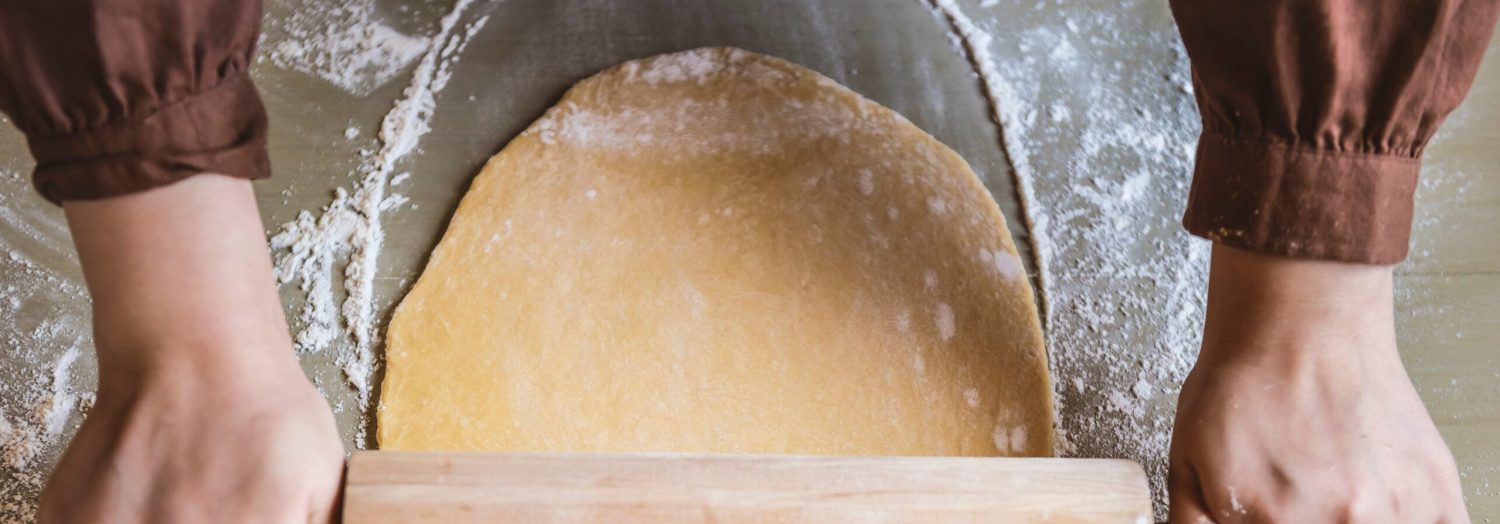
Pesto sauce is a versatile and flavorful addition to many dishes, from pasta to sandwiches. This classic Italian sauce combines fresh basil leaves, rich parmesan cheese, and aromatic garlic to create a vibrant and delicious condiment. Perfect for adding a burst of flavor to your meals, this pesto sauce is easy to make and can be stored for later use.
Some ingredients in this recipe might not be commonly found in every household. Pine nuts are a key component of traditional pesto, providing a rich and buttery flavor. If you can't find them, you can substitute with walnuts or almonds. Fresh basil leaves are essential for the authentic taste, so make sure to pick up a bunch from the produce section. Parmesan cheese should be freshly grated for the best texture and flavor.
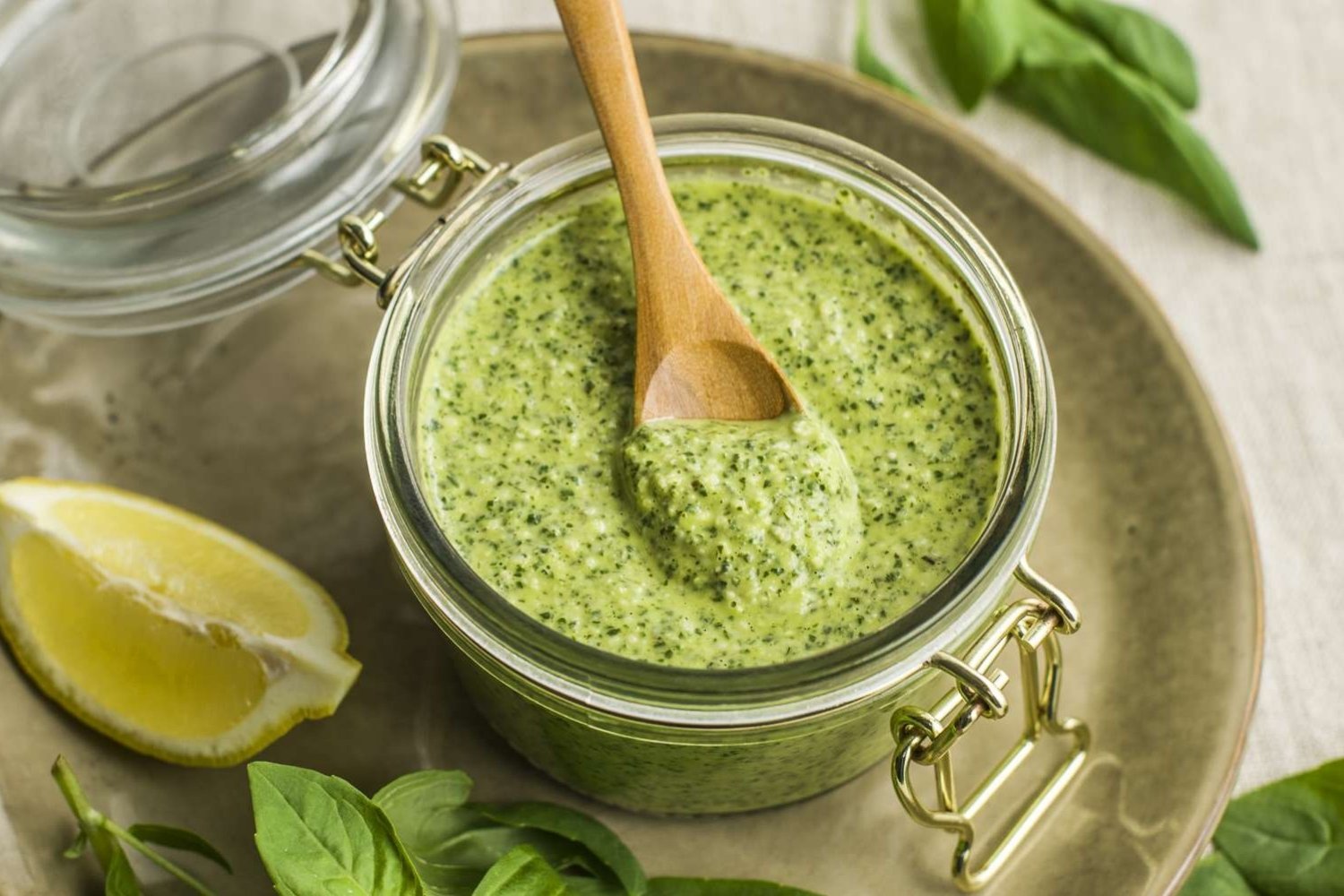
Ingredients for Pesto Sauce Recipe
Basil leaves: Fresh basil leaves are the star of the show, providing a fragrant and slightly peppery flavor.
Parmesan cheese: Grated parmesan cheese adds a rich, savory taste and creamy texture to the sauce.
Olive oil: Extra virgin olive oil helps to blend the ingredients together and adds a smooth, fruity flavor.
Pine nuts: These nuts give the pesto a rich, buttery taste and a bit of crunch.
Garlic: Minced garlic adds a pungent and aromatic kick to the sauce.
Salt: A pinch of salt enhances the flavors of the other ingredients.
Ground black pepper: Freshly ground black pepper adds a hint of spice and depth to the pesto.
Technique Tip for Perfect Pesto
To achieve a smoother texture in your pesto sauce, make sure to toast the pine nuts lightly before adding them to the food processor. Toasting enhances their flavor and adds a subtle depth to the sauce. Additionally, use the freshest basil leaves you can find to ensure a vibrant green color and robust flavor.
Suggested Side Dishes
Alternative Ingredients
fresh basil leaves - Substitute with spinach leaves: Spinach provides a similar texture and mild flavor, making it a good alternative for basil.
fresh basil leaves - Substitute with arugula: Arugula adds a peppery taste, giving the pesto a slightly different but pleasant flavor profile.
grated parmesan cheese - Substitute with pecorino romano: Pecorino Romano offers a sharper and saltier taste, which can enhance the overall flavor of the pesto.
grated parmesan cheese - Substitute with nutritional yeast: Nutritional yeast provides a cheesy flavor and is a great vegan alternative to parmesan.
extra virgin olive oil - Substitute with avocado oil: Avocado oil has a mild flavor and similar healthy fats, making it a suitable replacement for olive oil.
extra virgin olive oil - Substitute with canola oil: Canola oil is a neutral-tasting oil that can be used in place of olive oil, though it lacks the same depth of flavor.
pine nuts - Substitute with walnuts: Walnuts provide a similar texture and a slightly earthy flavor, making them a good alternative to pine nuts.
pine nuts - Substitute with almonds: Almonds offer a mild, nutty flavor and can be used as a cost-effective substitute for pine nuts.
minced garlic - Substitute with garlic powder: Garlic powder can be used in place of fresh garlic, though it will have a slightly different intensity and flavor.
minced garlic - Substitute with shallots: Shallots provide a milder, sweeter flavor compared to garlic, adding a different but pleasant taste to the pesto.
salt - Substitute with soy sauce: Soy sauce can add a salty and umami flavor, though it will also introduce a different taste profile to the pesto.
ground black pepper - Substitute with white pepper: White pepper provides a similar heat but with a slightly different flavor, making it a good alternative to black pepper.
Alternative Recipes Similar to Pesto
How to Store or Freeze Your Pesto
To keep your pesto sauce fresh, store it in an airtight container. This prevents air from oxidizing the basil leaves and keeps the vibrant green color intact.
For short-term storage, place the container in the refrigerator. The pesto will stay fresh for up to a week. Make sure to cover the surface with a thin layer of olive oil to further prevent oxidation.
If you want to enjoy your pesto sauce for a longer period, freezing is the way to go. Use an ice cube tray to portion out the pesto. This makes it easy to thaw just the right amount when needed.
Once the pesto cubes are frozen solid, transfer them to a resealable plastic bag or an airtight container. Label the container with the date to keep track of its freshness.
When you're ready to use the frozen pesto, simply take out the desired number of cubes and let them thaw in the refrigerator or at room temperature. You can also add the frozen cubes directly to hot pasta or soups for a quick infusion of flavor.
To maintain the best quality, use frozen pesto within 3 to 4 months. While it will still be safe to eat after this period, the flavor and color may start to degrade.
If you find your pesto has thickened too much after freezing, stir in a little extra olive oil or lemon juice to restore its original consistency.
How to Reheat Leftovers
Stovetop Method:
- Place a small saucepan over low heat.
- Add the pesto sauce and stir continuously.
- If the sauce appears too thick, add a splash of olive oil or a bit of pasta water to thin it out.
- Heat until just warmed through, being careful not to overheat as this can cause the basil to lose its vibrant color and fresh flavor.
Microwave Method:
- Transfer the pesto sauce to a microwave-safe bowl.
- Cover the bowl with a microwave-safe lid or a damp paper towel to prevent splattering.
- Heat on medium power in 15-second intervals, stirring in between each interval.
- Continue until the sauce is warmed through, adding a bit of olive oil if needed to maintain the desired consistency.
Double Boiler Method:
- Fill a pot with a couple of inches of water and bring to a simmer.
- Place a heatproof bowl over the pot, ensuring the bottom of the bowl does not touch the water.
- Add the pesto sauce to the bowl and stir occasionally.
- Heat gently until the sauce is warmed through, adding a splash of olive oil if necessary to keep the sauce smooth.
Room Temperature Method:
- Remove the pesto sauce from the refrigerator.
- Allow it to sit at room temperature for about 30 minutes to an hour.
- Stir well before serving to ensure even consistency.
Oven Method:
- Preheat your oven to 200°F (93°C).
- Place the pesto sauce in an oven-safe dish and cover with aluminum foil.
- Heat in the oven for about 10-15 minutes, stirring halfway through.
- Add a bit of olive oil if the sauce seems too thick.
Best Tools for Making Pesto
Food processor: Essential for finely chopping and blending the basil leaves, pine nuts, and garlic to create a smooth pesto sauce.
Rubber spatula: Useful for scraping down the sides of the food processor to ensure all ingredients are evenly mixed.
Measuring cups: Necessary for accurately measuring the basil leaves, parmesan cheese, and olive oil.
Measuring spoons: Important for measuring the salt and pepper precisely.
Knife: Needed for mincing the garlic cloves before adding them to the food processor.
Cutting board: Provides a stable surface for mincing the garlic and preparing other ingredients.
Mixing bowl: Used to transfer and store the pesto sauce once it is prepared.
Plastic wrap: Helps cover the mixing bowl to keep the pesto sauce fresh until ready to use.
How to Save Time on Making Pesto
Pre-measure ingredients: Measure out basil leaves, parmesan cheese, olive oil, pine nuts, and garlic before starting to streamline the process.
Use pre-minced garlic: Save time by using pre-minced garlic instead of mincing fresh cloves.
Toast pine nuts in bulk: Toast a large batch of pine nuts and store them for future use.
Batch process: Make a larger batch of pesto sauce and freeze portions for later use.
Food processor efficiency: Ensure your food processor is clean and ready to go before starting.
Pesto Sauce Recipe
Ingredients
Main Ingredients
- 2 cups Fresh Basil Leaves
- ½ cup Grated Parmesan Cheese
- ½ cup Extra Virgin Olive Oil
- ⅓ cup Pine Nuts
- 3 cloves Garlic minced
- ¼ teaspoon Salt
- ¼ teaspoon Black Pepper ground
Instructions
- Combine basil leaves, pine nuts, and garlic in a food processor and pulse until coarsely chopped.
- Add Parmesan cheese and pulse a few times more.
- Slowly add the olive oil in a constant stream while the food processor is on. Stop to scrape down the sides of the food processor with a rubber spatula.
- Add salt and pepper to taste.
- Transfer the pesto sauce to a bowl and cover with plastic wrap until ready to use.
Nutritional Value
Keywords
More Amazing Recipes to Try 🙂
- Oven Fried Chicken Recipe1 Hours
- Pink Lemonade Recipe10 Minutes
- Manicotti Recipe1 Hours
- Curried Egg Sandwiches Recipe20 Minutes
- Ramen Noodle Soup Recipe30 Minutes
- Air Fryer Potato Wedges Recipe30 Minutes
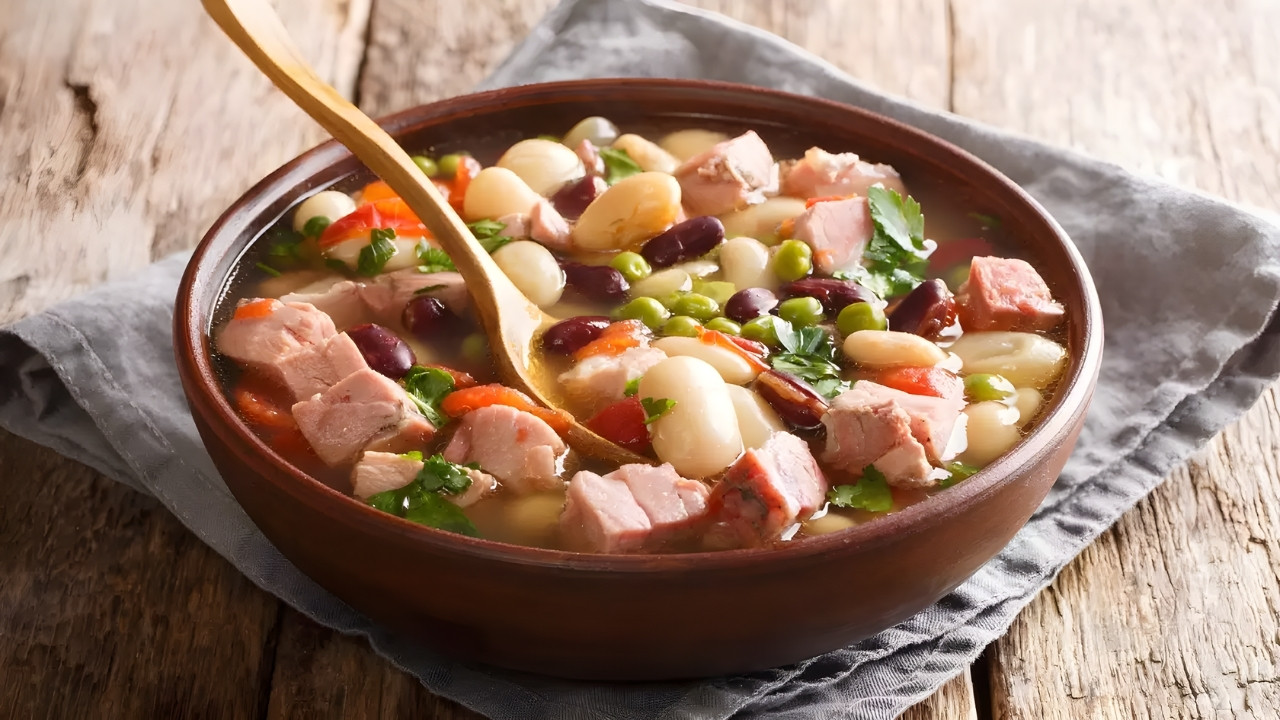
- Slow Cooker Ham and Bean Soup Recipe8 Hours 15 Minutes
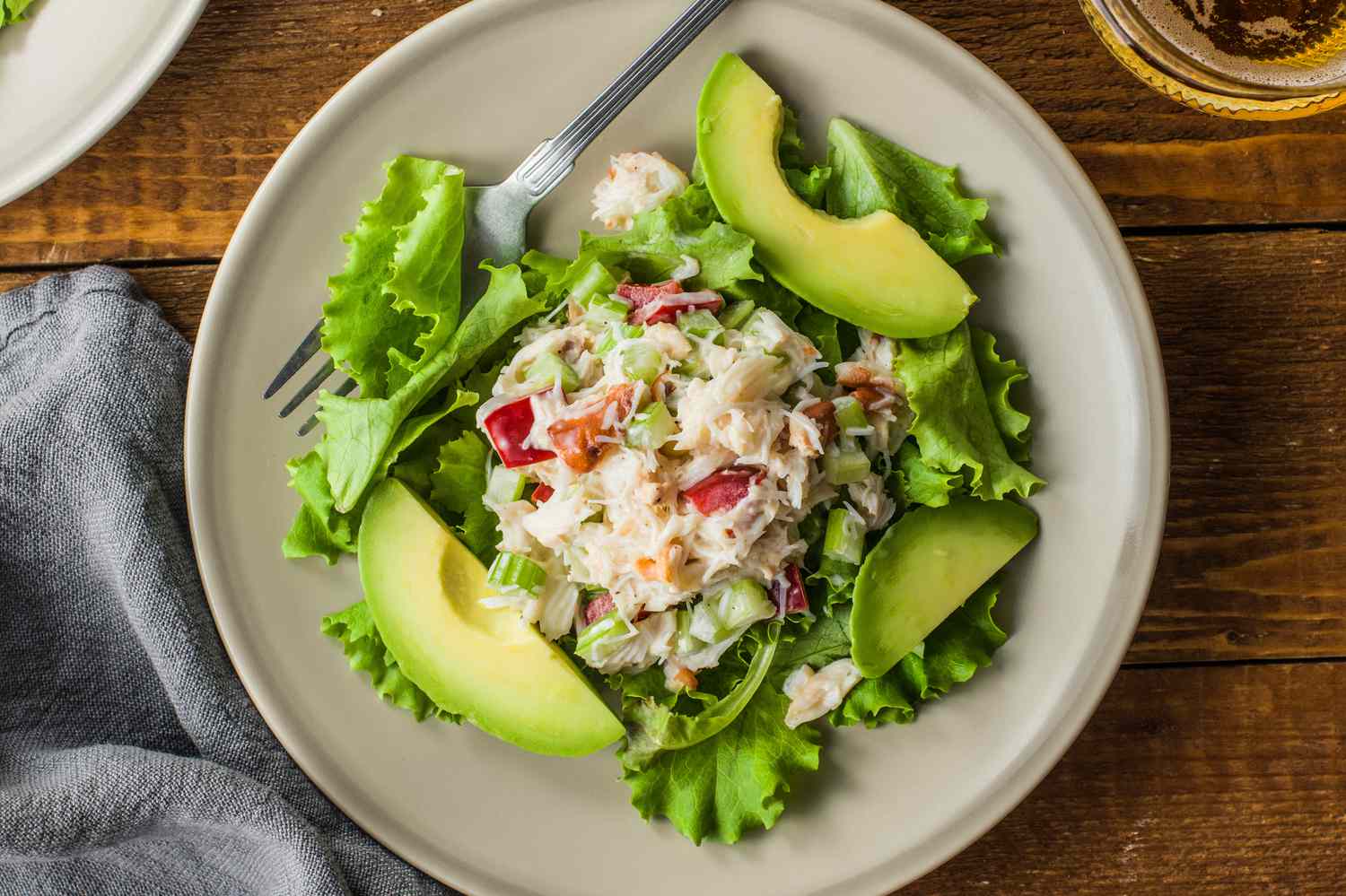
- Crab Salad Recipe15 Minutes




Leave a Reply